











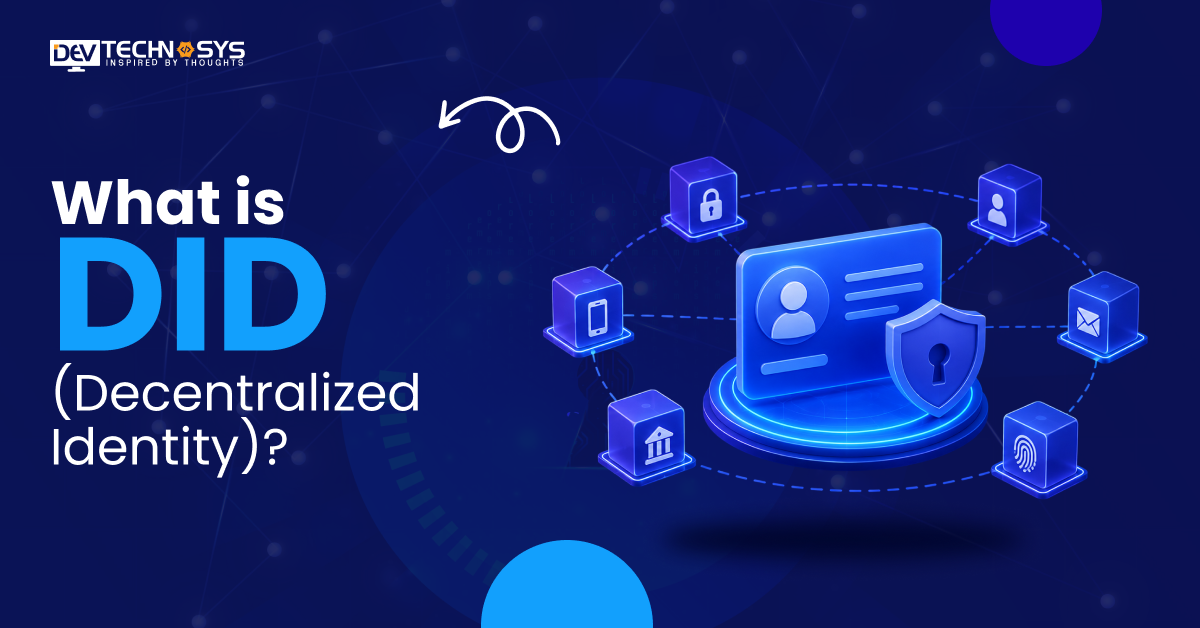
DID (Decentralized Identity) is an innovative method for managing secure digital identity without being bound to the control of any one organization. The way that DID works is that instead of keeping all individual and private information on a centralized server , each user owns identity data and has complete control over how that information is stored and shared through the use of blockchain and cryptographic technology.
With DID, individuals can securely share only the specific information that they authorize to be shared with others, while ensuring the privacy, security, and integrity of their information when doing so online.
The uses of a DID can span a wide variety of online activities, including logging into websites, verifying your identity for credentialing purposes, making digital payments, and accessing online services.
As the internet transitions to Web 3 and the use of decentralized systems becomes prevalent, the need for DID as a means of creating a safer, more secure, and user-controlled digital ecosystem becomes more prevalent as well.
What is Decentralized Identity (DID)?
This part will break down what “DID” means in plain, easy-to-understand terms: a way to identify yourself via an account that you control, rather than having to rely on large companies like Google and Facebook, etc. DIDs are created using Blockchain & Cryptography, so users will have secure access to their accounts. Another term associated with a DID is “Self Sovereign Identity” (SSI Identity), which means you have 100% ownership and control over your identity data.
“Official GitHub repository containing DID specifications, technical documentation, implementation examples, and updates from the W3C community. “
Source: W3C DID GitHub Repository
Why Do We Need DID?
DIDs are a form of digital identity where individuals own their own identities. This decentralization reduces the requirement to rely on central authorities as much as possible for the provision of security, privacy, and trust for the user and their data when interacting online.
1. Rising Data Breaches
Today, many digital systems store most of their users in the same centralized database, also known as a centralized database. This centralized database is often a target for many hackers. When a company experiences a data breach, the sensitive information stored in that central database may be exposed to millions of users.
2. Lack of Privacy Control
To date, users don’t have full control of their personal information in traditional identity systems. It is up to the company to determine how that data will be stored and collected. In addition, it is up to the company to decide whether that data will be shared with others and/or sold for the purposes of advertising.
3. Weak Password-Based Security
Most users rely on passwords to secure their online accounts. However, the majority of users create weak passwords or use the same password for multiple accounts. Because of this, passwords are vulnerable to being stolen through phishing attacks and data breaches and are, therefore, providing access to user accounts without user authorization.
4. Need for User Ownership
Decentralized Identity (DID) enables the user to have control instead of the company having control of the USER’S identity. Decentralized Identity allows the user to have control of their identity instead of relying on centralized databases to manage their identity.
How Traditional Digital Identity Works?
Current identity systems operate by users creating accounts on websites or applications, and their personal data is stored in centralized databases. Generally, examples of centralized identity systems include social media logins (like Facebook), email accounts, and online bank accounts.
Currently, the problem with centralized identity systems includes:
- Data can be hacked/leaked
- Loss of control over personal data by the user
- Password-based systems are not secure
- Companies have control over tracking user activity
How Decentralized Identity Works?
Multiple critical elements combine with one another to provide the user with the security mechanism required to supply proof of their identity within a decentralized identity DID ecosystem.
1. Did Identifier
A DID decentralized identity platform is a type of digital identifier that provides a persistent and unique way to identify a subject in a persistent and unique way. Like a User Name, the subject will own their digital identity (DID) and not provide ownership rights to any company.
2. Digital Wallet
The user’s digital wallet holds the user’s verifiable credentials. These can be held in multiple wallets, such as documents (ID, Certificate, License, etc.) that are used on a recurring basis.
3. Verifiable Credentials
Verifiable credentials are digital versions of real-world documents issued by trusted entities. These documents can include University Degrees, Passports, Employee Identification Cards, and Medical certificates.
4. Blockchain Technology
Blockchain technology provides a decentralized method for validating credentials and stores the proof of the credential without exposing any of the credentials’ private information.
Key Features of Decentralized Identity (DID)
1. User Control and Ownership
One of the main benefits of decentralized digital identity is that users have full ownership and control over their digital identities. In a traditional system, third parties hold and manage user data, which means that the user cannot manage their appointment credentials themselves.
2. Greater Privacy
DIDs enhance user privacy by allowing users to selectively share their information. Instead of disclosing their complete blockchain identity management, they will only share as much personal information as required. For example, a user can provide evidence of their age (+18) without sharing their entire date of birth or home address.
3. Stronger Security
DID systems use blockchain technology and cryptography for the protection of identity data. Identity data is not held in a single, centralized platform, making hacking and other data breaches less likely. Additionally, the use of cryptographic verification of identity makes it harder to commit identity fraud.
4. No Central Authority
Traditional identity solutions depend on a single centralized entity to administer the identity system. Decentralized identity management removes the need for Central Administration by using a Decentralised Network, where no single entity or authority administers the identity system.
5. Interoperability
As a form of digital identity, a DID can be used against multiple platforms, applications, and services. Users will no longer be required to create multiple user accounts for every website they use. One DID can use one identity for many websites/apps.
See what the OpenID Foundation Says about DID:
“Global standards body creating secure identity protocols, including OpenID and OpenID for Verifiable Credentials, supporting DID-based authentication systems.”
Benefits of Decentralized Identity (DID)
1. Greater Data Protection
With DID, users can exercise a higher level of control over the personal information they wish to share and, thus, reduce the privacy risks associated with centralized data storage.
2. Less Identity Fraud and Identity Theft
The cryptographic verification system and decentralized data storage of DID make creating false identities and unauthorized access to accounts much more difficult. This results in a reduction in identity fraud and cybercrime.
3. Increased Security
Cyberattacks frequently target centralized databases, which makes traditional forms of data storage vulnerable. Because DID does not rely on a central database, the potential threat of cybercrime is reduced. Additionally, blockchain technology is designed to provide secure, non-tamperable verification for all digital identity documents.
4. Instant Verification Process
Companies are able to conduct instant verifications of digital credentials without any manual paperwork or requiring third-party verification services. Therefore, within a very short period of time following application submission by a user, an organization can verify the credentials of that user and, thus, more quickly onboard the user.
5. Improved Customer Experience
With DID, users will no longer need to remember multiple passwords or repeatedly submit the same documents when using different companies/services. Thus, DID will create a seamless customer experience in the digital world.
6. Reduce Operational Expenses
Organizations and enterprises can minimize their expenses associated with identity verification, document management, and cybersecurity through the use of decentralized identity solutions.
7. Enables Web3 and Decentralized Apps
Decentralized Digital Identities are an important element of the Web3 identity solutions ecosystem. With Decentralized Digital Identity, businesses can manage identities within Decentralized Finance (DeFi), blockchain gaming, the metaverse, and decentralized application (dApp) environments.
8. Trust and Transparency Growth
Decentralized Digital Identities (DIDs) allow individuals to securely prove their identity without the need for centralized third parties. Since credentials can be verified and cannot be altered, DIDs promote enhanced trust between individuals, businesses, and organizations.
What are the Challenges of Decentralized Identity?
1. Lack of Knowledge
The main barrier to the adoption of Decentralized Identity (DID) is that many people do not know what it is. It is a new technology, and many consumers and even enterprises are unsure of how it will work for them.
2. Technical Requirements
DID systems use advanced technologies such as blockchain, cryptography, and digital wallets. For consumers, managing keys, wallets, and credentials can be very difficult to do, which causes delays in adoption.
3. Regulatory Issues
Countries have various laws governing data protection and digital identities. As DID is decentralized, this makes it difficult for governments to regulate and manage its use internationally.
Real-World Decentralized Identity Use Cases
1. Finance & Banking
Decentralized identity for finance can utilize DID as a KYC (Know Your Customer) verification tool while maintaining customer privacy. Customers can verify their credentials by sharing their verified identity. They will not need to supply various sensitive documents multiple times.
2. Education
When universities issue digital degrees and certificates, employers can verify the legitimacy of these documents in real-time, thus decreasing the risk of document verification fraud and speeding up hiring processes.
3. Healthcare
Decentralized identity for healthcare allows patients to manage and share medical records securely and confidentially with their hospitals and/or physicians while maintaining control over their data.
4. Web3/Metaverse
DID enables users to maintain one identity across multiple web applications and virtual environments by using their blockchain wallet and using that same identity to log in from multiple locations.
DID vs Traditional Identity Systems
| Feature | Traditional Identity | Decentralized Identity (DID) |
| Control | Company-owned | User-owned |
| Data Storage | Centralized servers | Decentralized wallets/networks |
| Privacy | Limited | High |
| Security | Vulnerable to hacks | Cryptographically secure |
| Authentication | Password-based | Wallet/Key-based |
| Data Sharing | Full information shared | Selective sharing |
| Interoperability | Multiple accounts needed | One identity across platforms |
| Trust Model | Depends on the central authority | Decentralized verification |
Future Trends of Decentralized Identity
1. Rise of Passwordless Authentication
As Decentralized Identity (DID) technology advances, passwords may soon be a thing of the past. The way we’ll authenticate ourselves to the digital world will change from needing to memorize complex passwords to using digital wallets, biometrics, and cryptographic keys. By removing these annoying barriers, we will have a much faster, safer, and more secure way of accessing things online.
2. Integration with Web3 and Metaverse
DID technology will play an increasingly important role in how users interact with Web3 applications, blockchain platforms, and the metaverse. With DID technology, each user will have one digital identity that can be used across all types of decentralized applications, virtual worlds, and blockchain-based services.
3. Adoption by Governments and Enterprises
DID technology will also be adopted by large organizations and government entities for services such as providing digital IDs, managing health information, and verifying financial transactions. The use of DID technology will result in greater efficiency, less paperwork, and more security.
Conclusion
A Decentralized Identity (DIDs) is changing how digital identities are created, stored, and processed by removing control of user information from central authorities. Users can now own, manage, and protect their information by using DIDs on a decentralized blockchain using cryptographic techniques for personalizing the way they want to share their information with others.