








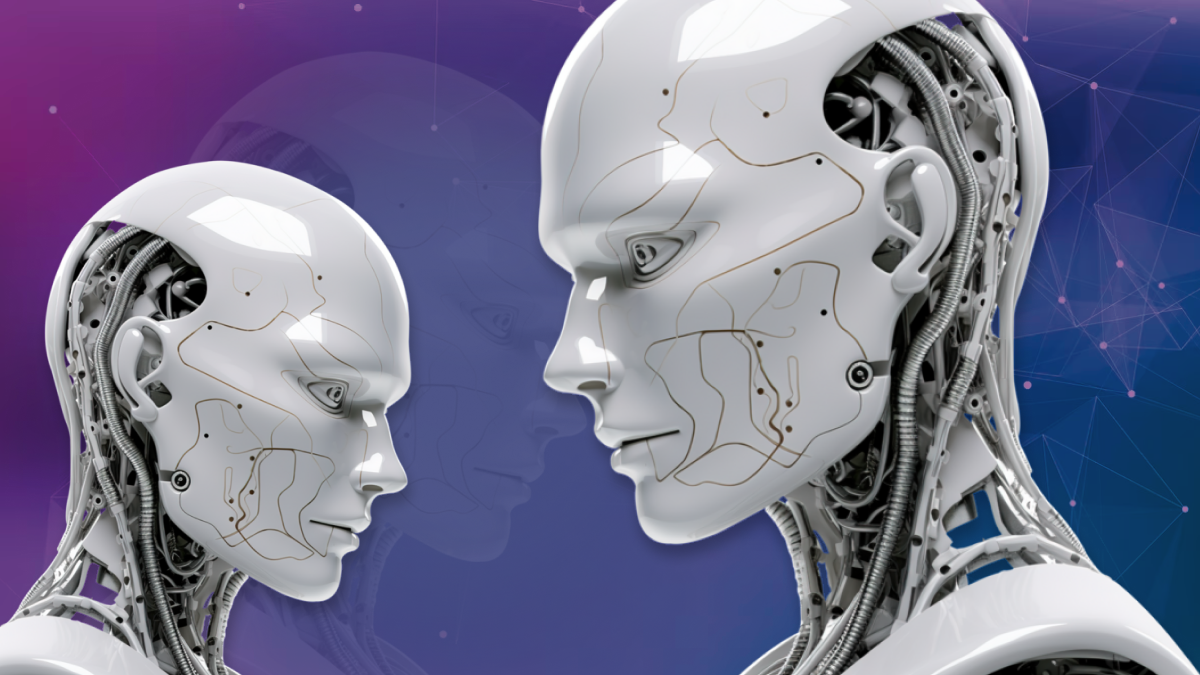
By 2025, the term’ digital twin’ has transformed from mere popularity to being regarded as an unprecedented phenomenon throughout industries. A digital twin encompasses a virtual representation of a particular object, system, or process that is kept up to date with real-time information and can be replicated infinitely without any alterations.
The use of this remarkable technology allows simulation, monitoring, and optimization at levels never before achieved, bringing together the virtual and real worlds.
Today, businesses leverage digital twins for deeper innovation, design, and problem-solving, driving productivity and operational resilience.
In this blog, we will discuss ten of the industries most impacted by digital twin technology in 2025 and explore how they are shaping the future of work, life, and global interaction.
What is Digital Twin Technology?
A digital twin simulates a tangible object, system, or process. It captures its characteristics in real time, drawing information from diverse transducers. Digital twins in Industry 4.0 may serve as a forecasting tool, giving analytics and predicting outcomes while taking into consideration.
Why is Digital Twin Software So Important in Modern Industry?
Analytical models are widely used for automation as a management tool owing to the advancement in digital technology. Here are five benefits of digital twins in modern industry :
Enhanced Efficiency and Productivity: Digital twin technology makes it possible to maintain equipment proactively by monitoring its performance in real-time. This will help reduce downtime and save extra resources needed to increase productivity.
Improved Decision-Making: The ability to run simulations enables businesses using digital twins in Industry 4.0 to test and examine the impact of certain strategies and propositions on physical assets without incurring any costs.
Accelerated Innovation and Design: Testing and prototyping virtual twin builds are done in a computerized environment, which helps in the iteration of the cycle, thereby yielding improved designs alongside higher quality.
Predictive Maintenance and Reduced Downtime: Critical assets and their ailments are tracked at all times, anticipating default failure. This allows settling refurbishment with minimum system disturbance while operating within the premise of extending the equipment’s lifespan.
Enhanced Collaboration and Communication: A remarkable focus on business and organizational models is achieved through communications, understanding, and collaboration across stakeholders and teams through specialized geographical locations with the aid of digital twin trends that function as single, easy-to-reach systems.
How Digital Twins Are Revolutionizing 10 Powerful Industries in 2025
Digital transformation stands to redefine entire industries by 2025. In addition to utilizing AI simulations, operational efficiencies, user experiences, and innovations are predicted to leap as businesses and organizations begin to shift. The changes fueled by digital twin trends will be felt in ten renowned industries first.
1. Digital Twins in Healthcare: Personalized Treatment at Scale
The treatment floors of hospitals are bound to receive more powerful tools to assist doctors to digital twin technology. Using genetic analysis, imaging data, and wearable devices, hospitals can collect an astonishing amount of data, allowing them to create a dynamic digital twin of patients’ actual bodies.
Virtual replicas enable the testing of treatment impacts and assist in formulating practical, individualized care algorithms. To mitigate the healthcare burden of trial, industrial digital twins in healthcare help a cardiac patient test possible effects beforehand and simulate testing before consuming medications.
2. Digital Twins in Education: Smart Learning Environments
Educational institutions evolve with virtual replicas in the industry simultaneously and in parallel with the learner’s metamorphosis into an adaptive individual. Digital twins in education aids mark the twin learners’ cognitive responses to various levels of curriculum structure.
In 2025, virtual classmates are twins of students, and student’s academic progress is monitored and controlled individually. That’s when treating high dropout rates for disruption via adaptive learning stems from the very cradle of undressed barriers from the learner. As such, adaptive learning spurred by mergers aids universities.
3. Digital Twins in Travel: Predictive Passenger Experiences
Airlines and airports employ digital twins to simulate passenger journeys, including check-in and baggage claims. Digital twin integration with AI in the travel sector predicts bottlenecks and assuages boarding problems. Digital twins in travel are increasing the demand for them with refined maintenance schedules for aircraft.
As a result, delays decrease, resources are reallocated efficiently, and flying becomes a more seamless experience.
4. Digital Twins in Finance: Risk Management Redefined
Banks and fintech companies utilize digital twins of their clients and portfolios to run hypothetical workloads, anticipate economic changes, and detect suspicious activities like fraud. Digital twin integration with AI in finance helps simulate client actions, investment decisions, and possible market catastrophes.
Digital twins in finance allows institutions to take appropriate actions and improve compliance and security frameworks. Banks and Fintech companies utilize digital twins of their clients and portfolios to run hypothetical workloads, anticipating changes in the economy and even fraudulent activities.
5. Digital Twins in Real Estate: Smarter Building Management
Building management, like real estate as a whole, uses digital twins when managing smart buildings and urban infrastructure. These models monitor energy consumption, occupancy patterns, and maintenance scheduling. A digital twins in real estate of a skyscraper can execute fire drill simulations,
HVAC cost-benefit analyses, and even simulate tenant activity to reduce operational costs and improve safety.
6. Digital Twins in Supply Chain: Real-Time Logistics Optimization
Digital twins in the supply chain concerning logistics, IoT, and digital twins underpin real-time visibility. From raw material procurement to last-mile delivery, digital twins in supply chain offer simulation models that incorporate weather, geopolitical risks, and equipment performance.
Digital twins in smart factories enable companies to proactively adjust ship orders in real-time, predict other shortfalls, and streamline purchasing decision-making.
7. Digital Twins in Automotive: Virtual Prototypes and Predictive Maintenance
Automobile manufacturers increasingly adopt digital twins into their business operations for design, manufacturing, and post-sale services. Digital twin technology in the automotive industry performs simulations of the vehicle under different driving conditions long before a prototype hits the market.
Digital twins in automotive are also instrumental in issuing predictive maintenance alerts to motorists, enabling them to carry out repairs before breakdowns occur.
8. Digital Twins in Fantasy Sports: Real-Time Strategy and Fan Engagement
Fantasy sports platforms are utilizing digital twins in fantasy sports to transform the fan experience completely. Player industrial automation and digital twins model athlete performance using transverse live, historical, and biomechanical data.
This enables fans to simulate plays in real-time, strategize, and generate more precise forecasts for team performance, improving competition and entertainment.
9. Digital Twins in Retail: Hyper-Personalized Shopping
Retailers are adopting real-world applications of digital twins of consumers to simulate buying behavior and preferences. Digital twins in retail predict customer needs, enabling hyper-personalized marketing and inventory management. Virtual store layouts are tested with shopper twins to optimize flow, product placement, and sales conversions.
10. Digital Twins in Manufacturing: Zero-Downtime Production
Finally, use cases of digital twins in manufacturing mirror entire factory floors, from machines to workflows. Smart warehouse management systems use these simulations to detect inefficiencies, prevent equipment failure, and train employees in virtual environments. In 2025, industrial digital twins are making “zero downtime” not just a dream but a business reality.
The Bottom Line
Digital twins in 2025 aren’t just a nice-to-have — they are a fundamental part of how industries operate, innovate, and interact with the physical world. As AI models become more sophisticated and IoT devices more ubiquitous, these machine learning development replicas will continue to evolve, becoming more autonomous and predictive.
Whether you’re a patient, student, traveler, gamer, or entrepreneur, chances are that digital twin technology is working behind the scenes — improving your experience, informing decisions, and shaping the future.
One thing is certain: in a world increasingly defined by data and simulation, the twin you don’t see might just be your most powerful ally.