






UX is crucial for mobile apps because it directly impacts user satisfaction, engagement, and retention. A well-designed UX makes navigation intuitive, tasks efficient, and interactions enjoyable. Poor UX leads to frustration, bad reviews, and app abandonment. Good UX increases user loyalty and supports business goals through positive experiences and usability.
Mobile App UX Review
A mobile app user experience review evaluates a mobile app’s user experience by analyzing usability, design, navigation, and functionality. It identifies pain points, suggests improvements, and ensures the app is intuitive, engaging, and accessible. This review helps optimize user satisfaction, retention, app UX evaluation, and overall app performance across devices.


Mobile App UX Services
-
![Mobile App Development Consulting]()
User Research & Analysis
App UX analysis service involves studying the target audience through interviews, surveys, and behavioral data analysis. It helps identify user needs, preferences, pain points, and motivations. Understanding these insights guides the app’s design decisions, ensuring the final product meets real user expectations and improves engagement, satisfaction, and retention.
-
![Android App Development Services]()
Information Architecture Design
Information Architecture (IA) organizes and structures the app’s content and features logically. This service creates clear navigation paths, categorizes information, and defines menus or workflows. A well-planned IA helps users find what they need quickly and intuitively, reducing confusion and improving overall usability and app efficiency.
-
![IOS App Development Services]()
Wireframing & Prototyping
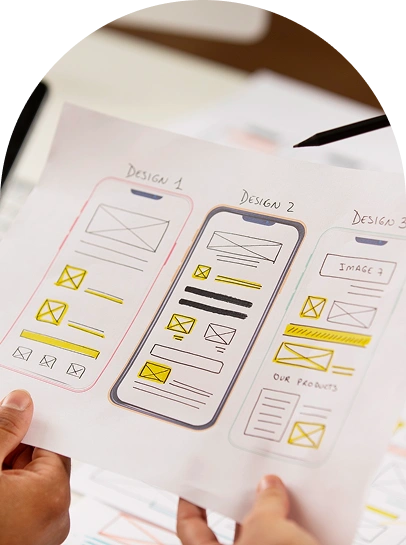
Wireframing creates basic, low-fidelity blueprints showing the app’s layout and structure without detailed design elements. Prototyping builds interactive, high-fidelity models that simulate user flow and functionality. These help stakeholders visualize the app early, test usability, and refine features before costly development begins.
-
![Website Development Services]()
Visual Design & Branding
Visual design focuses on creating the app’s look and feel, including color schemes, typography, icons, and overall aesthetics. This service ensures the app aligns with the brand’s identity, appeals to users, and provides a visually cohesive and engaging experience that enhances user trust and recognition.
-
![Software Product Development]()
Mobile UX Testing
Usability testing involves observing real users interacting with the app prototype or live version. It identifies obstacles, confusing elements, or frustrating flows. Feedback gathered helps refine the design, making the app easier to use, improving satisfaction, and reducing user errors before launch.
-
![Maintenance and Support Services]()
Interaction Design
Interaction design creates the dynamic behaviors within the app,how users tap, swipe, scroll, and receive feedback. This service focuses on smooth transitions, responsive animations, and intuitive gestures that make the app feel natural and enjoyable, increasing engagement and guiding users effortlessly through tasks.



Want to Know How Users Really Experience Your App?
Our Framework for Reviewing UX
We offer the best frameworks that thoroughly review the UX, allowing you to easily understand the UX review. These frameworks enable us to make the outcome of the review measurable. So, let’s explore the various frameworks:
-
Usability
Visual design is one of the most important aspects of any product or application; we analyze the layout, color, hierarchy, consistency, and typography. The visual design makes a significant first impression on users, and it must be both attractive and functional. Poor visual designs, such as mismatched styles and clutter, lead to a poor user experience.
-
Visual Design
Visual design is one of the most important aspects of any product or application; we analyze the layout, color, hierarchy, consistency, and typography. The visual design makes a significant first impression on users, and it must be both attractive and functional. Poor visual designs, such as mismatched styles and clutter, lead to a poor user experience.
-
Accessibility
Accessibility means that users can easily access all the product's functionalities and services. We observe keyboard navigation, contrast, screen reader compatibility, and more. The good design supports visual, motor, and auditory impairments to reach a wider audience. This can improve both usability and social responsibility.
-
Interaction Design
Interaction design covers how users engage with elements and flows. We examine feedback, affordances, transitions, and responsiveness. Clear cues and consistent behavior create predictability and satisfaction. Every click, tap, or scroll should feel purposeful and smooth. Misleading interactions, delays, or missing feedback reduce confidence.
Frequently Asked Questions
A UX review involves several key steps: define objectives, gather user data, conduct heuristic evaluation, analyze user flows, identify pain points, and prioritize issues. Then, create actionable recommendations for improvement. This process ensures the UX design review for apps aligns with user needs, improves usability, and enhances overall experience across all touchpoints of the app.
Tools that help in mobile UX reviews include Figma and Adobe XD for design inspection, Hotjar and FullStory for behavior tracking, Maze and Lookback for usability testing, and Google Analytics for user data. Device emulators and real-device testing platforms like BrowserStack also aid in identifying experience issues across devices.
A UX review should be conducted by experienced UX designers or researchers, ideally with input from product managers, developers, and stakeholders. Cross-functional collaboration ensures diverse perspectives. While experts lead the process, involving the broader team helps uncover blind spots and align UX improvements with business goals and technical feasibility.
Common mobile UX issues include small touch targets, confusing navigation, slow loading times, unclear onboarding, inconsistent gestures, and intrusive permission requests. These problems frustrate users, cause errors, and increase abandonment rates. Addressing them improves usability, accessibility, and overall satisfaction, leading to better engagement and retention on mobile apps.