












“Wasting food is like stealing from the table of those who are poor and hungry.” – Pope Francis.
Quick Summary: Do you have a restaurant or hotel and want to develop an app like Too Good To Go? If yes, then you have reached the correct place. This blog post will cover everything from steps, key features, costs, best alternatives and so on.
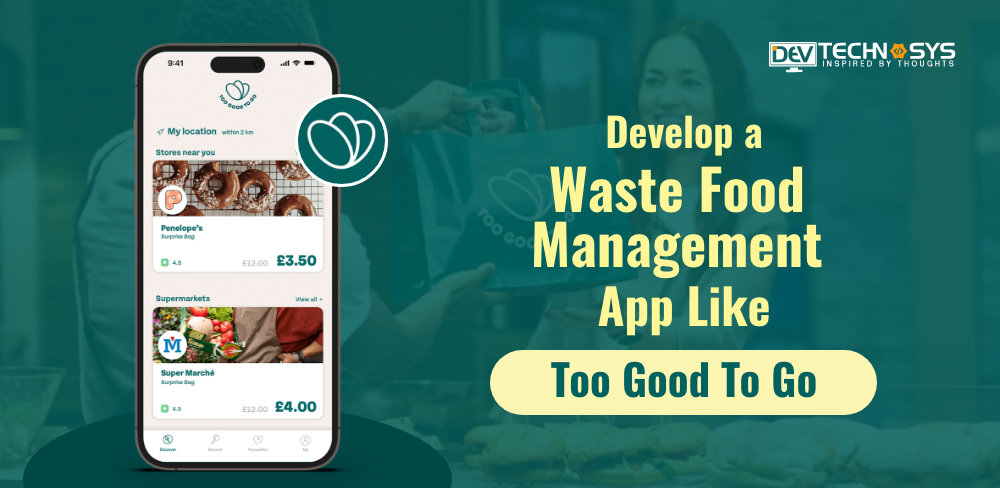
Food waste is a global crisis, wasting resources and filling landfills. But what if you could be part of the solution, enjoying delicious meals at bargain prices while saving the planet? An app like Too Good To Go has shown the power of connecting businesses with surplus food to eco-conscious consumers. But how do you develop an app like Too Good To Go in this competitive world?
With a market valuation of $69.8 billion in 2022, the worldwide food waste management industry is projected to increase at an average CAGR of 5.4% between 2023 and 2030. Is this data enough to convince you to build an app like Too Good To Go? This data depicts the strong evidence of an expanding food waste management industry in the coming future.
Developing your own waste food management app is an opportunity to earn real money. To get an in-depth detail about creating an app like Too Good To Go, read this blog till the end.
So, let’s begin.
What is Too Good To Go App?
Too Good To Go is a waste food management app that enables users to search unsold food in nearby shops and restaurants. The unsold food stuff is packed in magic bags, which typically hold 1KG of food. Users may buy them at lower prices and help reduce food waste. Within the app, you may place an order for a discounted surprise bag put together by those stores.
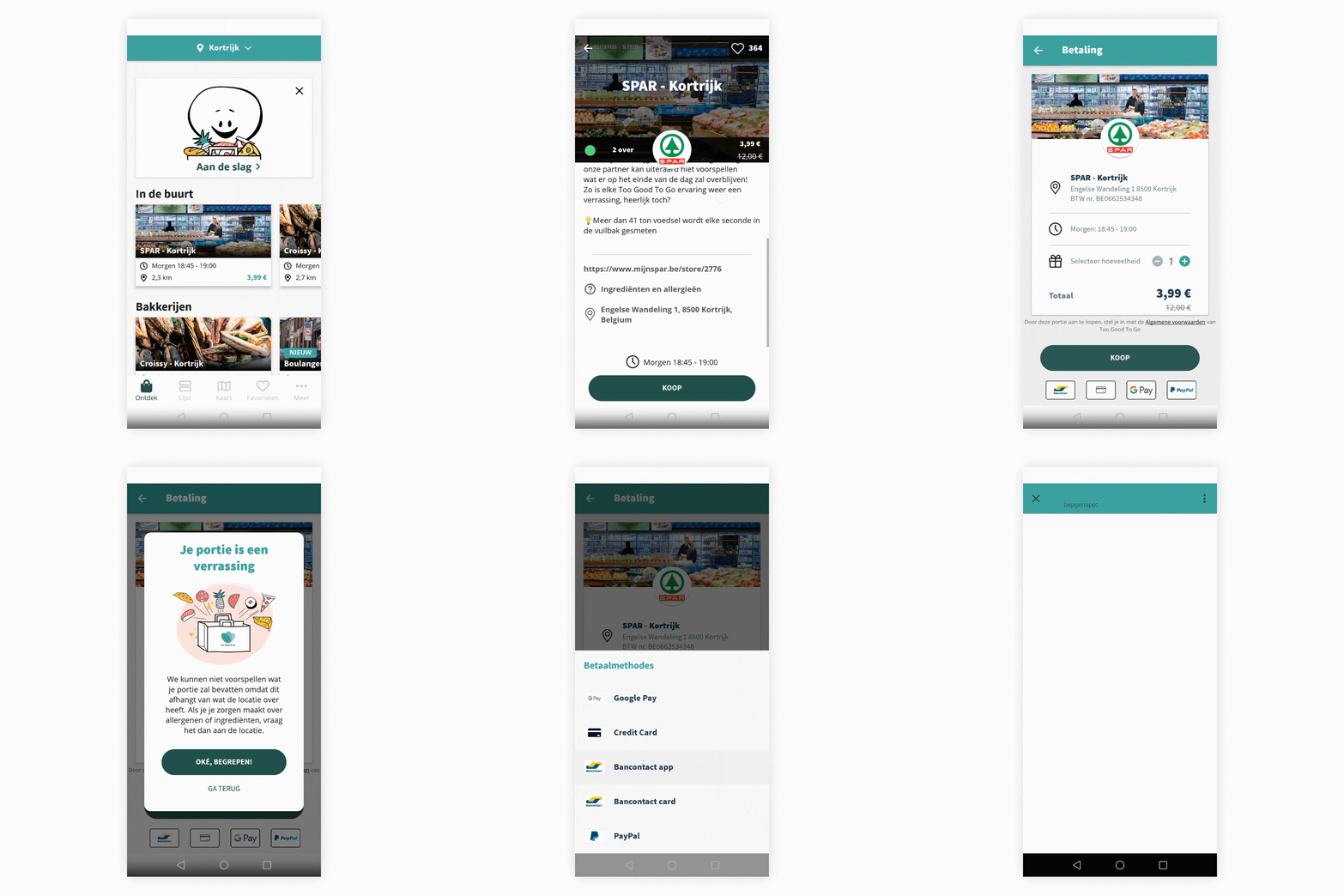
Additionally, it’s a great way for restaurants and other food service providers to make some extra money by selling the extra food they don’t need. Some of the popular waste food management apps are Olio, Kitche, NoWaste etc. So, if you are planning to develop an app like Too Good To Go, then you must consult with a mobile app development services provider with the latest technology.
Success Story: Too Good To Go
- The Too Good To Go application was launched in 2015 in Denmark by Thomas Bjørn Momsen and Klaus Bagge Pedersen.
- The app mainly focused on reducing food wastage by connecting with surplus food businesses.
- It quickly expanded their business to Europe and gained huge popularity because of its simplicity.
- The Too Good To Go application raised €30 million in 2021 from investors such as AP Moller and Blisce to provide global expansion.
- In 2024, the application saved 200 million meals, reduced CO₂ emissions, and generated awareness of the environmental issues.
- It surpassed 90 million registered users worldwide and is one of the largest communities for reducing food wastage.
Market Stats of Food Waste Management Industry
As you know the AI in food industry continues to grow, integrating AI into food waste management apps. It can contribute significantly to more sustainable and efficient practices. Let’s now look at the market stats to get a more clear image of the food waste management industry.
- The global market of the food waste management industry is valued at around $69.8 billion in 2022, and this is expected to increase to around $106.7 billion by the end of 2030.
- According to source-wise, the residential source segment holds the highest revenue share of food waste management apps, around 44.2% in 2024.
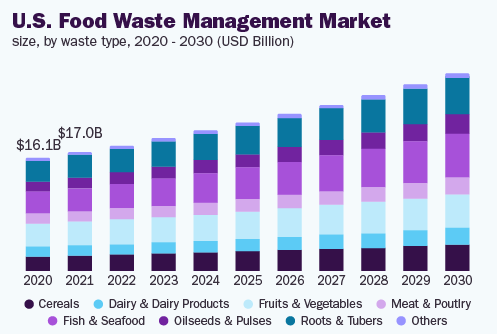
- As we look at waste type, the fruit and vegetable segment dominates the total revenue share, around 20.3% in 2023.
- In research, the Asia-Pacific region is expected to increase its growth in the food waste management app at a CAGR of 5.9%.
The above market stats demonstrates that the food waste management industry is rapidly growing and facilitating many opportunities for entrepreneurs. So, if you are looking to invest in a food waste management app for a good cause, then you must know how fast you can develop an app like Too Good To Go for your restaurant business.
How Does An App Like Too Good To Go Work?
Do you want to know the working mechanism of a waste food management app like Too Good To Go? No worries! As per Android app development company, below is the process through which users can operate the app. Let’s have a look:
1. Download and Sign Up
2. Find Nearby Stores
3. Choose a Meal
4. Purchase and Pay
5. Pick Up Your Food
6. Enjoy Your Meal
Now let’s discuss these points in detail.
1. Download and Sign Up
Users first start by downloading the Too Good To Go app from the app store. Once installed, they will sign up for an account using their email or social media login.
2. Find Nearby Stores
After signing in, the app will use their location to show the nearby stores and restaurants participating in the program. Users can browse through them to see what’s available.
3. Choose a Meal
Once they find a store or restaurant, browse through their available meals or food items. Each listing will show users what’s on offer and the price.
4. Purchase and Pay
When a user finds something they want, simply select it and proceed to checkout. They’ll pay for their purchase directly through the app using a credit or debit card.
5. Pick Up Your Food
After completing their purchase, the app will provide them with instructions on when and where to pick up their food. Be sure to follow these instructions closely.
6. Enjoy Your Meal
Once they’ve picked up their food, it’s time to enjoy it! Whether it’s a delicious meal or some tasty pastries, they can feel good knowing they’ve helped reduce food waste.
Read More: Waste Management Software Development
Why Businesses are Investing in Food Waste Management App Development?
Investing in Too Good To Go clone app development is a massive opportunity for entrepreneurs to expand their business globally and attract users with their unique features. So, let’s take a look at the various benefits of food waste management applications:
- Reduce Extra Costs
- Data-Driven Insights
- Competitive Advantage
- Revenue Opportunities
- Inventory Optimization
1. Reduce Extra Costs
Food wastage is increasing day by day in restaurants and other startups. With the help of a food waste management app, they can track their inventory in real-time, manage expiry dates, predict ongoing demands, and more.
This can reduce the spoilage and over-purchasing of food. It can lead to a profitable opportunity and reduce extra food wastage, resulting in financial return.
2. Data-Driven Insights
The food waste reduction apps observe the users’ valuable data that helps businesses identify new areas for improvement. It includes demographics, preferences, waste trends, food usage, customer behaviour, habits, purchasing patterns, and more. Businesses can offer them personalized recommendations, and this can also increase the users’ engagement and enhance their experience.
3. Competitive Advantage
The early adoption of food waste management technology can enable businesses to gain a competitive advantage over global competitors. It also offers unique features such as AI-based expiry dates, surplus resale marketplace, real-time inventory tracking, automated compliance reporting, and more. With these functionalities, it directly impacts the customer user base and increases their overall engagement.
4. Revenue Opportunities
Some apps like Too Good To Go, partner with restaurants and third-party surplus food platforms and sell them leftover food at discount rates. This can generate new revenue streams and also profitable opportunities for third-party food platforms. It includes many revenue stream opportunities such as partnerships or collaborations, direct resale, tax-deductible donations, and more.
5. Inventory Optimization
The Too Good To Go alternatives allow businesses to monitor inventory in real-time and reduce overstocking. It sends alert messages to the team when the expiry date is near; these tools can minimize food waste. With the help of inventory alerts, businesses can maintain fresh stock and reduce the extra cost, and improve the supply chain.
How To Develop a Food Management App Like Too Good To Go?
Do you want to develop an app like Too Good To Go? Well, creating a waste food management app can be challenging if you have no experience in mobile app development.
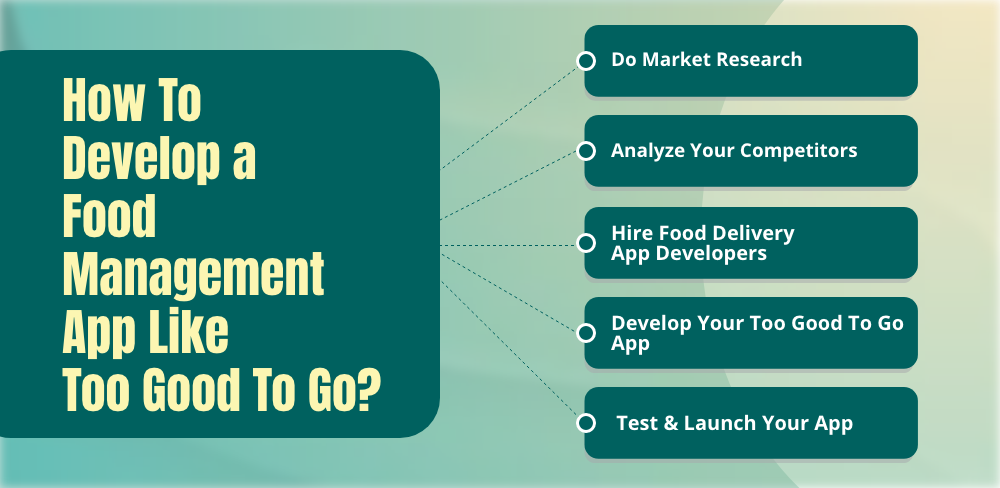
However, a reputed mobile app development company can assist in creating a waste food management app like Too Good To Go. But first let’s have a look at the step-by-step procedure.
- Do Market Research
- Analyze Your Competitors
- Hire Food Delivery App Developers
- Develop Your Too Good To Go App
- Test & Launch Your App
Let’s discuss the steps in detail.
1. Do Market Research
Firstly, you should commence the waste food management app development process by conducting market research and analysis. Knowing your potential audience and their pain points is also essential for a successful project.
SWOT analysis is the essential part of market research as it helps in preparing you to develop an app like Too Good To Go and creating marketing plans. Additionally, you should collect all the information. It will assist you in gaining an in-depth understanding of what you should do.
2. Analyze Your Competitors
Once you perform the market research, you must identify competitors in the same field so you can figure out where you fit in. Do some research on the various food waste management apps which include how they affect the problem, who their stakeholders are, what food waste management solutions they provide.
Whether they offer any innovative or distinctive ways to gain a competitive edge, etc. Additionally, you may look at the things that their app has to offer. Knowing their USP will help you stand out and make your app unique.
3. Hire Food Delivery App Developers
After you have successfully analyzed your competitors and their USP, it is time to hire food delivery app developers from a reputed food delivery app development company. It is vital to choose the perfect one for your waste food management project.
The development team you partner with will have significant effects on how effective your app is. So, it’s important to keep in mind that how well they perform on the project will be determined by their field of expertise and previous experience.
4. Develop Your Too Good To Go App
Once you hire a dedicated development team, let’s begin the process to develop an app like Too Good To Go. All the information you gathered above will be put together in order to create your own food ordering application for waste foods. You have two options: either you may choose a ready-made solution or bespoke development.
However, there are advantages to using a ready-made solution over custom creation like speed, ease of use, and cost savings. So, depending on your business requirements and budget, you can select a solution.
5. Test & Launch Your App
Now, the software testing services team will perform multiple testing to identify the app is bug-free. An app like Too Good To Go through testing also allows you to assess its feedback, bias or fairness, consistency, and efficacy.
Before launching your waste food app structures, you have to verify all of the results of your mobile app until it is error-free and perfect. Once your app is successfully tested, you can now launch your app on the app store.
But your work doesn’t stop here! Regular app maintenance is what makes your app successful and helps in user retention. So, you can avail mobile app maintenance services to update new features, security check, bug fixing and so on.

Features to Develop An App Like Too Good To Go
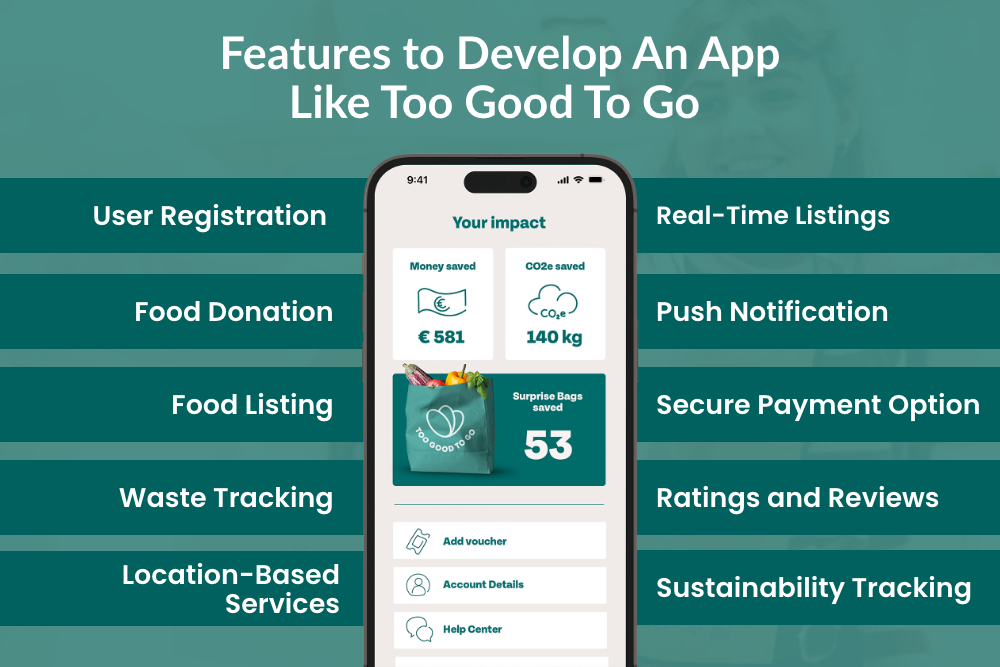
When creating a waste food management app like Too Good To Go, one thing that comes to mind is features. As per the iPhone app development company, below are the essential features that must be integrated when you develop an app like Too Good To Go.
1. User Registration
2. Food Donation
3. Food Listing
4. Waste Tracking
5. Location-Based Services
6. Real-Time Listings
7. Push Notification
8. Secure Payment Option
9. Ratings and Reviews
10. Sustainability Tracking
Now Let’s discuss all the features in detail.
1. User Registration
Firstly, when you develop an app like Too Good To Go, you must implement a seamless registration process where users can create profiles. It helps personalize the experience and allows users to track their impact on reducing food waste.
2. Food Donation
A mobile app may link local food banks or shelters with people, businesses, or grocery shops that donate food. Users may promote extra food and arrange pickups or drops.
3. Food Listing
Every app must include food for neighbors, NGOs, discount sales, and volunteers. Visits to donors without understanding what they contribute may waste time. It lets seekers know whether a donor is giving or offering appropriate food items.
4. Waste Tracking
Users can track the amount of food they waste over time, helping them identify patterns and make changes to reduce waste.
5. Location-Based Services
You should hire dedicated developers to integrate geolocation services to connect users with local businesses offering surplus food. It enables users to easily find nearby opportunities to rescue food items.
6. Real-Time Listings
Provide real-time listings of available surplus food from local restaurants, cafes, and grocery stores. Users should be able to browse and choose from a variety of food options, making the process engaging and dynamic.
7. Push Notification
Push notifications can alert users about new food listings, promotions, and updates, fostering active engagement. So, it is a must-have feature that must be integrated in your waste food management app.
8. Secure Payment Option
When you develop an app like Too Good To Go, it is vital to implement a payment gateway, a secure and user-friendly payment system to facilitate transactions. It ensures a smooth and reliable process for users to purchase surplus food at discounted prices.
9. Ratings and Reviews
Your leftover food app must allow users to rate and review both the to good to go app and the participating businesses. It builds trust and transparency within the community, encouraging responsible practices among food establishments.
10. Sustainability Tracking
With the assistance of mobile app developers, it is vital to integrate a feature that tracks and showcases the environmental impact of users’ efforts in reducing food waste. This could include metrics like the amount of CO2 saved or the number of meals rescued.
5 Top Waste Food Management Apps Like Too Good To Go
Too Good To Go is a revolutionary app that helps in serving food at low price to reduce wastage. It has over 11 million users globally. So, if you are planning to develop an app like Too Good To Go, then you must check out its competitors and USP.
| Apps like Too Good To Go | Available Platform | Downloads | Ratings |
| Olio | Android | iOS | 5M | 4.2 |
| Seamless | Android | iOS | 1M | 4.6 |
| Kitche | Android | iOS | 100K | 3.7 |
| NoWaste | Android | iOS | 50K | 3.6 |
| Food For All | Android | iOS | 100K | 4.7 |
1. Olio
Olio is a food waste management software connecting users with surplus food from local stores and restaurants, reducing waste by redistributing it to those in need.
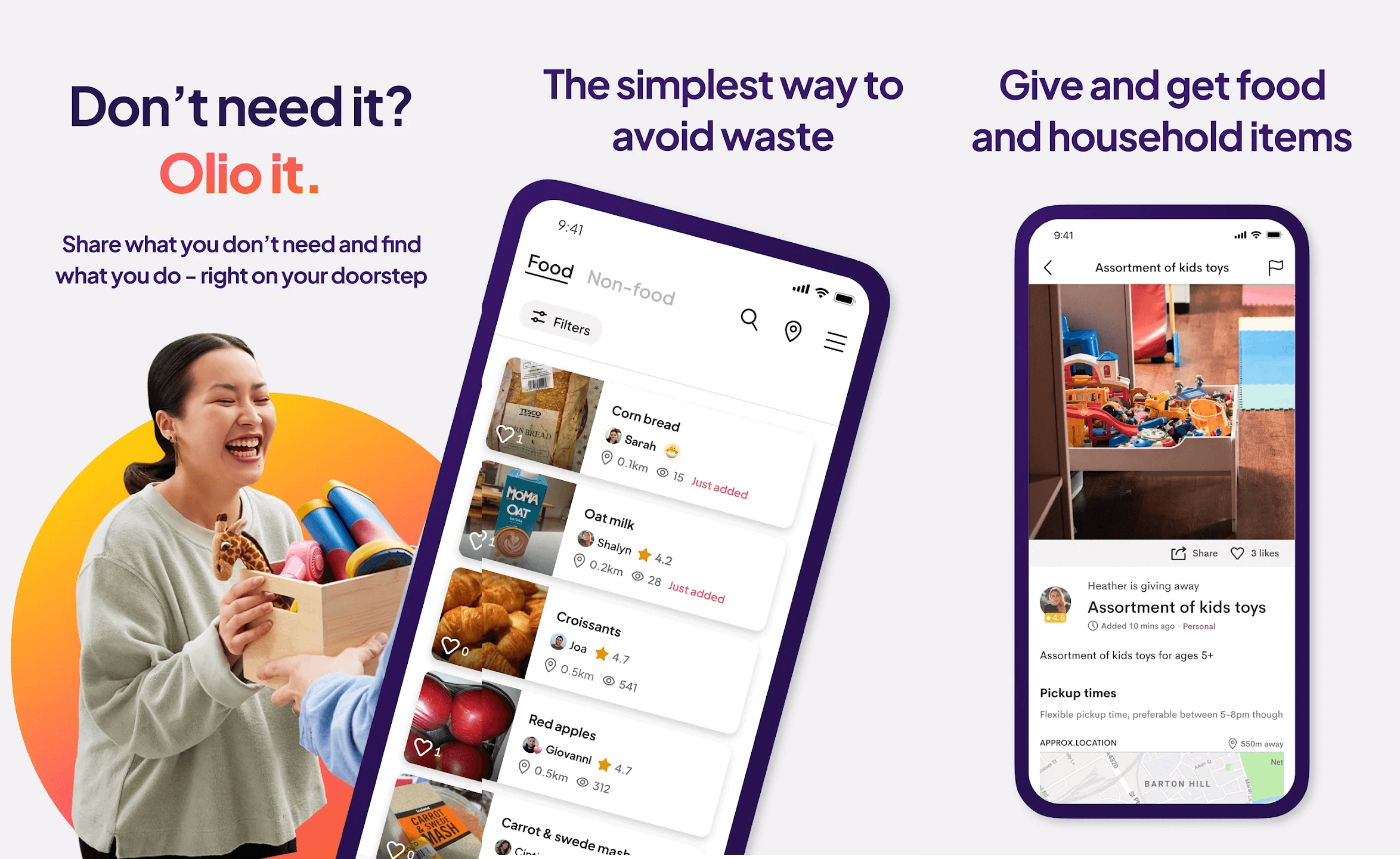
Users can browse listings, claim items, and arrange pickups, fostering community engagement and environmental sustainability by promoting sharing and reducing food waste.
2. Seamless
Innovative food waste management apps like Seamless connects users with local restaurants and grocery stores to rescue surplus food.
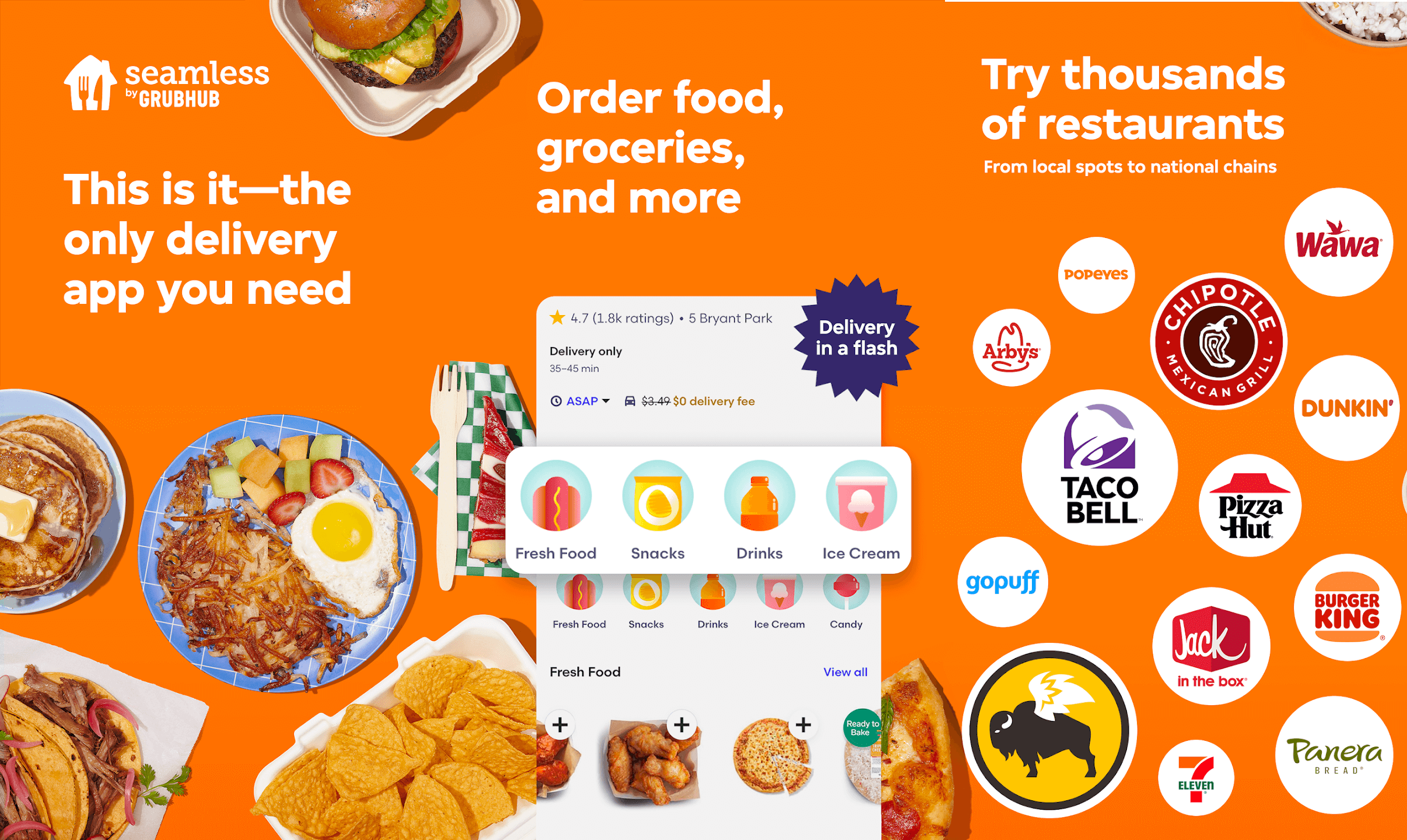
By offering discounted meals and deals on surplus items, Seamless helps reduce food waste while saving users money. It’s a win-win solution for both consumers and businesses.
3. Kitche
Kitche is one of the user-friendly food waste applications designed to reduce kitchen waste. Easily track and manage your food inventory, receive expiration reminders, and access creative recipes to utilize leftovers.
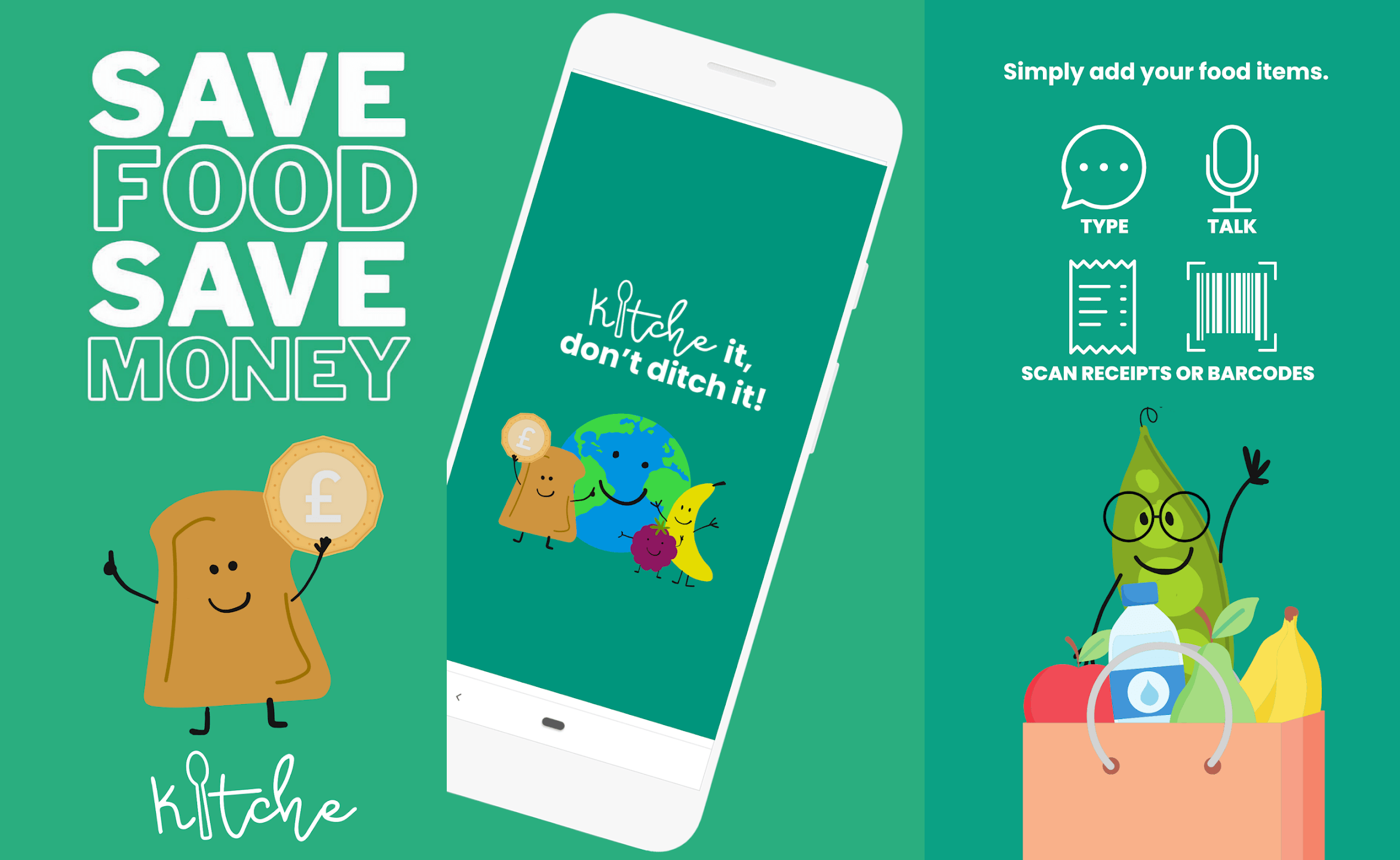
Save money, minimize environmental impact, and foster sustainable cooking habits with Kitche’s intuitive features.
4. NoWaste
NoWaste is a cutting-edge food waste management app designed to minimize food wastage. It enables users to track, manage, and reduce their food waste by providing personalized insights, recipe suggestions for leftovers, and expiration reminders.
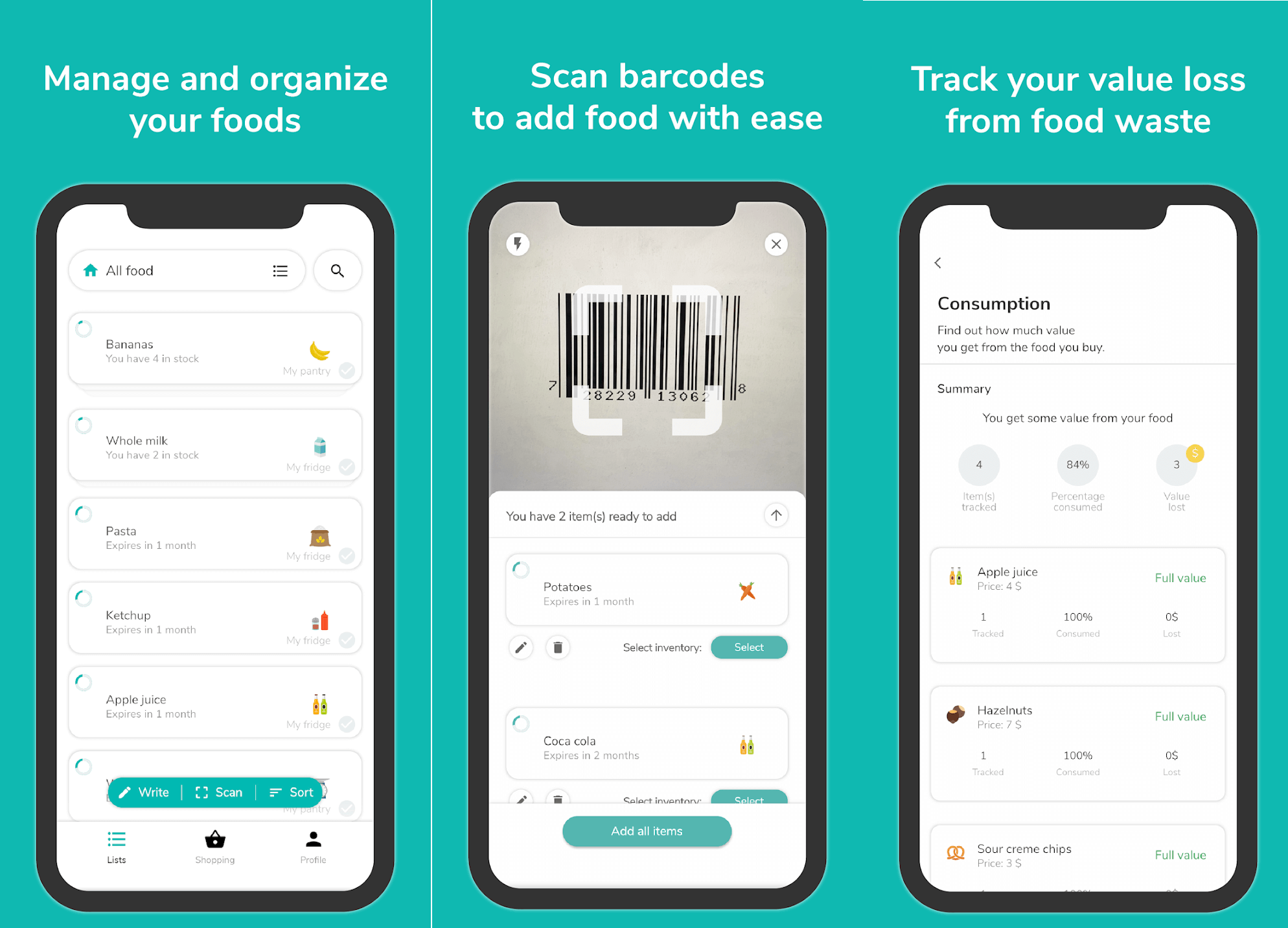
So, if you have a cloud kitchen business then you must definitely build a waste food management app to reduce food wastage.
5. Food For All
A restaurant offers discounts of up to 80% to customers who buy meals one hour before it shuts. Through the app, users can also provide food donations directly to individuals.
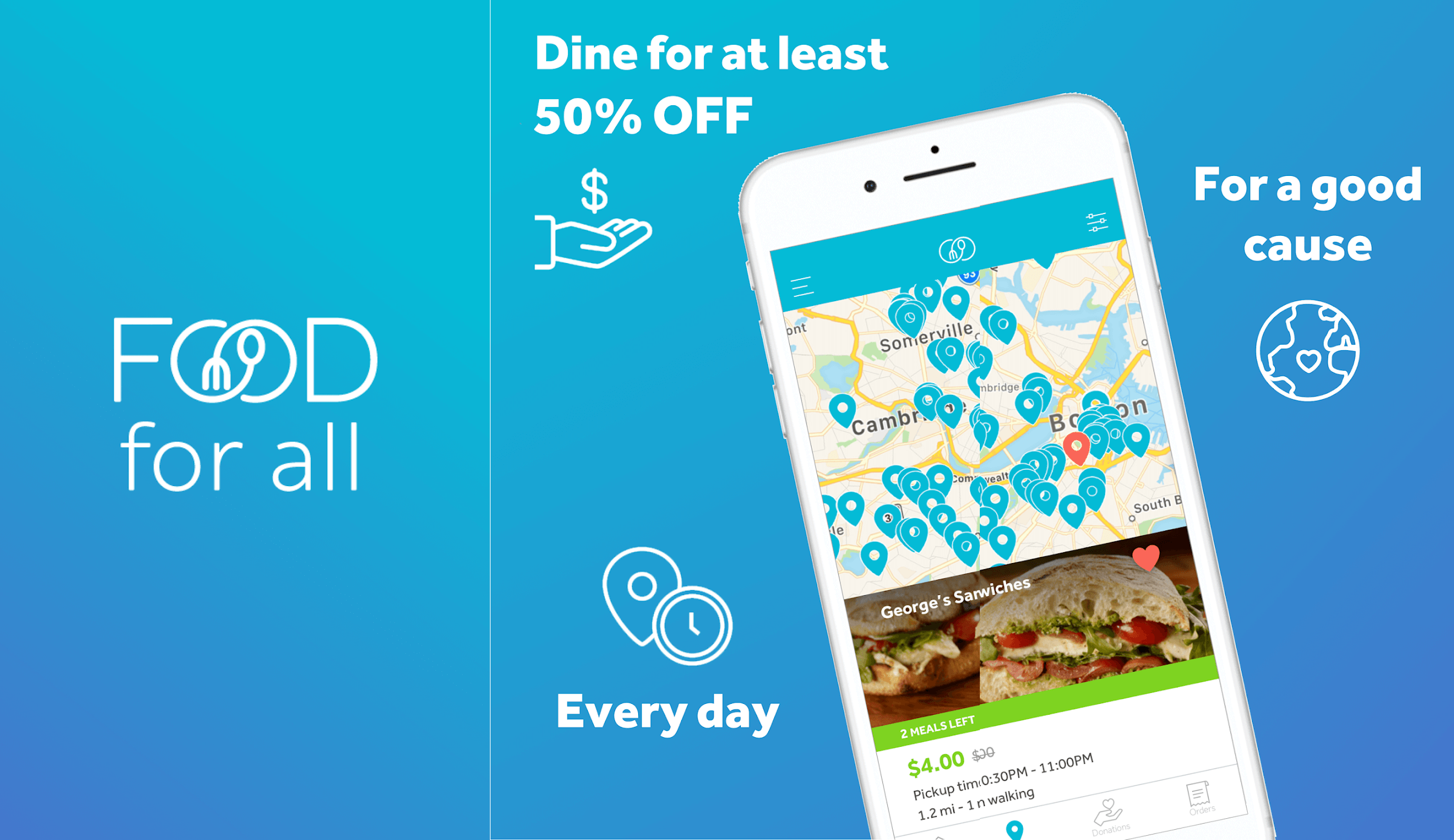
Members who would want to participate a little more may volunteer to pick up items from cafés and stores that offer food on the website via the food waste heroes initiative.
Cost to Develop An App Like Too Good To Go
Without any understanding of your app’s requirements, users, or business objectives, it is difficult to determine the development cost. There are major factors like app complexity, features, app design, development team are responsible for the fluctuation in waste food delivery app development cost.
However, we can tell you the estimated cost to develop an app like Too Good To Go which can be around $10000-$25000 or beyond. It can increase or decrease as per your project requirements and intricacy. Let’s make it more easy by looking at the below table:
| Complexity | Cost Estimation |
| Simple app | $10000-$14000 |
| Medium app | $15000-$20000 |
| Complex app | $25000 or more |
Now you are clear about the cost to build a food waste management app, let’s check out the formula to calculate the cost to develop an app like Too Good To Go:
Total app development cost = Hourly rate of developers * Total development time
To know about the actual development cost, it is advisable to consult with a mobile app development services provider. Share your project requirements with us and get an accurate development cost of your app.
5 Key Factors That Impact the Food Waste Management App Development Cost
Building a food waste management app like Too Good To Go within a fixed cost can be a difficult task. There are key factors that can affect the overall food waste management app development cost, such as project complexity, development team, tech stacks, third-party integrations, maintenance, and more.
- Development Team
- Basic and Advanced Features
- Platform Choice
- Third-Party Integrations
- Maintenance and Updates
1. Development Team
The development team is one of the most common cost-affecting factors that can easily impact the cost to develop a food waste management app like Too Good To Go.
Hiring developers from different regions is common, but the cost in every region is different from one another due to the high living costs. Developers who have a senior-level demand for higher salary packages than mid-level developers. So, it can lead to a higher Too Good To Go app cost.
Team Type |
Description |
Estimated Cost Range |
| Freelancers (1–2 devs) | Small-scale, basic MVP | $8,000 – $12,000 |
| Small Local Agency | Moderate features, quality dev | $12,000 – $16,000 |
| Offshore Team (Asia) | Lower-cost, varied expertise | $10,000 – $15,000 |
| Mid-Sized Agency | Scalable solution, QA, PM | $15,000 – $20,000 |
| Enterprise-Level Firm | Full-stack, enterprise features | $20,000 – $25,000 |
2. Basic and Advanced Features
Let’s move to the second cost-affecting factor, the basic and advanced features cost is different from each other, and some of the advanced features are highly priced. There is a wide variety of advanced features, such as a carbon footprint calculator, a waste analytics dashboard, AI-based expiry date alerts, and real-time inventory tracking.
These advanced or unique features can increase the cost to build a food waste management app like Too Good To Go due to a longer time to integrate.
Feature Type |
Description |
Estimated Cost Impact |
| Core Features Only | Inventory, user login, reporting | $8,000 – $12,000 |
| Add Analytics Dashboard | Waste metrics, trend charts | $12,000 – $15,000 |
| AI-Powered Features | Expiry prediction, image detection | $15,000 – $20,000 |
| Real-Time Notifications | Smart alerts, reminders | $13,000 – $18,000 |
| Full Feature Suite | All advanced + donation/resale flow | $20,000 – $25,000 |
3. Platform Choice
In another cost-impacting factor, it’s the personal choice of businesses which platform they use to publish their project, but every platform has a different cost. As we talk about the two main platforms, such as Android and iOS.
The difference between costs is the highly paid framework, developers’ cost, licensing fees, and maintenance costs; the iOS platform is more costly than Android. So, platform cost directly impacts the total food-sharing app development cost.
Platform Option |
Description |
Estimated Cost Range |
| Android Only | Single platform focus | $8,000 – $15,000 |
| iOS Only | Similar to Android | $10,000 – $18,000 |
| Cross-Platform (Flutter) | Shared codebase for both | $12,000 – $18,000 |
| Web Platform (Responsive) | For desktop & mobile browsers | $10,000 – $16,000 |
| Native iOS + Android | Two separate native builds | $18,000 – $25,000 |
4. Third-Party Integrations
Coming to the fourth factor, there are several third-party tools and applications that are necessary to integrate into the food waste management app. But some of them have higher licensing fees and take more time to implement, this can increase the time of developers.
It involves various types of third-party integrations, such as payment gateways, communication tools, analytics, CRM, social media logins, ERP, and many more. These tools can raise the cost to develop a food waste management app like Too Good To Go.
Integration Type |
Description |
Estimated Cost Impact |
| None | Standalone app | $8,000 – $10,000 |
| Payment Gateway | For resale or donation features | $10,000 – $13,000 |
| Donation Platforms | Food bank or charity APIs | $12,000 – $16,000 |
| POS System Integration | Sync with restaurant systems | $15,000 – $20,000 |
| Multiple API Connections | Advanced data flow + external tools | $17,000 – $21,000 |
5. Maintenance and Updates
In the last cost-affecting factor, maintenance and updates are important to keep the app up-to-date and maintain the actual performance. It includes various maintenance services such as fixing bugs or glitches, solving security issues, regular backups, adding new enhancements, updating UI designs, upgrading OS versions, and performance optimization.
Some of the maintenance services take more time to complete, this directly impacts the higher cost to launch a food waste app like Too Good To Go.
Maintenance Scope |
Description |
Annual Cost Estimate |
| Minimal (Bug Fixes Only) | Occasional patches | $500 – $1,000 |
| Basic Maintenance | Fixes + minor updates | $1,000 – $2,000 |
| Moderate Scope | Regular updates + monitoring | $2,000 – $3,500 |
| Advanced Maintenance | Feature enhancements + analytics tuning | $3,500 – $5,000 |
| Full Support Package | 24/7 support, upgrades, full testing | $5,000 – $7,000 |
How Much Does It Cost To Maintain An App Like Too Good To Go?
Now that you know the cost to develop an app like Too Good To Go, let’s now determine the mobile app maintenance cost. Basically, the cost to maintain a mobile app may be around 15-20% of the total development cost. For example, if your waste food management app development cost is $20000, then your maintenance charges will be around $2000-$4000 annually.
Additionally, it is essential to know that the mobile app maintenance cost can be affected by various factors. Here are some of the factors mentioned below:
- Hosting
- Security & Compliance
- New Features Integration
- Customer Support
- Third-party Tools Integration
- Bug Fixing & Updates
- Analytics
- UI/UX updates
Besides, if you want to integrate new features or remove old ones in your food delivery app like Too Good To Go, it would be best to take assistance from a food delivery app maintenance services provider.

How to Make Money From Food Waste Management Apps Like Too Good To Go?
Are you waiting for this section from the beginning of this blog? Now, it’s time to reveal the money-making strategies of food waste management apps like Too Good To Go. These techniques help businesses to generate new revenue streams and increase the business valuations:
- Commission on Surplus Food Sales
- Subscription Plans
- In-App Advertising
- White-Label Solutions
- Delivery Fees
1. Commission on Surplus Food Sales
The food waste reduction app like Too Good To Go, charges commission fees for surplus food sales between food sellers and buyers. It is the core revenue model of every food waste management application. The commission fees around 7% to 10% of each food sale; it is the direct revenue stream, and businesses can increase their sales and valuation.
2. Subscription Plans
Moving to another profit-generating technique, a waste food donate app like Too Good To Go offers paid subscription plans for businesses to access the premium features.
It includes various types of features such as real-time inventory tracking, analytics, marketing tools, priority listings, and integration with POS. Businesses need to purchase subscription plans on a monthly or annual basis, which can lead to generating new ways of profit.
3. In-App Advertising
In the third monetization model, apps that help fight food waste sell ad space to eco-friendly organizations and display their services and products on the app via advertising.
There are different ad formats available, such as banner ads, native ads, pop-up window ads, image ads, video ads, and display ads. Businesses can charge advertising fees depending on the ad format, which can generate a new income source model.
4. White-Label Solutions
White-Label Solutions allow businesses to purchase a customized version of the food waste management app under their own branding. Restaurants, grocery chains, or food distributors can use these tailored apps for internal waste tracking, donations, or resale management. This model generates revenue by offering setup fees, licensing, and ongoing support while expanding the app’s reach across different sectors.
5. Delivery Fees
Let’s move to the last money-making technique, the food waste management applications charge a delivery fee on every food sale delivery. The food buyers need to pay a delivery fee to have the food delivered to their specific location. Businesses can partner with logistics vendors and charge a commission on every food delivery via the application.
Ready to Develop An App Like Too Good To Go With Dev Technosys!
Dev Technosys is an excellent choice for developing an app like Too Good To Go. With our expertise in on-demand app development solutions, we can craft engaging applications that connect users with local businesses to reduce food waste.
Dev Technosys can implement features like geolocation, push notifications, and user reviews to enhance user experience and engagement. Our dedicated developers can also integrate secure payment gateways and implement measures to ensure food safety and quality standards.
A cloud kitchen management software development solution addresses waste from food in a sustainable and significant manner, benefitting both customers and businesses, is what you can anticipate when you work with Dev Technosys. So, what are you waiting for? Join hands with us to get a wonderful waste food management app for your business.
Frequently Asked Questions
Find answers to the most common questions related to this article.
The food waste management app enables users to collect the leftover food from restaurants at lower prices and provide it to the needy people. Its main motive is to reduce food waste from reducing food and feed the underprivileged people. Some of the popular food waste management apps are Olio, Karma, NoWaste, Nosh, Kitche and so on.
The time to build an app like Too Good To Go may not be fixed as it relies upon many factors. For example, app complexity, features, app design, location of development, experience of developers and so on. Typically, the time to create an app like Too Good to Go can take 2-7 months or more.
The food delivery website development cost can typically be somewhere between $8000-$25000 and it can go beyond that if you create a complex food delivery website with highly-advanced features.
The too good to go app development can be beneficial in many ways. It addresses food waste by connecting users with surplus food from restaurants and stores at discounted prices. Additionally, it offers an avenue for businesses to reduce waste and generate revenue from unsold items.
A waste food management app can monetize through various avenues. It might charge restaurants or businesses a subscription fee to use its services, offer premium features for a fee, or take a commission from food donations facilitated through the platform. Additionally, it could display advertisements or partner with food suppliers or waste management companies for revenue.