















“Swipe, Simplify, Smile”
Do you have multiple bank cards from different banks?
Definitely, sometimes you are confused about using multiple applications to manage bank cards.
Have you ever thought of an app where you can add all your cards and start using them seamlessly?
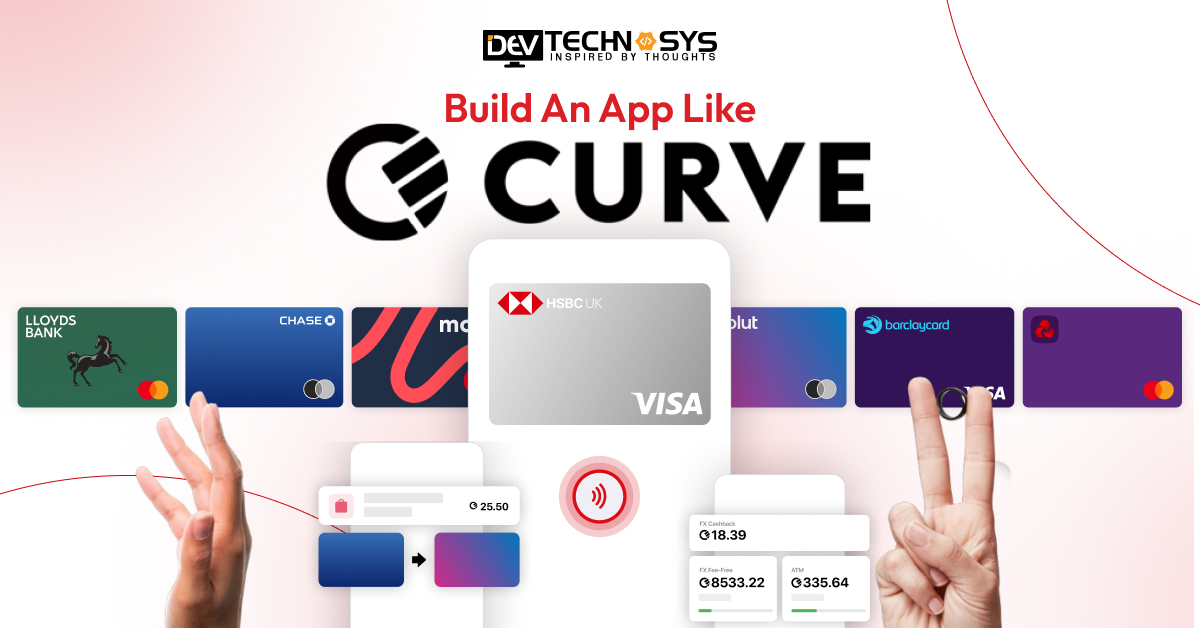
Then, wake up to reality: welcome to an app like “Curve Pay”.
It enables users to store their international or local bank cards and spend around the world with no fees.
Hey, are you an entrepreneur? Then, definitely, you want to build an app like Curve Pay to expand your business and take your business to every corner of the world.
You don’t go anywhere, just read this blog to know how to develop an ewallet app like Curve Pay and why it can be a lucrative opportunity.
Dive In!
Worldwide Statistics of E-Wallet Applications
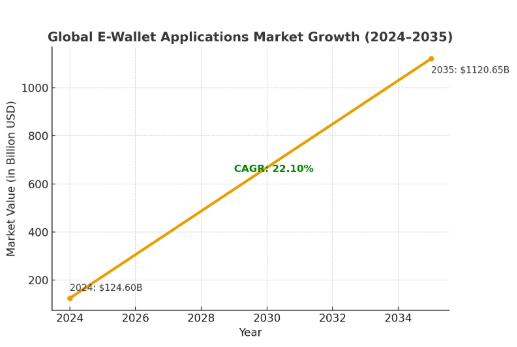
- The global market of ewallet applications is valued at around $124.60 billion in 2024; this is expected to increase to around $1120.65 billion by the end of 2035.
- Looking to the e-wallet market, the QR code segment holds 47% of market revenue share and generates revenue of around $78.48
- The e-wallet apps market is projected to increase with a CAGR of10% during the forecast period from 2025 to 2035.
- The retail and e-commerce segment dominates the ewallet market and holds the revenue share of around 33%.
- As compared to global regions, North America is one of the largest revenue share holders in the e-wallet market.
What is Curve Pay?
The Curve Pay is a digital wallet where users can add multiple cards and pay using the app or a single Curve card. It enables users to send money to others with just one tap and make contactless payments globally. This includes a wide range of advanced features, such as avoiding foreign exchange fees, payment gateway integration, security, stacking rewards, anti-embarrassment mode, Curve flex, and more.
10 Best E-Wallet Apps Like Curve Pay
Are you ready to explore the Curve Pay alternative? Here, we provide the existing ewallet apps that gained huge popularity across the world.
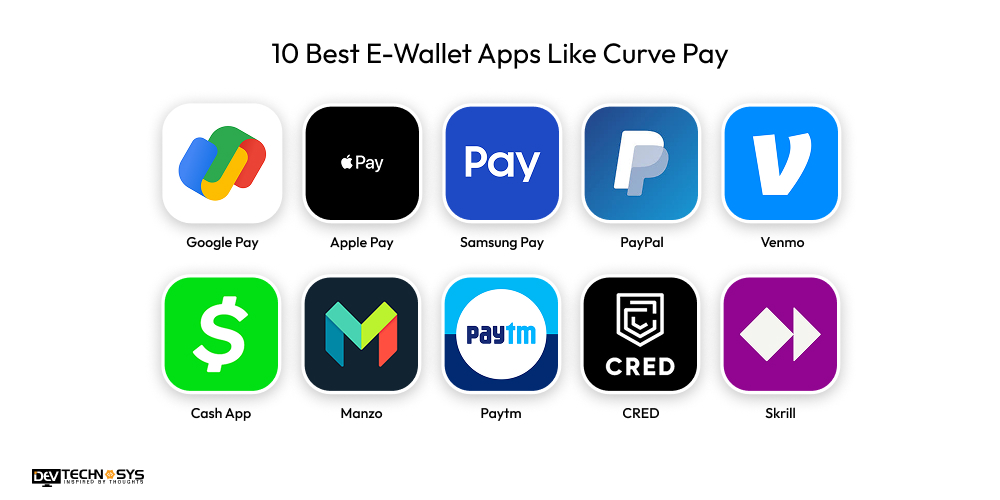
| App Name | Launch Year | Downloads | Avg. Rating | Platforms |
| Google Pay | 2015 | 1B+ | 4.3 | Android, iOS |
| Apple Pay | 2014 | 600M+ | 4.5 | iOS only |
| Samsung Pay | 2015 | 100M+ | 4.4 | Android (Samsung) |
| PayPal | 2010 (mobile app) | 100M+ | 4.5 | Android, iOS |
| Venmo | 2009 | 80M+ | 4.4 | Android, iOS |
| Cash App | 2013 | 60M+ | 4.6 | Android, iOS |
| Monzo | 2015 | 8M+ | 4.4 | Android, iOS |
| Paytm | 2010 | 500M+ | 4.5 | Android, iOS |
| CRED | 2018 | 50M+ | 4.7 | Android, iOS |
| Skrill | 2001 | 10M+ | 4.1 | Android, iOS |
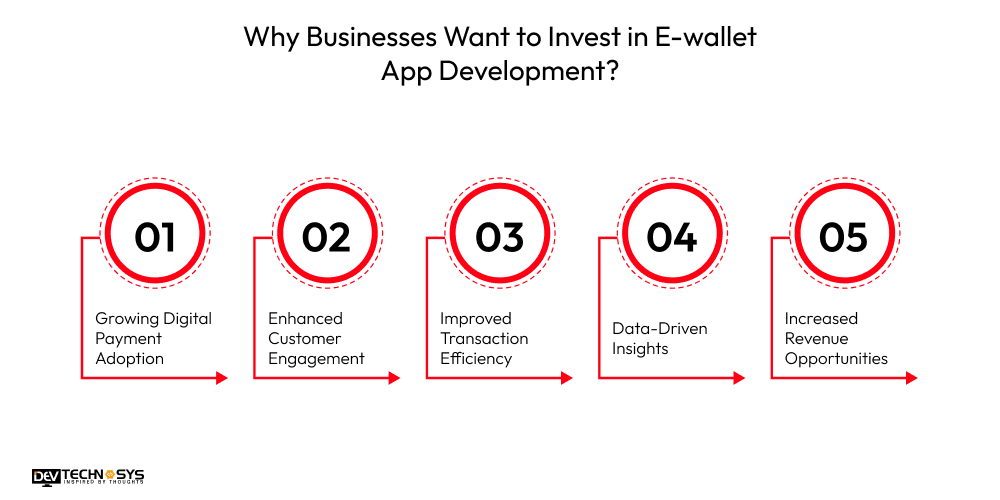
Why Businesses Want to Invest in E-wallet App Development?
As digital payments dominate global commerce, businesses are investing in NFC payment app development to enhance customer convenience and boost engagement. And ensure secure transactions, gain valuable data insights, and unlock new revenue opportunities, driving growth, innovation, and competitiveness in today’s cashless economy.
1. Growing Digital Payment Adoption
With consumers increasingly preferring cashless transactions, e-wallet apps enable businesses to meet evolving payment preferences. Investing in e-wallet development allows companies to cater to digital-savvy users, enhance convenience, and remain competitive in a rapidly expanding global mobile payments market.
2. Enhanced Customer Engagement
Paypal app development solutions offer loyalty programs, cashback offers, and personalized deals that boost user engagement. By providing seamless payment experiences and rewards, businesses can build long-term customer relationships, increase satisfaction, and improve retention rates through consistent interaction within a unified digital platform.
3. Improved Transaction Efficiency
E-wallets streamline payment processes by minimizing cash handling and reducing transaction times. Integrated encryption, biometric authentication, and fraud detection mechanisms enhance security, ensuring safe digital transactions while boosting customer trust and minimizing operational risks for businesses across industries.
4. Data-Driven Insights
The best E-wallet apps collect valuable data on customer spending habits and preferences. Businesses can analyze these insights to create targeted marketing strategies, optimize offerings, and make informed decisions that drive growth, personalization, and profitability through intelligent, data-backed customer engagement.
5. Increased Revenue Opportunities
By adopting e-wallet technology, businesses can introduce new monetization channels such as transaction fees, premium features, and partnerships. The platform also attracts more customers by offering convenient payments, driving higher sales volumes, repeat purchases, and greater overall revenue potential.
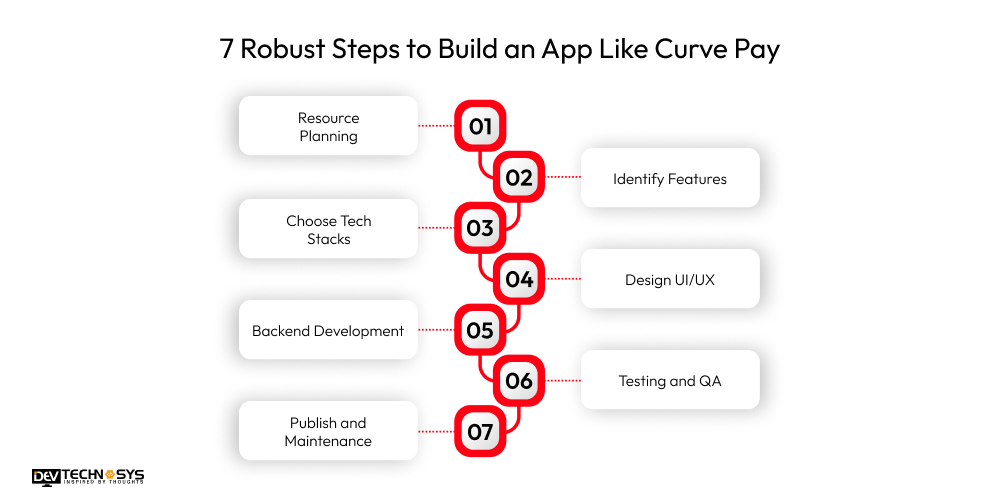
7 Robust Steps to Build an App Like Curve Pay
To create an app like Curve Pay, you will need to observe the various development steps that include market analysis, features, tech stacks, and design UI/UX, development, testing, and deployment. So, let’s explore the step-by-step ewallet mobile app development process:
1. Resource Planning
At the beginning of the Curve Pay clone app development process, you will need to collect your project’s basic and advanced requirements. You can make a sheet of requirements that makes it easy for you to reduce the confusion. After that, research in the market to determine which type of ewallet apps are more trending and find out their working criteria.
2. Identify Features
Move to the next step to make an app like Curve Pay, hire mobile app developers to identify the best features that must be integrated into your project. Involve various features such as linking multiple cars, transaction history, card tokenization, security measurements, and more. So, select features as per your personalized preferences.
3. Choose Tech Stacks
Selecting tech stacks is one of the most important steps in the overall ewallet web app development process. There is a wide variety of tech stacks:
For Backend: Java, Python, C++
For Frontend: HTML, CSS, JavaScript
For Cloud Storage: AWS, Google Cloud, Azure
For Database: SQL, MongoDB, PostgreSQL
4. Design UI/UX
Create an intuitive, modern interface focused on simplicity, trust, and seamless navigation. Hire dedicated developers to design prototypes and wireframes that reflect brand identity and ensure effortless card linking, transactions, and analytics visualization. Prioritize accessibility, responsive design, and smooth animations to enhance user satisfaction across Android and iOS platforms.
You can reach out anytime; we are available 24/7. Our team provides a quick response.

5. Backend Development
Develop a secure, scalable backend to manage transactions, card data, and user accounts. Integrate APIs for payment gateways, KYC verification, and currency exchange. Implement encryption, tokenization, and compliance with PCI DSS standards to protect data integrity and ensure smooth real-time processing of financial activities.
6. Testing and QA
Move to the sixth stage to make an app like Curve Pay, hire an Android or iPhone app development company to conduct thorough functional, security, and usability testing to identify bugs and vulnerabilities. Test across multiple devices, operating systems, and network conditions. Include unit, integration, and penetration testing to guarantee smooth transactions, fast performance, and a trustworthy experience before public release.
7. Publish and Maintenance
Deploy the app on Google Play and Apple App Store following their financial compliance policies. Continuously monitor app performance, fix bugs, update features, and maintain security patches. Gather user feedback, track analytics, and refine functionality to ensure long-term stability, scalability, and customer retention.
Curvey Pay Vs Monese Vs MuchBetter: Which is Better?
Still confused about choosing the best e-wallet app development solution? Here, we provide a detailed comparison between various e-wallet applications that enable you to fulfill your specific requirements and demands.
| Feature | Curve Pay | Monese | MuchBetter |
| Type | Card & wallet aggregator | Digital bank account | E-wallet & payment app |
| Core Use | Link multiple cards into one app | Multi-currency current account | Online & gaming payments |
| Foreign Exchange Fees | Low / Zero (on some plans) | Moderate | Low |
| Cashback / Rewards | Yes (on select plans) | Limited | Occasional promos |
| Security | High-card tokenization, freeze options | High-biometric & secure login | High-dynamic CVV, device pairing |
| Platforms | Android, iOS | Android, iOS | Android, iOS |
| Best For | Managing multiple cards & travel spending | Everyday banking & budgeting | Online payments & secure transfers |
| Overall | Great for travelers & card users | Great for multi-currency banking | Great for online security payments |
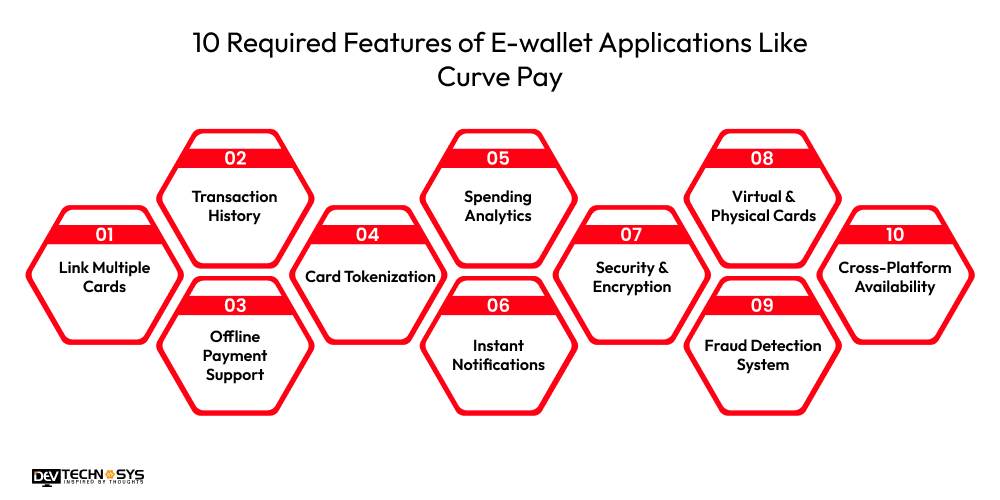
10 Required Features of E-wallet Applications Like Curve Pay
Before selecting your own features, you must look at the required features that are must to integrate. So, here we offer the list of must-have features:
1. Link Multiple Cards
The Curve Pay clone apps enable users to link multiple cards, such as credit, debit, and prepaid cards, that manage all transactions in one digital wallet.
2. Transaction History
Curve Pay alternatives allow customers to show the transaction history and also offer filters to search customarily, such as date, amount, merchant name, and more.
3. Offline Payment Support
A similar app like Curve Pay lets users make small transactions offline, this can sync automatically once the internet is active.
4. Card Tokenization
Replaces sensitive card data with encrypted digital tokens, safeguarding personal and payment information during transactions or card storage.
5. Spending Analytics
Built-in tools that categorize spending, display charts, and highlight trends to help users budget effectively and make smarter financial decisions.
6. Instant Notifications
An app like PayPal and Curve Pay sends alert messages to users when the upcoming payment is due, bills, recharges, refunds, and account updates.
7. Security & Encryption
Curve Pay alternatives integrate strong security measures such as two-factor authentication, encryption techniques, and biometrics to protect sensitive data.
8. Virtual & Physical Cards
Option to generate virtual cards for online purchases and request physical cards for offline use or ATM withdrawals.
9. Fraud Detection System
AI-powered monitoring that detects unusual behavior, suspicious patterns, or unauthorized access attempts to prevent financial loss.
10. Cross-Platform Availability
Apps like Brigit and Curve Pay offer a seamless experience across Android, iOS, and web platforms, ensuring users can manage accounts anywhere, anytime.
How Much Does it Cost to Build an App Like Curve Pay?
The cost to develop an app like Curve Pay is around $8,000 to $25,000 or more. The overall Curve Pay app development cost can fluctuate due to crucial factors such as features, functions, project complexity, size, backend infrastructure, platform choice, development team, and many more. There are also additional factors like maintenance, security measurements, testing, designing, and many more. So, let’s take a look at the detailed Curve Pay app development cost table:
| Cost Component | Estimated Cost Range | Notes |
| UI/UX Design | $1,000 – $3,000 | Design of screens, user flows, and branding for mobile platforms. |
| Frontend Development (iOS & Android) | $5,000 – $7,000 | Building a native or cross‑platform app for both iOS and Android. |
| Backend Development & APIs | $6,500 – $12,000 | Server, database, integrations (cards, wallet logic, switching). |
| Payment & Card Integration | $1,000 – $4,000 | Integrating payment gateways, card linking, and currency handling. |
| Security & Compliance | $800 – $2,000 | Tokenisation, encryption, KYC, regulatory compliance. |
| Testing & QA | $500 – $1,500 | Ensuring the app works across devices, platforms, and transaction flows. |
| Launch & Maintenance (initial period) | $200 – $1,500 | App store submission, monitoring, and bug‑fixing in its first weeks. |
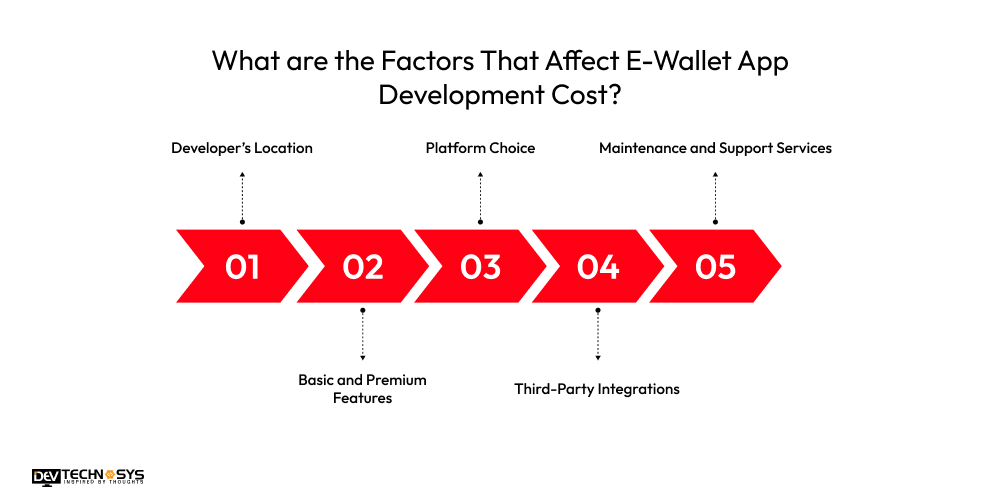
What are the Factors That Affect E-Wallet App Development Cost?
Have you fixed your project budget? But it can be changed, due to several factors that can highly impact the total cost to build an ewallet app like Curve Pay. So, let’s take a look at the crucial factors:
1. Developer’s Location
Move to the first cost affecting factor, hiring developers from different locations like the USA and UK, this can lead to higher costs due to the expensive living costs. This can directly affect the final cost to build an app like Curve Pay. So, hire developers from the Asia-Pacific region because they have low living expenses compared to others.
2. Basic and Premium Features
Adding features in your ewallet application is one of the most common factors that can easily impact the total ewallet mobile app development cost. It includes various paid or advanced features such as card tokenization, personalized recommendations, fraud detection systems, transaction history, and tracking real-time transactions.
3. Platform Choice
Have you already selected the deployment platform? If not. There are various types of platforms that can be used for deploying, such as Android, iOS, and more. But each cost is different from the others. If you selected the highly costly deployment platform, then the overall ewallet app development cost is also higher. So choose the platform based on the project budget.
4. Third-Party Integrations
There are various third-party tools and applications available for integrations, but some of them take more time and higher licensing fees. Absolutely, this can directly raise the final mobile wallet app development cost. It involves social media logins, payment gateways, CRM, analytics, communication tools, and more.
5. Maintenance and Support Services
Do you want to maintain your apps ‘ speed and performance? Surely, conduct the maintenance and support services such as regular updates, fixing bugs or glitches, solving security issues, performance optimization, upgrading OS version, and more. But there are many services that take up too much time of developers, this can significantly affect the cost to develop an app like Curve Pay.

How to Generate Money From Ewallet Apps Like Curve Pay?
Finally, come to this section, we know that making money from your own app is important for everyone. That’s why we listed the best money-generating techniques that help businesses to generate money in the start, or in legal ways:
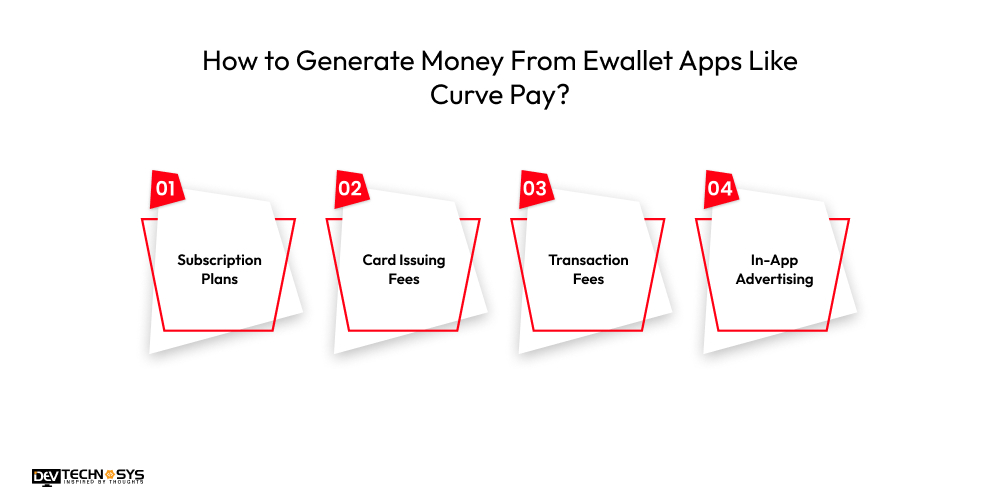
1. Subscription Plans
The Curve Pay clone apps offer paid subscription plans to users for accessing the full potential of the app. With the help of a premium or enterprise plan, users can earn cashback rewards, higher spending limits, free foreign currency exchange, and more. Users need to purchase plans on a yearly or monthly basis.
2. Card Issuing Fees
E-wallet apps like Paytm and Curve Pay charge a fee from users when they issue a physical debit or credit card through the app. The charge is based on an annual basis; it can be another steady income source for businesses. The overall issue fee is transparent, and this can increase users’ trust in the app.
3. Transaction Fees
The e-wallet Android apps charge smaller transaction fees on every transaction through the app. It includes various types of transactions that must be charged, such as peer-to-peer, international transactions, and more. So, this is one of the most common and transparent revenue-generating ways.
4. In-App Advertising
The banking applications like Chime and Curve Pay enable third-party organizations or agencies to show their products or services within the app. Businesses can charge advertising fees of around 5% to 10% for each business ad. It can be one of the familiar revenue-generating ways.
Conclusion
In conclusion, building an app like Curve Pay requires strategic planning, robust backend architecture, secure payment integration, and an intuitive user experience. Partnering with a professional eWallet app development company ensures compliance with financial regulations, advanced security, and scalability. From design to post-launch maintenance, every step demands technical precision and innovation. By leveraging expert developers and modern fintech technologies, you can create a seamless, feature-rich digital wallet that delivers convenience, trust, and long-term value to global users.
Frequently Asked Questions
Find answers to the most common questions related to this article.
Curve Pay consolidates multiple payment cards into one smart card and app, routing transactions via tokenization, dynamic BIN mapping, and cloud-based APIs. It uses PCI-DSS security, real-time authorization, and Mastercard network integration for seamless payments.
Key features include multi-card linking, secure tokenization, real-time transaction routing, spend analytics, rewards integration, instant notifications, dynamic card selection, biometric authentication, PCI-DSS compliance, cloud APIs, and Mastercard/Visa network connectivity.
Developers face challenges with regulatory compliance, PCI-DSS certification, bank API integration, secure tokenization, fraud prevention, real-time transaction routing, user privacy, scalability, multi-region support, complex backend reconciliation, and ensuring seamless user experience across devices and networks.
The cost to build an app like Curve Pay is around $8,000 to $25,000 or depending on the special requirements. It can be raised due to various factors such as features, backend infrastructure, deployment platforms, development team, design UI/UX, testing, security, and maintenance.
To build an app like Curve Pay typically takes 3 to 6 months, depending on complexity, features, integrations, and team expertise. This includes planning, design, development, testing, compliance checks, and deployment for a seamless fintech experience.