














As we all know, online learning is growing rapidly and is proving to be highly effective for students. For today’s students, online learning is a go-to option, and they can schedule their classes from anywhere and at any time.
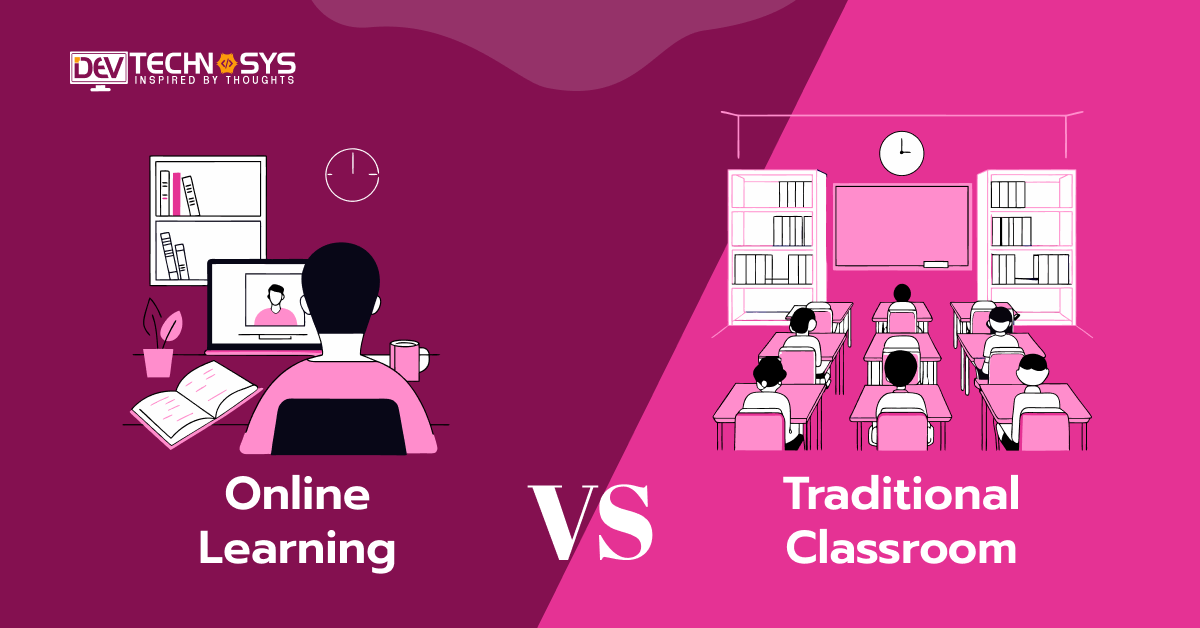
Most institutions and colleges choose online learning to increase flexibility and advancements, but the question remains about online learning vs traditional classroom.
Are you also still confused about which is more effective?
No need to do that, we are here to clear all your doubts, just read the blog with full attention.
In this blog, we will discuss online learning vs traditional classroom and which one you should choose to enhance your learning experience.
Stay on!
What is Online Learning?
Online learning means studying on a computer, tablet, or phone using the internet. You can watch videos, read lessons, and talk to your teacher without going to school. The best education apps let you learn from home or anywhere. You can do your homework online and sometimes play learning games too. It’s like school, but on a screen!
- Learn from Anywhere
- Online Homework
- Ask Questions
- Fun Quizzes
Advantages of Online Learning
Online learning benefits in 2025 offer flexibility, convenience, and personalized pacing, allowing students to access quality education anytime, anywhere, with engaging tools and a wide range of subjects. As in the above sections we provide the pros and cons of online learning and classroom education: Just scrolling.
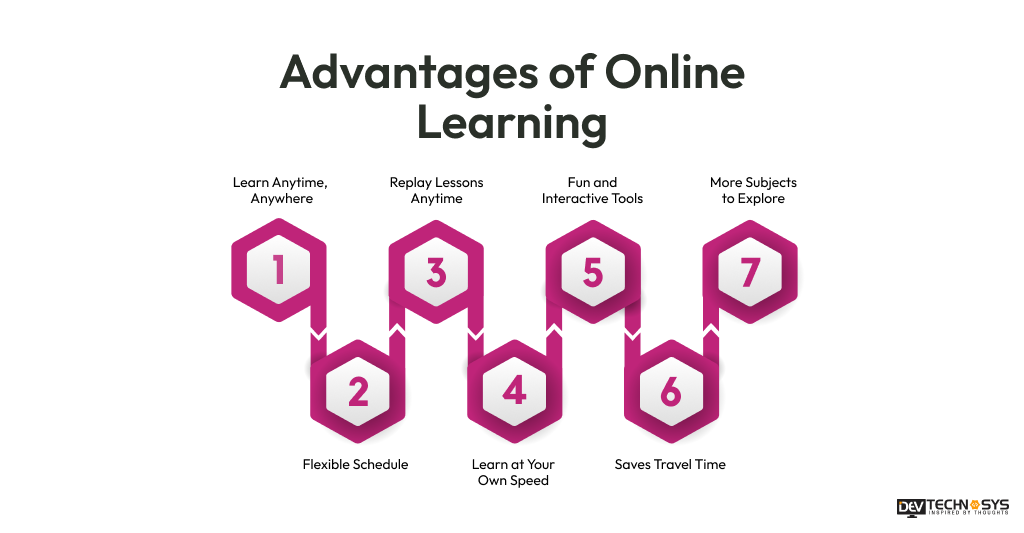
1. Learn Anytime, Anywhere
learning gives you the freedom to study wherever and whenever you want. Whether you’re at home, on vacation, or traveling, all you need is an internet connection. This flexibility makes education more convenient and helps students fit learning into their daily lives more easily. For academic support, platforms like MyPaperHelp provide dissertation writing services that can further ease the challenges of balancing coursework and deadlines.
2. Flexible Schedule
With online learning, you can set your own study time. Education apps to use for students who have other responsibilities, like sports or family duties. You’re not limited by a school bell, so you can learn when you feel most focused, making it easier to manage time effectively.
3. Replay Lessons Anytime
One big advantage of online learning is being able to watch lessons more than once. If you miss something or need extra help, just replay the video. This helps students fully understand the topic without feeling rushed, which is not always possible in a regular classroom.
4. Learn at Your Own Speed
Online learning allows you to study at your own pace. If you find something hard, take your time. If it’s easy, move ahead quickly. AI in education industry revolutionizing the way every student learns, allowing them to do so comfortably, without pressure from others or fear of falling behind in class.
5. Fun and Interactive Tools
Online learning includes cool tools like videos, animations, quizzes, and games. These interactive features make learning fun and help students stay interested. Instead of just reading from a book, learners get to enjoy engaging activities that help them understand and remember lessons better.
6. Saves Travel Time
You don’t have to spend time getting ready for school or traveling. This saves time and energy, especially for students who live far from school. The extra time can be used for studying, resting, or enjoying hobbies, leading to a better school-life balance.
7. More Subjects to Explore
Online platforms offer a wide variety of subjects that may not be available in your school. You can learn new skills like coding, music, or drawing. The best educational mobile apps for students allow them to discover new interests and expand their knowledge beyond the regular classroom curriculum.
Disadvantages of Online Learning
Online learning can lead to isolation, lack of motivation, screen fatigue, and technical issues. It also limits hands-on activities, social interaction, and may challenge fair student assessment.
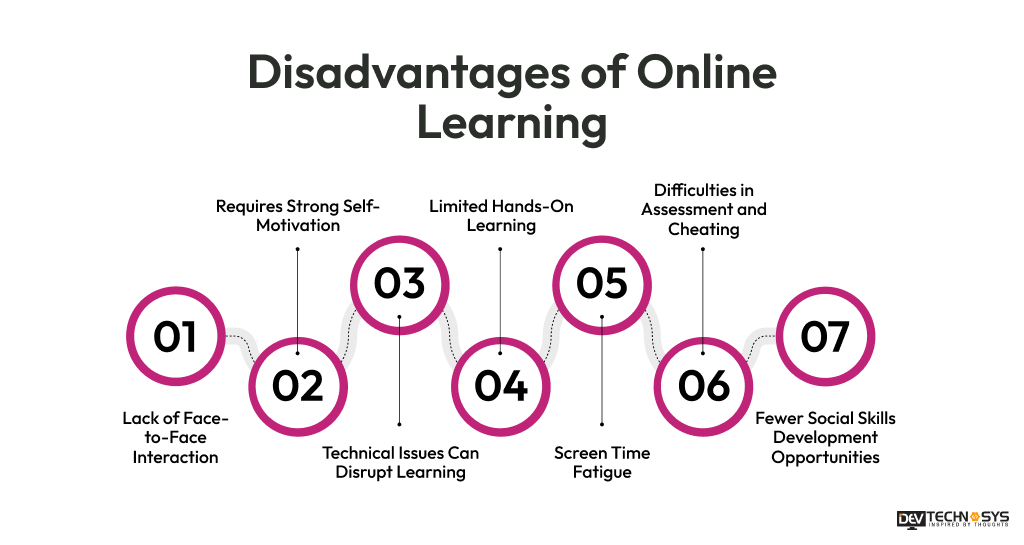
1. Lack of Face-to-Face Interaction
Online learning limits direct interaction with teachers and classmates. This can make it harder to ask questions, get instant feedback, or build friendships. Some students may feel isolated without the daily social connections that happen naturally in traditional classroom settings.
2. Requires Strong Self-Motivation
Online learning demands a lot of self-discipline and time management. Without a set school routine or teacher supervision, some students may procrastinate or struggle to stay focused. It’s easy to fall behind if you don’t stay organized and keep up with lessons on your own. In some cases, students may choose to pay someone to write research paper to ease the academic load, ensuring they stay on top of their assignments while balancing their other commitments.
3. Technical Issues Can Disrupt Learning
Not all students have access to the benefits of mobile apps in education industry because they don’t have strong internet or modern devices. Poor connections, outdated software, or sudden technical problems can interrupt lessons and cause frustration. These challenges make it difficult for students to attend classes consistently or complete assignments on time.
Want a chatbot demo or pricing? Fill the form and talk to our experts today.
Pick what you need below — you can select more than one — then tap Get detail to continue.
-
Chatbot demo dashboard
-
Cost to develop an app
-
Industry report
-
Case study
4. Limited Hands-On Learning
Subjects that require practical work, like science experiments or physical education, are harder to teach online. Virtual activities can’t fully replace real-world experiences. Students may miss out on hands-on learning that helps them understand concepts better through direct involvement and experimentation.
5. Screen Time Fatigue
Spending long hours on a computer or tablet can cause eye strain, headaches, and tiredness. Too much screen time also affects concentration and sleep. Many students feel mentally exhausted after extended online learning sessions, making it hard to stay engaged and productive.
6. Difficulties in Assessment and Cheating
Testing students online can be tricky. Teachers may find it hard to prevent cheating or measure real understanding. Some students may use online help or copy answers, making it difficult to ensure fair and accurate assessments of their learning progress.
7. Fewer Social Skills Development Opportunities
Online learning reduces opportunities for teamwork, public speaking, and classroom discussions. Students miss the chance to develop communication and social skills that come from interacting face-to-face with peers and teachers in a traditional school environment.
What is a Traditional Classroom?
A traditional classroom is a physical space where students and a teacher meet in person for learning. Lessons are taught face-to-face using books, boards, and other materials. Students follow a fixed schedule, interact directly with classmates, and participate in group activities. It provides structure, discipline, and real-time support from teachers during lessons.
- In-Person Learning
- Fixed Schedule
- Group Activities
- Hands-On Learning
Advantages of Traditional Classroom
Traditional classrooms offer structured learning, direct teacher support, hands-on activities, social interaction, and fewer technical issues, helping students build discipline, focus, and important communication skills through face-to-face engagement. So, here we provide the classroom learning advantages and disadvantages:
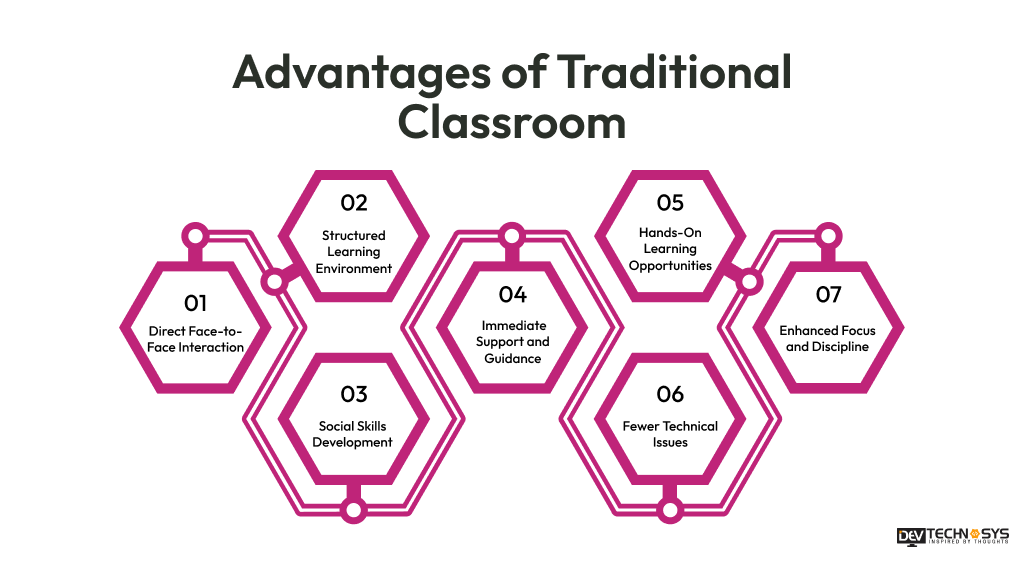
1. Direct Face-to-Face Interaction
Traditional classrooms allow students to interact personally with teachers and classmates. This direct contact helps in asking questions, getting immediate feedback, and building strong relationships. It supports better communication skills and makes learning more engaging through live discussions and group activities.
2. Structured Learning Environment
The fixed schedule and routine of traditional classrooms provide a disciplined and organized learning environment. Students benefit from a consistent timetable that helps them develop time management skills and stay focused on their studies without distractions common at home or online.
3. Social Skills Development
In-person classrooms encourage teamwork, collaboration, and social interaction. Students learn to communicate, share ideas, and resolve conflicts with peers. These experiences help build important life skills such as empathy, cooperation, and leadership, which are harder to develop through online learning.
4. Immediate Support and Guidance
Teachers can monitor students closely in a traditional classroom. They can quickly identify when a student is struggling and provide personalized help. According to the kids learning app development company, this immediate support enhances learning and keeps students motivated and on track.
5. Hands-On Learning Opportunities
Subjects requiring practical work, such as science experiments, art, or physical education, are easier to teach in person. Hands-on activities help students understand concepts better by actively participating, which is often challenging to replicate in an online environment.
6. Fewer Technical Issues
Traditional classrooms don’t rely on internet connections or technology, so students are less likely to face interruptions caused by technical problems. This ensures smooth, uninterrupted learning sessions for everyone.
7. Enhanced Focus and Discipline
Being physically present in a classroom reduces distractions like phones or household noise. The school environment encourages students to pay attention and follow classroom rules, helping them build good study habits and self-discipline.
Disadvantages of Traditional Classroom
Traditional classrooms have fixed schedules, limited personalization, commute challenges, distractions, fewer course options, higher illness risks, and costly infrastructure, which can impact flexibility, learning, and overall student experience
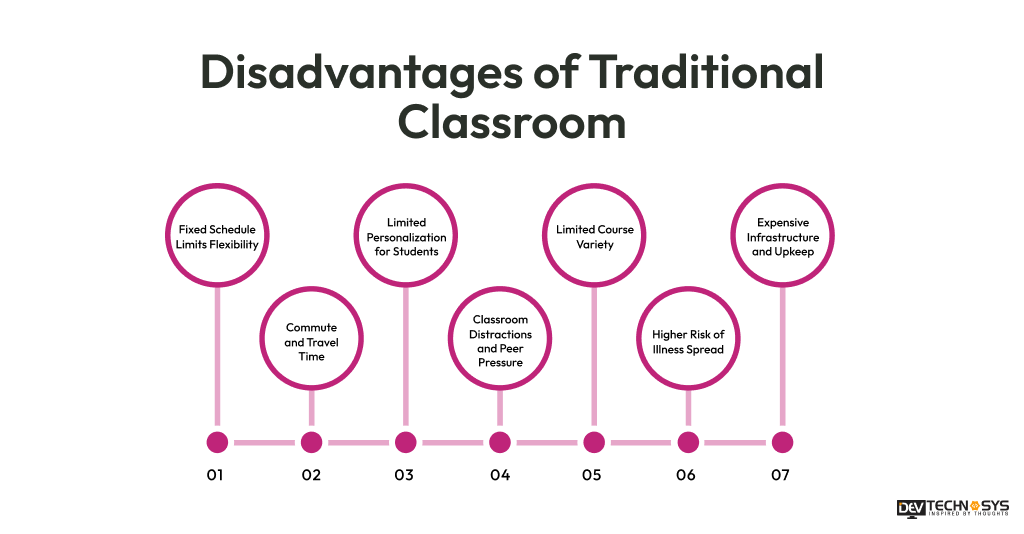
1. Fixed Schedule Limits Flexibility
Traditional classrooms require students to attend classes at specific times, which may not fit everyone’s personal schedule or learning pace. This lack of flexibility can be challenging for students with other commitments or those who learn better outside fixed hours, limiting their ability to balance school with personal life.
2. Commute and Travel Time
Students often spend significant time commuting to school daily. This travel can be tiring, reduce study time, and increase stress levels. Long commutes also make it harder for students to arrive on time and can affect overall attendance and punctuality, impacting their learning experience negatively.
3. Limited Personalization for Students
With many students in one classroom, teachers may struggle to meet each learner’s unique needs. Some students might find the pace too fast or too slow, leading to boredom or confusion. This limited personalization can cause some students to fall behind or lose interest in their studies.
4. Classroom Distractions and Peer Pressure
Traditional classrooms can have many distractions, such as noisy conversations or off-task behavior. Peer pressure may also affect students’ confidence and participation. These distractions make it difficult for some students to concentrate, reducing their overall engagement and academic performance.

5. Limited Course Variety
Schools may offer a restricted number of subjects due to staffing or resource limits. Students interested in specialized or advanced topics might not have access to those courses in a traditional classroom, limiting their opportunities to explore diverse interests or prepare for specific careers.
6. Higher Risk of Illness Spread
Close physical contact in classrooms increases the chance of spreading illnesses like flu or colds. This can lead to frequent student absences and disruptions to learning, especially during pandemics or outbreaks, impacting both students’ health and academic progress.
7. Expensive Infrastructure and Upkeep
Maintaining physical classrooms requires significant costs for buildings, utilities, furniture, and materials. These expenses make traditional schooling costly for institutions and families. Schools must continuously invest in facilities to provide a safe, comfortable learning environment, which isn’t always affordable everywhere.
Online Learning vs Traditional Classroom
Explore the key differences between online and traditional education, including flexibility, interaction, cost, and accessibility, to understand which education method suits your needs best in today’s changing world.
| Feature | Online Learning | Traditional Classroom |
| Location | Learn anywhere with internet access | Learn in a physical classroom |
| Schedule | Flexible, learn anytime | Fixed class timings |
| Interaction | Virtual, via chat/video | Face-to-face interaction |
| Learning Pace | Self-paced, review lessons anytime | Set pace by teacher |
| Social Interaction | Limited social engagement | Strong peer and teacher interaction |
| Learning Tools | Digital resources, videos, quizzes | Textbooks, whiteboards, hands-on materials |
| Hands-on Activities | Limited, virtual simulations | Extensive, real-world experiments and activities |
| Technology Dependency | Requires reliable internet and devices | Minimal tech needed |
| Discipline & Routine | Requires self-discipline | Structured environment enforces discipline |
| Cost | Often lower cost | Higher cost for facilities and materials |
| Accessibility | Accessible to many, including remote learners | Limited by location and physical access |
| Assessment | Online quizzes, assignments | In-person tests, immediate feedback |
Hybrid Learning: The Best of Both Worlds?: Online Classes vs Physical Classes
Hybrid learning, also known as blended learning, combines the strengths of both online learning and traditional classroom education. It offers a flexible and effective way to teach and learn by mixing in-person lessons with digital instruction.
How Hybrid Learning Works
In a hybrid model, students attend some classes face-to-face with their teachers and classmates, while other lessons or assignments are completed online. For example, theory lessons might be taught through videos or online modules, and practical activities or discussions happen in the classroom.
Benefits of Hybrid Learning
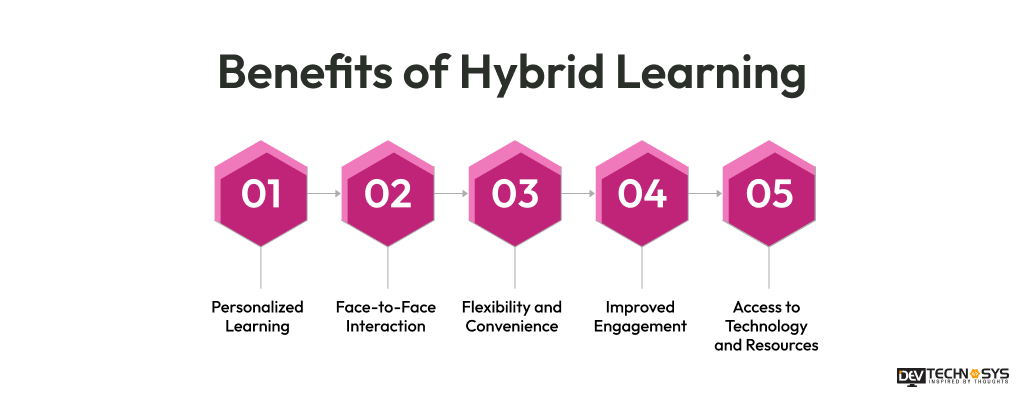
1. Personalized Learning
Hybrid learning often includes online resources that let students learn at their own speed. If they find a topic difficult, they can review lessons multiple times. If they understand quickly, they can move ahead without waiting for the whole class.
2. Face-to-Face Interaction
Unlike fully online learning, hybrid models still provide opportunities for in-person interaction. Students can ask questions directly, participate in group work, and receive immediate feedback from teachers, which supports better understanding and motivation.
3. Flexibility and Convenience
Students can access learning materials anytime and anywhere, which helps those with busy schedules or different learning paces. The school management software development solutions allow learners to balance school with other activities, such as work, hobbies, or family time.

4. Improved Engagement
Using a mix of teaching methods — videos, quizzes, discussions, hands-on activities — keeps students interested and helps them learn in different ways. The variety prevents boredom and encourages active participation.
5. Access to Technology and Resources
Students learn to use digital tools and online platforms, preparing them for the future workplace where tech skills are important. At the same time, they benefit from traditional materials and physical classroom settings.
How to Choose the Best Learning Environment?: Online Learning vs Traditional Classroom
Choosing the right learning environment between online learning vs traditional classroom depends on your personal goals, lifestyle, learning style, and access to resources. Both online learning and traditional classrooms have their strengths, so here’s how to decide which one suits you best:
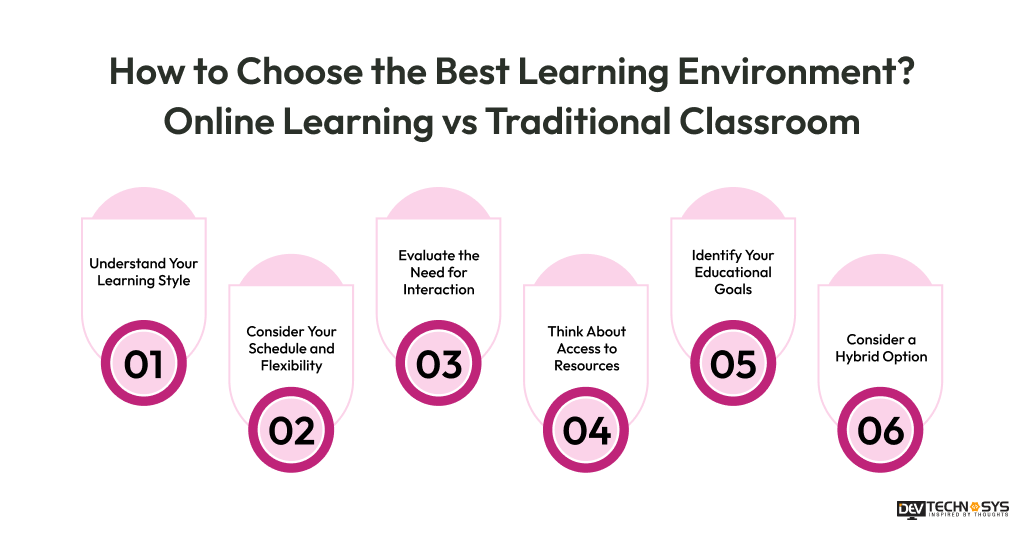
1. Understand Your Learning Style
If you’re independent, enjoy using technology, and like learning at your own pace, online learning may suit you. But if you prefer structured lessons, teacher-led guidance, and group activities, traditional classrooms offer a better fit for focused, face-to-face learning experiences.
2. Consider Your Schedule and Flexibility
If you develop a student information system app, it offers flexibility to study anytime, making it great for busy students or working professionals. Traditional classrooms follow fixed schedules, which can help maintain discipline but may not work well for those with time limitations or varying daily responsibilities.
3. Evaluate the Need for Interaction
Traditional classrooms provide real-time communication, discussions, and peer support. This builds confidence and social skills. Online learning can feel isolating, though some platforms offer chat and video tools. Hire mobile app developers to choose based on how much live interaction you need for better understanding and motivation.
4. Think About Access to Resources
Online learners need reliable internet and digital devices. In contrast, traditional classrooms offer physical resources like books, labs, and face-to-face help. Consider which setting gives you better access to the tools and support needed for your subject or learning style.
5. Identify Your Educational Goals
For convenience, affordability, and access to wider course options, online learning is ideal. According to the mobile app development company, if your goals include hands-on experiences, classroom collaboration, and guided instruction, a traditional classroom might be more aligned with your academic or career path.
6. Consider a Hybrid Option
Can’t choose between both? Hybrid learning blends online convenience with classroom support. It allows you to study flexibly while still getting in-person interaction and feedback, giving you a balanced, adaptable, and modern educational experience that fits multiple learning styles and schedules.
Conclusion
In 2025, both online learning vs traditional classrooms have good things. Online learning lets students study from home using phones or computers. But classrooms help students talk to teachers and friends better.
Some students learn more in class, while others like learning online. The best way depends on the student. Today, an education app development company makes great apps that help kids learn better online. The educational trends in 2025 are fun and easy to use. So, both ways are good if students stay focused and try their best.
Frequently Asked Questions
1. Is Online Education Better Than Traditional Learning?
Online education can be better for some students because it’s flexible and uses fun apps. But traditional learning helps with face-to-face teaching. The best choice depends on how each student learns best.
2. How Effective is E-learning in 2025?
Effectiveness of online learning in 2025 with smart technology, interactive apps, and video lessons. It helps students learn anytime, anywhere. With support from an Education App Development Company, learning is now more fun and easier.
3. Is 70% of Students Say Online Learning is Better Than Traditional Classroom Learning?
Around 70% of students say online learning is better than traditional classroom learning because it’s flexible, saves time, and uses fun apps. But some still prefer classrooms for direct teacher interaction and group activities.
4. Can Online Education Replace Traditional Classrooms?
Online education can’t fully replace traditional classrooms because face-to-face interaction and hands-on learning are still important. However, it can work well alongside classrooms in a blended model for flexible and effective learning.
5. Is Online Learning Cheaper Than Traditional Education?
Yes, online learning is often cheaper than traditional education because it saves money on travel, textbooks, and school facilities. However, it still requires a good device, internet connection, and sometimes paid apps or courses.
6. What is the Future of Online Learning in Education?
The future of online learning is bright, with smart apps and virtual reality making education more fun and accessible. It will work with classrooms to help all students learn better everywhere.