



















“Mori no Chiisana Restaurant.”
It is a famous jingle from a Japanese song portraying the popularity of the food culture in Japan. Different cuisines including bakery items are spreading the essence and taste of Japanese food worldwide. It is a great opportunity for entrepreneurs to start an online bakery business in Japan.
Launching a new business is not an easy task in the present time, so you need to understand different Japan bakery market trends that are famous among common people. Almost 25% of the total food share in the world is of bakery products.
This is not just a blog but a Japan online bakery startup guide that is going to help businesses in developing a new environment for their target audience. So, let’s start our journey by first understanding the market stats.
Market Stats of Bakery Industry
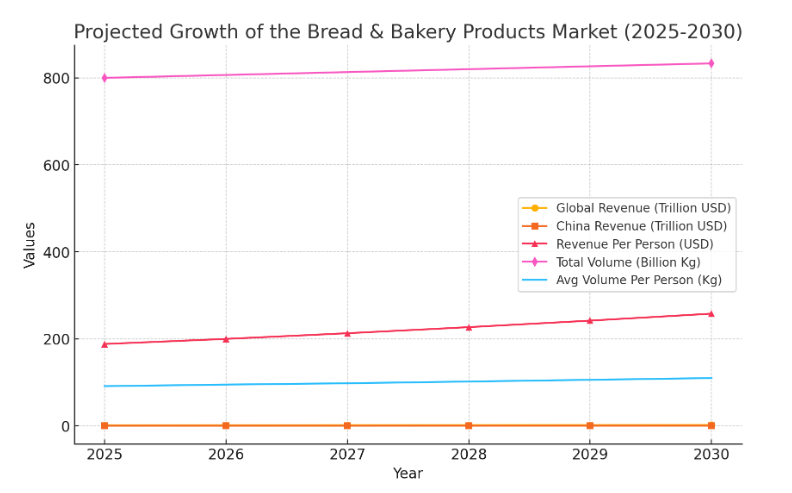
- Revenue in the Bread & Bakery Products market amounts to $1.48 Trillion in 2025. The market is expected to grow annually by 60% CAGR between 2025 and 2030.
- In global comparison, most revenue is generated in China which is $303 Billion in 2025.
- In relation to total population figures, per person revenues of $188.32 are generated in 2025.
- In the Bread & Bakery Products market, volume is expected to amount to 26 Billion Kg by 2030. The Bread & Bakery Products market is expected to show a volume growth of 4.4% in 2026.
- The average volume per person in the Bread & Bakery Products market is expected to amount to 4 Kg in 2025.
Detailed Guide to Start an Online Bakery Business in Japan
Firstly, it is important to answer how to open an online bakery in Japan with the least possible cost. You may create best bakery apps to use with the correct approach involving appropriate licensing, premium ingredients, and good internet marketing. This section will guide you through the crucial actions needed to start an online bakery business in Japan.
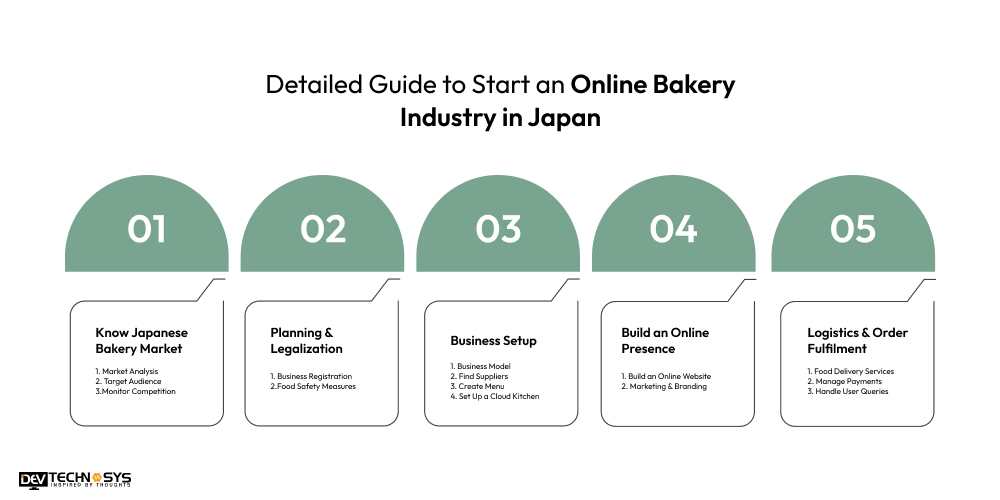
1. Know Japanese Bakery Market
Identification of trends and consumer preferences to develop a bakery app depends on an awareness of the Japanese bakery industry. Demand for excellent, handcrafted, health-conscious baked products is rising. Investigating consumer behavior, local laws, and cost will assist you to properly customize your products.
i. Market Analysis
Understanding the Japanese bakery market is crucial to identify demand trends, consumer preferences, and market gaps. Research the popularity of traditional baked goods and emerging trends like organic or gluten-free products. Analyze economic factors and local competition to position your bakery effectively.
ii. Target Audience
Define your ideal customers, whether they are locals, expats, health-conscious consumers, or businesses. Identify their buying habits, preferred bakery items, and online shopping behaviors. It is good to invest in grocery delivery app development that caters to specific audience preferences and will help in a marketing approach that drives sales.
iii. Monitor Competition
Study competitors’ offerings, pricing, and customer engagement strategies to identify areas for differentiation. Learn from their strengths and weaknesses to improve your services. Offering unique flavors, better packaging, or superior delivery services can give you an edge in the market.
2. Planning & Legalization
You have to know Japanese bakery laws and regulations before starting a new business. Crucially, you need to register your bakery as a legal organization and follow food safety standards. Knowing Japanese business regulations and tax policies guarantees seamless operations.
i. Business Registration
Legally register your online bakery business by obtaining the required licenses and permits in Japan. This includes commercial registration, food business permits, and tax compliance documents. You should create a delivery service app with a high legal compliance allowing seamless business operations.
ii. Food Safety Measures
Follow Japan’s strict food safety regulations to maintain hygiene and quality standards. Obtain HACCP certification and implement proper storage, handling, and packaging techniques. Regular inspections and getting a bakery license in Japan prevent legal issues and enhance brand credibility.
3. Business Setup
Organize your kitchen, choose first-rate products, and make investments in fine baking tools. Specify your target market, price approach, and product line. Create a financial plan spanning marketing budgets, manufacturing charges, and startup costs.
i. Business Model
Choose a suitable business model, such as direct-to-consumer, B2B, or subscription-based services. Decide whether to operate solely online, through a cloud kitchen, or with physical store integration. A well-structured model ensures profitability and long-term sustainability.
ii. Find Suppliers
Source high-quality ingredients from reliable local or international suppliers to maintain consistency. Compare costs, delivery timelines, and product quality before finalizing contracts. Establishing delivery app development services could help in securing better deals and reducing costs.
iii. Create Menu
Develop a diverse yet focused menu featuring popular and specialty bakery items. Consider dietary trends, seasonal ingredients, and cultural preferences. It is beneficial to start a home-based bakery in Japan to ensure pricing is competitive while maintaining profitability and food quality.
iv. Set Up a Cloud Kitchen
A cloud kitchen allows cost-effective operations without the need for a physical storefront. Set up a well-equipped commercial kitchen that meets food safety regulations. Businesses must hire mobile app developers to use this setup to optimize delivery efficiency and reduce overhead costs.
4. Build an Online Presence
Reaching a larger audience will depend on building a good website and using e-commerce systems. Draw in clients using social media marketing, SEO, and internet advertising. High-quality product photos, user feedback, and interesting material help to build credibility.
i. Build an Online Website
Create a professional, user-friendly website to showcase your bakery’s offerings, prices, and ordering options. Additionally, you can make a bakery app to ensure an intuitive interface, high-quality visuals, and mobile responsiveness. Integrate online payment options and SEO strategies to increase visibility.
ii. Marketing & Branding
Develop a strong brand identity with a unique logo, packaging, and brand message. To bring all these elements together consistently, a full-service branding agency can craft your logo, packaging, and messaging into a cohesive identity that strengthens recognition and trust. Utilize digital marketing strategies like social media advertising and email marketing to attract customers. So, investment of money in Android app development can increase customer engagement and brand loyalty.
5. Logistics & Order Fulfillment
For a Japanese internet bakery to be successful, effective delivery mechanisms are needed. Working with trustworthy delivery companies guarantees quick and fresh delivery. Using a strong order management system and providing several payment methods will improve client experience.
i. Food Delivery Services
Partner with food delivery platforms like Uber Eats or create your own delivery system for better control over service. Start an online cake shop in Japan to ensure timely and safe delivery to maintain customer satisfaction. Offering flexible delivery options, including same-day or scheduled deliveries, can enhance user experience.
ii. Manage Payments
Provide multiple secure payment options such as credit cards, e-wallets, and bank transfers to facilitate easy transactions. Investors must contact an on demand app development company who can implement a safe payment gateway to protect customer data. Seamless payment processing ensures a hassle-free checkout experience, increasing conversions.
iii. Handle User Queries
Set up an efficient customer support system to address order-related inquiries, complaints, and feedback. Utilize chatbots, email support, or a helpline to provide timely responses. Good customer service through an E-commerce bakery in Japan enhances brand reputation and fosters customer loyalty.
What are the Benefits of Starting an Online Bakery Business in Japan?
Given Japan’s high demand for premium baked goods and rising inclination for online buying, starting an online bakery business there presents a great potential. An online bakery can be a successful business with reduced overhead expenses compared to conventional businesses and the possibility to reach a larger market. Starting an online baking company in Japan offers six main advantages.
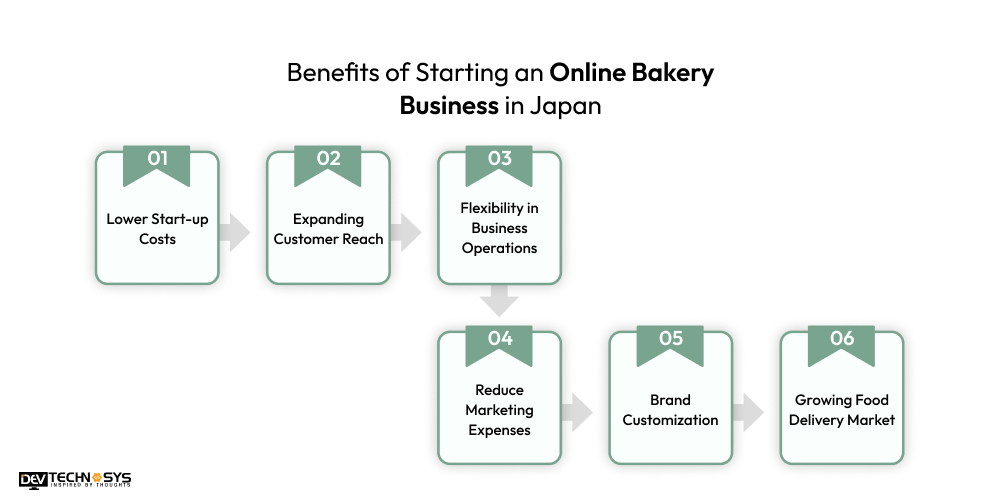
1. Lower Startup Costs
Running an online bakery lowers rent and maintenance costs by removing the demand for costly retail premises. Starting from a small commercial kitchen or a home kitchen lowers initial investment for business owners. Online sites save mobile app development cost by requiring less staff members. This economy permits more profit margins than in conventional bakeries.
2. Expanding Customer Reach
Unlike traditional establishments, an online bakery lets access to a bigger clientele by not limited to one area. Using social media and digital marketing can help companies draw consumers from all around Japan. Working with delivery companies like Uber Eats and Rakuten Delivery guarantees effective national distribution. This wide spread raises brand awareness and sales prospects.
3. Flexibility in Business Operations
Managing work schedules, product offers, and delivery choices becomes more flexible when one uses an online bakery. Entrepreneurs should invest their money in creating the best cake delivery apps to use for users. Without regard to store hours, seasonal or custom product introductions are readily controlled. While preserving profitability, this adaptability offers a balanced work-life solution.
4. Reduce Marketing Expenses
More reasonably priced than traditional advertising is digital marketing using social media, influencer partnerships, and SEO techniques. Instagram, Facebook, and internet ads let companies reach target markets with low initial outlay. Businesses must follow suitable methods for reducing the cost of starting an online bakery in Japan.
5. Brand Customization
An online bakery can concentrate on specialty markets including vegan, gluten-free, or handcrafted baked products. Custom-designed cakes and seasonal flavors are among the personalizing touches that improve client pleasure. It is good to hire dedicated developers for direct client engagement through online platforms. This niche distinguishes the company from rivals and helps build a devoted clientele.
6. GrowingFood Delivery Market
The fast growth of Japan’s online meal delivery sector makes now a perfect moment to enter the market. Online ordering and doorstep delivery have made baked products more convenient, which has raised demand on digital channels. Working with outside delivery companies guarantees better logistics and more sales possibilities. For online bakeries, this trend offers chances for long-term development.
Incredible Ways to Monetize a Bakery Business in Japan
Maximizing profitability in a bakery company running in Japan calls for several income sources. Using several strategies guarantees consistent development from internet sales to subscription models and alliances. Six great strategies are here for a bakery company in Japan to make money.
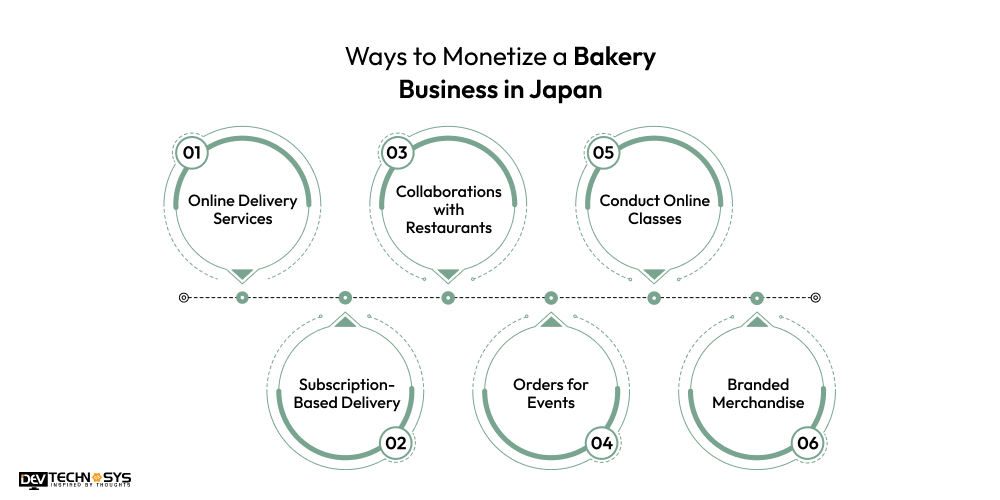
1. Online Delivery Services
Creating an e-commerce website for starting a home bakery business in Japan helps to increase client reach. Providing handy home delivery and online ordering draws families and working professionals. This guarantees steady revenue outside of depending just on foot traffic.
2. Subscription-Based Delivery
A fresh-baked goods monthly subscription business guarantees consistent income. Delivered right to their door, consumers can get a well chosen assortment of pastries, bread, or seasonal delicacies. By using on demand app development services you can guarantee regular income and fosters consumer loyalty.
3. Collaborations with Restaurants
Offering freshly made food to hotels, restaurants, and cafés generates a consistent wholesale income source. Developing relationships with nearby companies improves brand consistency and recognition. Large orders boost profitability and efficiency of manufacturing.
4. Orders for Events
Offering custom cakes, pastries, and desserts for business occasions, weddings, and birthdays generates strong margin sales. For distinctive, artisan baked products, customers are ready to spend top dollar. You can hire Android app developers who show workmanship and inventiveness to increase income.
5. Conduct Online Classes
Offering in-person or online baking courses lets clients pick up fresh skills and create additional money. Marketing digital courses or recipe ebooks generates a passive income source. Implement a suitable Japanese bakery business plan that builds brand trust and involvement as well.
6. Branded Merchandise
Offering bakery-branded goods as tote bags, mugs, and aprons will help to raise brand recognition. The integration of mobile app development services with DIY baking kits let consumers create trademark foods right at home. This keeps clients interesting and diversifies income sources.
Let’s Summarize!!
Now, you can start selling homemade baked goods in Japan through your newly established bakery business. As you have understood about different rules and regulations to start an online bakery business in Japan, it is important to maintain and make income through it. Let’s study some final points:
- To start a bakery business in Japan you need a better understanding of users’ interests.
- Study top business ideas for women to target small business domains and homemakers.
- You can build a bakery app to spread your business online.
It is necessary to analyze these key points before investing money to start an online bakery in Japan. This will help you to become a sole distributor in the country and help you to generate high revenue.
FAQs
1. What are the Legal Requirements to Start an Online Bakery in Japan?
Starting an online bakery in Japan requires you to register your company, get a Food Business License from local health authorities, and follow food safety laws. Should you be selling packaged items, you might additionally need labels approved. You also have to abide by Japan’s e-commerce and taxation rules.
2. How Much Does it Cost to Start an Online Bakery Business in Japan?
Starting an online bakery in Japan will cost different depending on things like equipment, ingredients, licensing, and website building. Whether you hire a commercial kitchen or bake from home, initial expenses typically fall between ¥500,000 and ¥3,000,000.
3. What is the Best Platform to Sell Baked Goods Online in Japan?
Popular sites in Japan for selling baked products are Shopify, BASE, Rakuten, and Amazon Japan. Social media sites like Instagram and LINE can also enable you directly reach consumers and boost sales. Furthermore enhancing branding and client experience is a dedicated website.
4. How do I Market my Online Bakery in Japan?
Use social media, food blogs, influencer relationships, local SEO, and web bakery marketing tools to draw clients for your online store. While loyalty programs and incentives drive repeat business, running focused advertising on Instagram, Facebook, and Google can assist raise brand recognition.
5. What are the Most Popular Baked Goods to Sell in Japan?
In Japan, popular baked products are Japanese soufflé cheesecake, melon pan, matcha-flavored pastries, and handcrafted European-style bread. Treats with seasonal and thematic themes like pastries flavored with sakura also draw more business.
6. How can I Ensure Food Safety and Quality When Selling Online?
Using fresh ingredients, keeping kitchen hygienic, adhering to correct storage methods, and properly packing items for distribution help to guarantee food safety. Following Japan’s food safety rules and precisely marking allergies also helps foster consumer confidence.