




















Where trust meets technology, payment gateways that protect every transaction.
Undeniably, behind every seamless online purchase, there is a robust payment gateway that works silently to secure transactions in seconds. In today’s digitally advanced world, payment gateways serve as a vital bridge between business growth and consumer convenience.
Payment gateways are defined as digital tools that process online payments securely between companies and consumers. You can’t deny that in today’s world, secure and seamless payment is essential and paramount. Payment gateways are offering a balance between speed and security, which is the backbone of modern e-commerce success.
Key takeaways:
-
- The global payment gateway market size is projected to reach USD 162.78 billion by 2032.
- The anticipated cost to develop a payment gateway ranges from $8,000 to $26,000.
- Businesses that invest in a payment gateway can earn extra income from strategies such as transaction fees, monthly/ subscription fees.
If you want to create a payment gateway that can transform the checkout process, increase conversions, and boost the trust of consumers. Then, let’s have a deep look at this blog, where you can find out the steps, cost, and features to build a payment gateway.
Market Statistics of Payment Gateway
- In 2022, the global payment gateway market was worth $26.79 billion.
- From 2023 to 2030, the market is expected to grow at a 22.2% annual rate. This growth is driven by the rise in digital payments and the global increase in cross-border e-commerce.
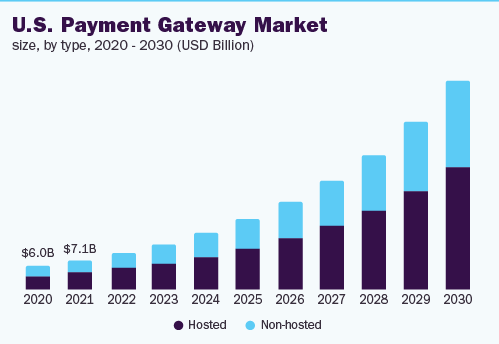
- The global payment gateway market is projected to reach $47 billion by 2025.
- The Payment Gateway Market size is expected to increase from USD 32.74 billion in 2024 to USD 162.78 billion by 2032.
What is a Payment Gateway?
A payment gateway is defined as the technology that merchants use to accept credit or debit card purchases from consumers. In simple terms, payment gateways act as middleman between consumers, the financial institution, and the merchant. Key functions of a payment gateway include authorisation, transaction routing, encryption, and settlement.
To deliver seamless customer experiences with on-demand app development solutions, businesses need to connect with reliable partners that help them integrate secure payment gateways, enabling real-time transactions, effortless checkouts, and trustworthy payment processing across multiple platforms and services.
4 Reasons Why Businesses Are Investing in Payment Gateways
Here, we will discuss the factors that motivate businesses to invest in payment gateways. If you want to develop a payment gateway like BlueSnap, consider these reasons to identify growth opportunities that will benefit your payment gateway.
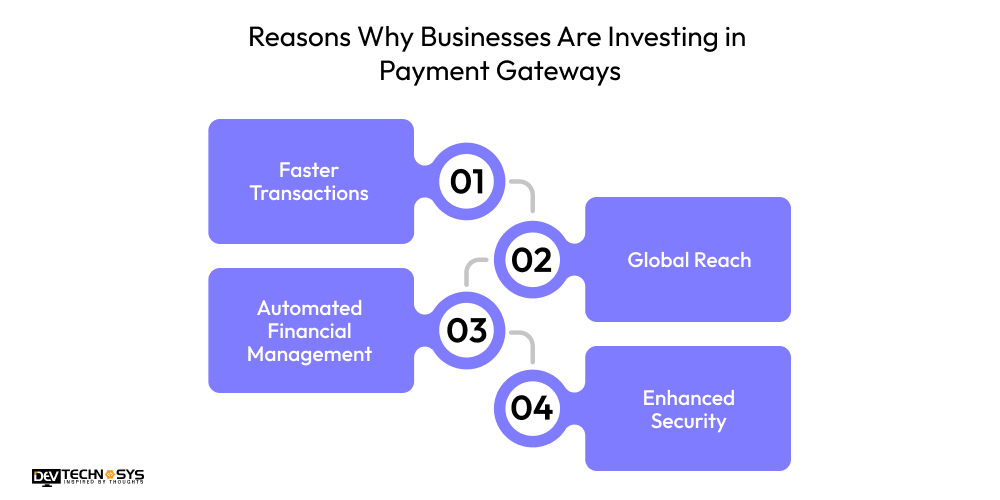
1. Faster Transactions
By investing in a payment gateway, businesses can achieve faster transaction speeds through automated payment processing. If you want to develop an online payment system, automation can speed up transaction times and improve cash flow.
2. Global Reach
Payment gateways offer businesses the opportunity to generate revenue from various geographical locations worldwide. A payment gateway with multi-currency support enables enterprises to reach multiple locations worldwide.
3. Automated Financial Management
Payment software solutions enable businesses to automate their financial management, streamlining processes such as reconciliation, billing, and refunds. This helps to reduce errors and allows firms to emphasise growth.
4. Enhanced Security
By investing in payment gateways, businesses can capitalize on the fastest-growing opportunities these gateways offer. These gateways provide fraud detection and advanced encryption, which helps companies protect the confidential data of their users. High trust of users increases sales and market reach.
Types of Payment Gateways
If you want to create a payment gateway, you need to be aware of its various types. This will help you build a safe, secure, and reliable payment gateway successfully. Let’s take a look at the table below to explore the various types of payment gateways.
Type |
Description |
Examples |
| Hosted Gateway | Redirects users to a third-party site to complete the payment | PayPal, Razorpay, 2Checkout |
| Self-Hosted | Merchant collects payment data and sends it to the gateway’s server | Custom-built solutions |
| API / Integrated | Processes payments directly on the merchant’s site via APIs | Stripe, Square, Braintree |
| Local Bank Gateway | Payment gateway provided by regional/local banks for domestic use | HDFC (India), iDEAL (Netherlands) |
| Platform-Based | Payment system integrated into e-commerce platforms or marketplaces | Shopify Payments, WooCommerce Payments |
| Crypto Payment Gateway | Accepts cryptocurrencies for payment | BitPay, Coinbase Commerce |
How AI Improves Payment Gateway Efficiency?
Artificial Intelligence (AI) is a driving force behind the continuous improvement of payment gateways. Advanced AI mechanisms are boosting security, streamlining transactions, and improving users’ experiences.
Machine learning algorithms and AI data analysis minimise financial risks and prevent fraudulent activities. With the help of AI-driven analytics, you can gain deep insight into consumer behavior.
This will help businesses increase their conversion rate and enhance the user experience. AI-based consumer support and Chatbots have significant potential, enabling entrepreneurs to resolve queries quickly.
Bonus:- Case Study on PAYCOINZ Crypto Payment Gateway Development
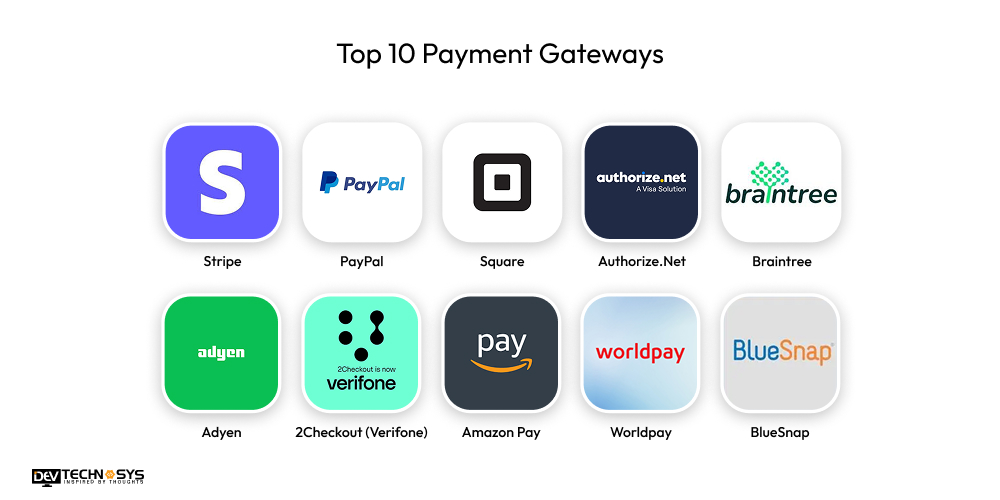
Top 10 Payment Gateways
Looking forward to build safe and secure payment gateways? You must also be aware of the top 10 payment gateways and the platforms on which they offer their services to users. This table will help you identify the platform on which you can connect with users, tailored to your budget and needs.
Payment Gateway |
Launch Year |
User Rating (out of 5) |
Platforms Available |
| Stripe | 2010 | 4.8 | Web, iOS, Android, SaaS |
| PayPal | 1998 | 4.6 | Web, iOS, Android, SaaS |
| Square | 2009 | 4.5 | Web, iOS, Android, POS |
| Authorize.Net | 1996 | 4.3 | Web, iOS, Android |
| Braintree | 2007 | 4.4 | Web, iOS, Android |
| Adyen | 2006 | 4.4 | Web, iOS, Android, POS |
| 2Checkout (Verifone) | 2000 | 4.1 | Web, iOS, Android |
| Amazon Pay | 2007 | 4.0 | Web, iOS, Android |
| Worldpay | 1997 | 4.1 | Web, POS, iOS, Android |
| BlueSnap | 2001 | 4.2 | Web, iOS, Android |
How to Create a Payment Gateway – Step-by-Step Guide
Want to create a payment gateway that is secure, reliable, and efficient? Let’s take a look at the mentioned steps. This step-by-step guide will help you to launch a payment gateway systematically.
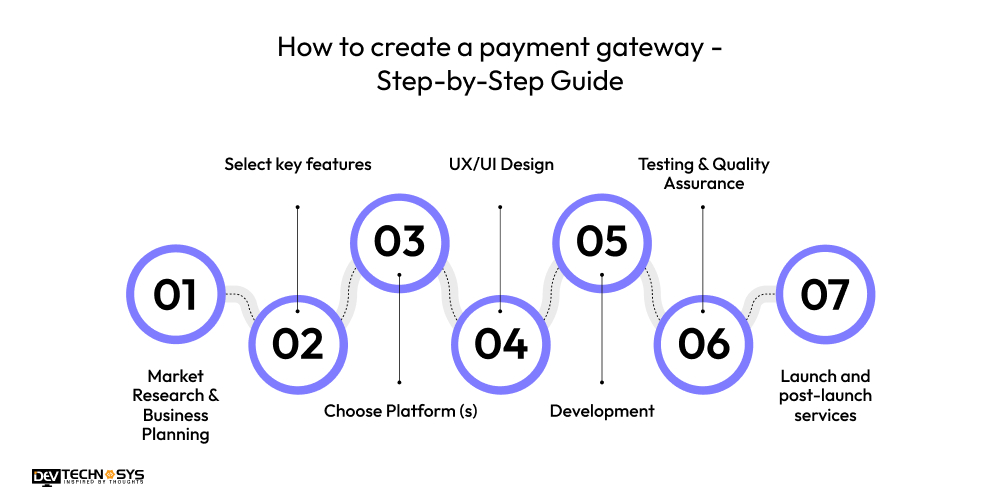
1. Market Research & Business Planning
At this stage of payment gateway development, you need to identify target users, competitors’ strategy, regulatory laws, and requirements. Businesses must create a business model and revenue strategy.
By connecting with a Fintech App Development company, entrepreneurs can create a roadmap to build a payment gateway that complies with local and global regulations.
2. Select key features
To build a payment gateway, the most essential thing entrepreneurs should consider is including several key features, such as fraud detection, mobile payments, and multi-currency support. For excellent user experience, businesses need to focus on integrating advanced security features in payment gateways.
3. Choose Platform (s)
The success of a payment gateway for websites can only be assured after you select suitable platforms to launch it. This allows businesses to connect with the right customers and increase scalability. By partnering with a fintech app development company, entrepreneurs can select suitable platforms, including Android, iOS, and cross-platform.
4. UX/UI Design
To build a payment gateway from scratch, the most crucial consideration is to integrate an intuitive design that offers a fast and secure user interface. Entrepreneurs must focus on creating a responsive layout, straightforward transactions, and error-handling facilities for both desktop and mobile use.
5. Development
To develop an online payment system, entrepreneurs need to consider creating a payment gateway with core functionalities, such as user authentication, a payment processing engine, and strong and secure API integration with card and bank networks.
6. Testing & Quality Assurance
With strong and efficient testing and quality assurance, businesses can ensure efficient, secure, and scalable performance of the payment gateway. Entrepreneurs must consider conducting functional testing and cross-platform compatibility. An app like PayPal maintains the efficiency of its payment gateways by conducting testing related to data protection.
7. Launch and post-launch services
To develop a payment gateway that delivers remarkable results and user satisfaction, you need to offer 24/7 consumer support to users, conduct regular compliance audits, and provide timely updates.
To have scalable eWallet app development services, businesses need to utilize expert devices, as this enables them to have biometric authentication and real-time transaction tracking facilities.
Want a chatbot demo or pricing? Fill the form and talk to our experts today.
Pick what you need below — you can select more than one — then tap Get detail to continue.
-
Chatbot demo dashboard
-
Cost to develop an app
-
Industry report
-
Case study
User Case Study of PayPal – A Payment Gateway
- PayPal was initiated in 1998 as a small fintech startup that focused on offering digital wallet services to users.
- Today, PayPal offers its services to over 400 million active users in more than 200 markets worldwide.
- In 2020, PayPal generated $21.45 billion in revenue, representing approximately 20.7% more than the $17.82 billion it earned in 2019. By 2024, its revenue had grown to $31.80 billion, representing a 6.8% increase from the previous year (2023).
10 Basic and Advanced Features of Payment Gateway
Let’s explore some fantastic features that you can integrate into your payment gateway to make it stand out from competitors. To create a payment gateway like Razorpay, incorporating advanced and basic features is essential, as it increases app scalability and reach.
Basic Features |
Advanced Features |
| 1. Multiple Payment Methods: Supports various payment options like credit/debit cards, UPI, wallets, and net banking, enhancing customer convenience. | 1. Multi-Currency Support: Allows businesses to accept payments in different currencies, facilitating international transactions. |
| 2. Secure Data Transmission: Utilizes encryption protocols to protect sensitive customer information during transactions. | 2. Recurring Billing: Automates subscription-based payments, ensuring timely and consistent revenue streams. |
| 3. Real-Time Transaction Processing: Enables immediate authorization and processing of payments, reducing delays and enhancing user experience. | 3. Fraud Detection and Prevention: Implements advanced algorithms to identify and mitigate fraudulent activities, safeguarding both merchants and customers. |
| 4. Mobile Compatibility: Ensures the payment gateway is optimized for mobile devices, catering to the growing number of mobile shoppers. | 4. Customizable User Interface: Provides options to tailor the payment interface to align with the merchant’s branding, offering a seamless customer experience. |
| 5. Easy Integration: Provides simple APIs and plugins for quick integration with websites and mobile applications. | 5. Detailed Reporting and Analytics: Offers insights into transaction data, helping businesses make informed decisions and optimize their payment processes. |
The Cost to Build a Payment Gateway
The cost to build a payment gateway ranges from $8,000 to $26,000. However, if you want to incorporate multiple features, AI, and conduct regular updates, then you might experience a sudden increase in cost. The cost to develop a payment gateway is also inclusive of UX/UI integration, maintenance, and third-party integrations.
By analyzing the cost structure properly, you can achieve straightforward payment gateway integration, which enables real-time transactions within your website or apps. This helps businesses to offer seamless checkout experiences for users while providing multiple payment options on a global scale.
Service Type |
Estimated Cost |
Development Time |
| Basic Payment Gateway | $7,500 – $11,500 | 2 – 4 Months |
| Standard Payment Gateway | $12,500 – $15,000 | 3 – 6 Months |
| Feature-Rich Payment Gateway | $24,000 – $25,500 | 5 – 6.1 Months |
| Custom Enterprise-Grade Payment Gateway | $26,200 – $34,000 | 6 – 9.2 Months |
Factors Affecting the Cost to Develop a Payment Gateway
Let’s identify the primary factors that can impact the cost to create a payment gateway. This will help you create a payment gateway on a proper budget. To develop an app like Stripe, you must consider these factors, as this helps to keep payment gateways within budget.

1. Features and Complexity
The cost to develop a payment gateway is affected by the number of features you want to have. Features such as fraud detection, multi-currency support, API integration, and recurring billing have a significant impact on the time and overall cost to build a payment gateway.
Feature Complexity |
Cost |
Timescale |
| Encryption and Multiple payment options | $2,200 – $4,200 | 1 – 1.2 Months |
| Intermediate | $4,500 – $9,600 | 2 – 3.1 Months |
| Advanced (AI, AR, Blockchain) | $5,800 – $9,900 | 3 – 4.1 Months |
2. Platform(s) Targeted
Several platforms on which you are planning to use payment gateways increase the cost. Different platforms such as web, iOS, and Android, have different cost structures.
Selecting these platforms increases your app development cost. You must connect with a POS software development company to have suitable interfaces that comply with security requirements.
Platform Complexity |
Cost |
Timescale |
| iOS, Android only, and Web | $2,300 – $4,800 | 1 – 1.2 Months |
| All (Native) | $5,200 – $9,200 | 2 – 3.1 Months |
| Cross-Platform | $5,600 – $9,400 | 3 – 4. 6 Months |
3. Design (UI/UX)
To make a mobile payment gateway visually appealing, UX/UI is crucial. Businesses should consider creating a user-friendly interface that is both visually appealing and easy to use. However, responsive layouts and efficient accessibility features increased the payment gateway development cost.
UI/UX Complexity |
Cost |
Timescale |
| Basic UI | $1,300 – $2,200 | 2 – 3.2 Weeks |
| Custom & Responsive UI/UX | $4,200 – $5,300 | 1 – 1.3 Months |
| High-End Interactive Design | $5,900 – $7,100 | 2.1 Months |
4. Third-Party Integrations
Payment gateways need to be integrated with card networks, banks, fraud monitoring tools, and KYC providers. This, however, increases the costs related to testing, API handling, and licensing, which in turn increases the payment gateway development cost.
Third-party integration Complexity |
Cost |
Timescale |
| Basic Backend (CRUD APIs) | $2,200 – $3, 800 | 2 – 3.1 Weeks |
| Scalable Backend + DB | $4,200 – $7,200 | 1 – 1.3 Months |
| Third-party Integrations | $4,300 – $6,200 | 1 – 2.2 Months |
5. Testing & Quality Assurance
The safety, security, and reliability of payment gateways can only be assured through proper testing and quality assurance. However, there are several forms of testing, such as functionality, security, and compliance, which increase the cost.
Testing Complexity |
Cost |
Timescale |
| Manual Testing Only | $9,000 – $1,500 | 2.1 Weeks |
| Manual + Automated Testing | $1,500 – $3,500 | 3 – 3.8 Weeks |
| Advanced Testing + Security Audits | $3,200 – $5,600 | 1.2 Month |
6. Maintenance and Updates
Due to compliance updates, bug fixes, feature enhancements, and security patches, you may experience a continuous increase in development costs. For a cost-effective payment gateway, you can connect with an Android application development company. This helps to have the proper blueprint in accordance with the budget.
Maintenance Complexity |
Cost |
Timescale |
| Basic (Bug Fixes, Minor Updates) | $1,600 – $3,700 | Monthly |
| Standard (Feature Updates, Monitoring) | $2,900 – $5,800 | Monthly |
| Premium (24/7 Support) | $6,400 – $9,200 | Monthly |

Essential Compliance Requirements For Payment Gateway Systems
To create a payment gateway, you must comply with specific standards and regulations. This will help you to generate payment gateways in a proper standard. Let’s examine some compliance measures that enable businesses to establish trust with their users.
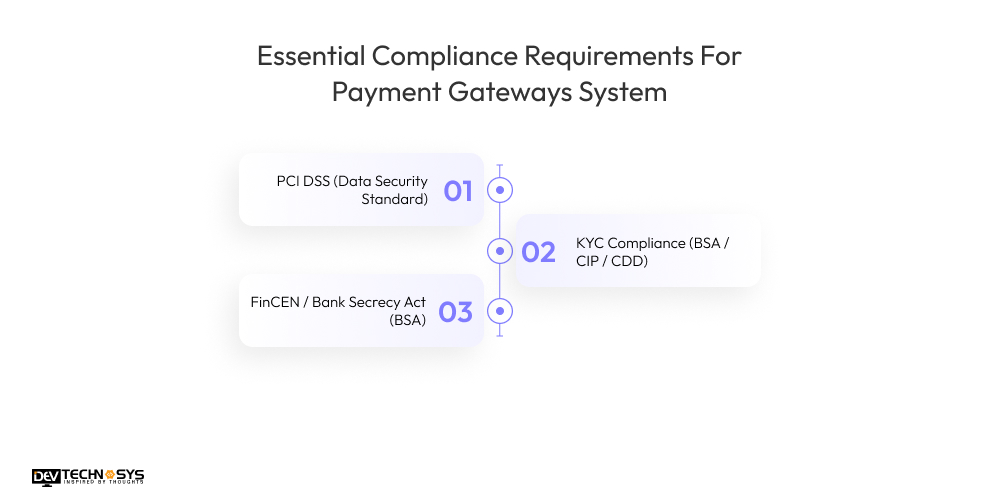
1. PCI DSS (Data Security Standard)
A payment gateway must adhere to and comply with the PCI DSS. This compliance helps secure cardholder data. It offers regular security testing, encryption, and access control, which helps prevent data breaches.
2. KYC Compliance (BSA / CIP / CDD)
Know Your Customer (KYC) involves verifying a consumer’s identity through consumer identification programs (CIP) and consumer due diligence (CDD) measures. Compliance with these requirements helps businesses prevent money laundering, fraud, and identity theft. With this, you can ensure the trust of payment gateway users.
3. FinCEN / Bank Secrecy Act (BSA)
According to this compliance, businesses must establish a payment gateway with proper monitoring to prevent suspicious financial activities. Under this, you must maintain transaction records and work with FinCEN to combat terrorist financing and money laundering.
Technology Stack of Payment Gateway
Let’s examine the payment gateway architecture and technology stack to determine the necessary technologies for creating a successful and seamless payment gateway.
Component |
Purpose |
Popular Technologies |
| Frontend | User & merchant interfaces | React.js, Angular |
| Backend | Core logic & payment processing | Node.js, Java (Spring), Python (Django) |
| Database | Store transactions & user data | PostgreSQL, MongoDB |
| APIs | Integration with merchants & apps | RESTful APIs, OpenAPI, GraphQL |
| Authentication | Secure user access | OAuth 2.0, JWT, MFA |
| Encryption | Secure data transmission & storage | TLS/SSL, AES-256, RSA |
| Tokenization | Protect card data | Custom vaults, AWS KMS |
| Payment Processor | Connect to banks/networks | ISO 8583, Visa/MC APIs |
| Fraud Detection | Prevent suspicious activity | Sift, Machine Learning (Python, TensorFlow) |
| Hosting | Cloud infrastructure | AWS, Google Cloud, Azure |
| DevOps | Deployment & scaling | Docker, Kubernetes, Jenkins |
| Monitoring | Track system health & logs | Prometheus, ELK Stack |
How to Make Money From a Payment Gateway?
Undeniably, creating a payment gateway requires investment, and unforeseen events may arise that increase the budget. However, here, we will discuss how you can earn extra money through payment gateways.
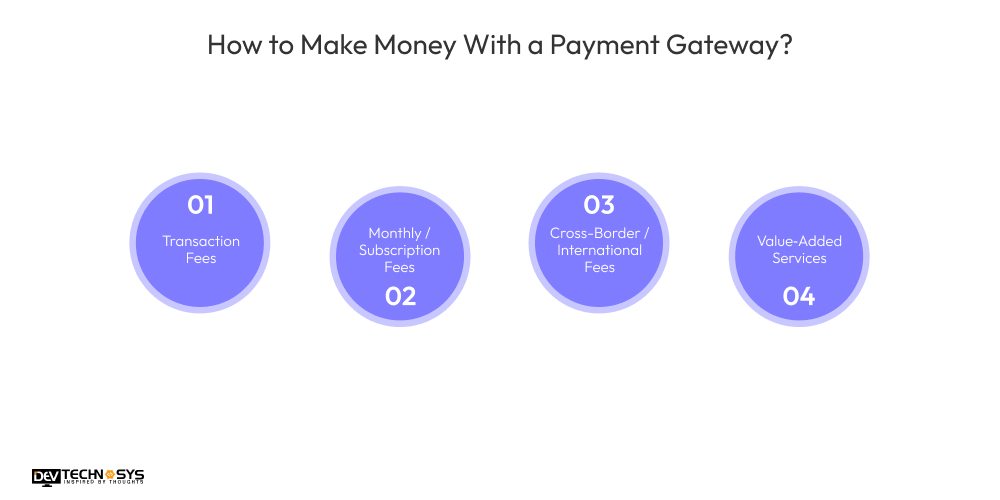
1. Transaction Fees
Entrepreneurs can earn some extra income from payment gateways by charging a certain percentage or flat fee per translation from users. This strategy provides businesses with a steady income source. Partner with an iOS application development company to integrate transaction fees as a revenue source in your payment gateways.
2. Monthly / Subscription Fees
Businesses can generate recurring revenue by offering merchants monthly and tiered pricing plans. In these plans, you can provide advanced analytics, features, and support, and can also earn a consistent fee structure.
3. Cross-Border / International Fees
You can earn extra income in the form of gateway charges for cross-border payment systems, which are an additional fee for processing international payments. With this charge, businesses can increase margins on global transactions.
4. Value‑Added Services
By offering additional features, such as analytics, fraud detection, and loyalty programs, to users, you can generate extra income. Merchants who want to access premium tools can do so by paying an additional fee.
Conclusion
As discussed in the above blog, we have now concluded that, in today’s modern, fast-paced digital environment, it is essential to have an online transaction system. Businesses need to connect with a trusted mobile app development partner that allows them to integrate a secure payment solution tailored to their needs.
To create a payment gateway, you must partner with a mobile app development agency to develop a custom payment gateway solution, a scalable digital wallet gateway, and seamless payment API integration. With the right approach, you can ensure that to offer a smooth experience to users.
Frequently Asked Questions
Find answers to the most common questions related to this article.
The average cost to make a payment gateway is $8,000 to $26,000. However, this cost increase primarily affects features, UX design, platform, and the number of updates required for payment gateways.
The estimated time to develop a payment gateway is 2-3 months. However, maintenance and testing increase the time required for developing the payment gateway.
Key features of a payment gateway include multiple payment methods, multi-currency support, secure data transmission, fraud detection and prevention, mobile compatibility, and detailed reporting and analytics.
A payment gateway generates revenue from multiple sources, including transaction fees, monthly/ subscription fees, cross-border/international fees, and value-added services.