















Key takeaways:
-
- The cost to build a baby tracking app like BabyTime is around $8,000 to $25,000, depends on the specific requirements and demands.
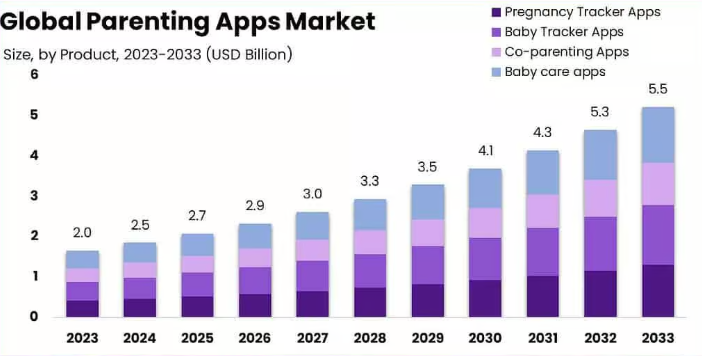
- The global baby tracking applications were valued at around $2.0 billion in 2023, and it is projected to increase to around $5.5 billion by the end of 2033.
- Apps like Huckleberry, BabyCenter, and Glow Baby make parenting modern, manageable, and seamlessly woven into everyday life.
If you’ve ever seen a baby tracking app like BabyTime, you know how helpful it is for parents.
It helps them keep track of things like feeding times, diaper changes, sleep, and more.
Building a baby tracking app might sound hard, but with the right tools and a good plan, even beginners can learn how to do it.
First, you need to know what features you want, like timers, notes, and reminders.
Then, you can use simple coding tools or app builders to create the app.
You’ll also need to design the app so it’s easy to use. This kind of app helps parents stay organized and take better care of their baby.
Making it can be fun and a great way to learn about technology.
In this blog, we will show you how to build a baby tracking app like BabyTime and how it can be beneficial for businesses.
Let’s start!
Present and Future Market Projections of Baby Tracking Applications
- According to the global market, the baby tracking apps market is expected to grow from $2.0 billion in 2023 to $5.5 billion by the end of 2033.
- As per the recent study, the baby tracking platforms or applications hold the highest revene share of 6% from parenting applications.
- With deep research, the Android system segment in the baby tracking market records its dominance in 2024 with a market share of around 4%.
- In terms of geography, North America dominated the parenting app market in 2023, accounting for almost 7% of the market. This region brought in USD 0.7 billion in revenue.
What is BabyTime?
BabyTime is a baby tracking app designed to help parents monitor and manage their newborn’s daily activities. It allows users to log feedings, diaper changes, sleep patterns, growth, and medical information. The app offers helpful insights, reminders, and synchronization between caregivers. Baby tracking app like Huckleberry and BabyTime aims to simplify parenting by providing an organized, all-in-one tool to track a baby’s development.
Success Story: BabyTime
- BabyTime launched in early 2021, offering parents a smart way to track baby sleep, feeding, and growth.
- Within three months, BabyTime gained 100,000 downloads due to strong word-of-mouth and parenting community support.
- For the feature enhancements and hiring backend team, the BabyTime application raised $500K seed funding from angel investors.
- The baby tracking applications expand their business to over 20+ countries with local versions and support multiple languages.
- Won “Best Parenting App” at Global App Awards 2023 and featured in Forbes HealthTech Innovators list.
- Grew team from 5 to 40 employees, including developers, consultants, and customer care professionals or experts.
Different Types of Baby Tracking Applications
Discover the various baby tracking apps designed to monitor feeding, sleep, diaper changes, growth, and health. These tools help parents stay organized, track milestones, and ensure their baby’s well-being with ease and convenience.
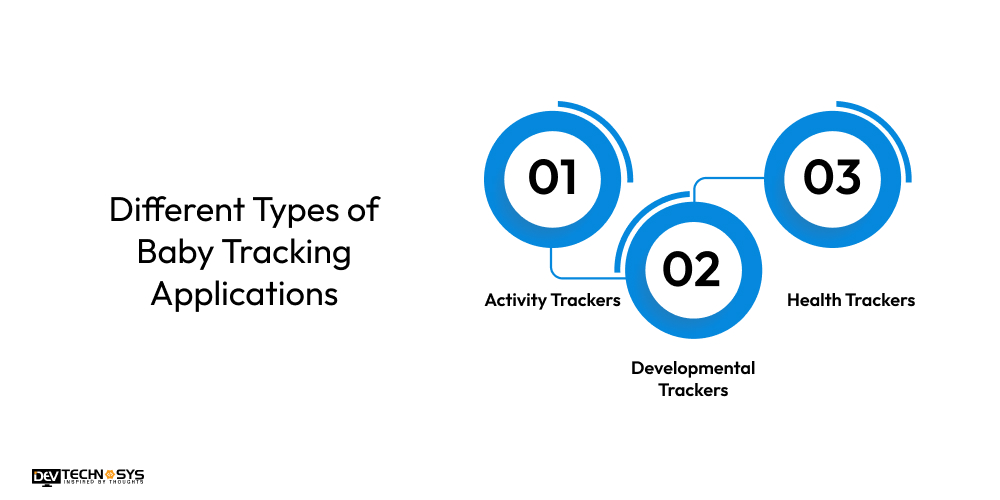
1. Activity Trackers
These apps help parents monitor daily routines like feeding, sleep, diaper changes, and bath times. They provide a timeline view of daily habits, help establish consistent schedules, and ensure parents don’t miss important care routines. Great for building structure during the early months and identifying behavioral patterns over time.
2. Developmental Trackers
These baby tracking app development solutions track cognitive, emotional, and motor development milestones, such as first words, sitting up, or crawling. They provide age-appropriate activities, tips, and alerts based on child development guidelines. Ideal for ensuring babies meet developmental goals and for early detection of potential delays or behavioral concerns.
3. Health Trackers
Health-focused baby tracking apps store medical records, track vaccinations, record medications, and monitor symptoms or temperature changes. They often include growth charts based on WHO standards. Useful for pediatric visits, these apps help parents stay organized and informed about their baby’s overall physical health and medical history.
10 Successful Baby Tracking Apps
Explore the wide range of existing baby tracking apps that have gained huge popularity and success rates. So, let’s take a look at the successful baby tracking applications:
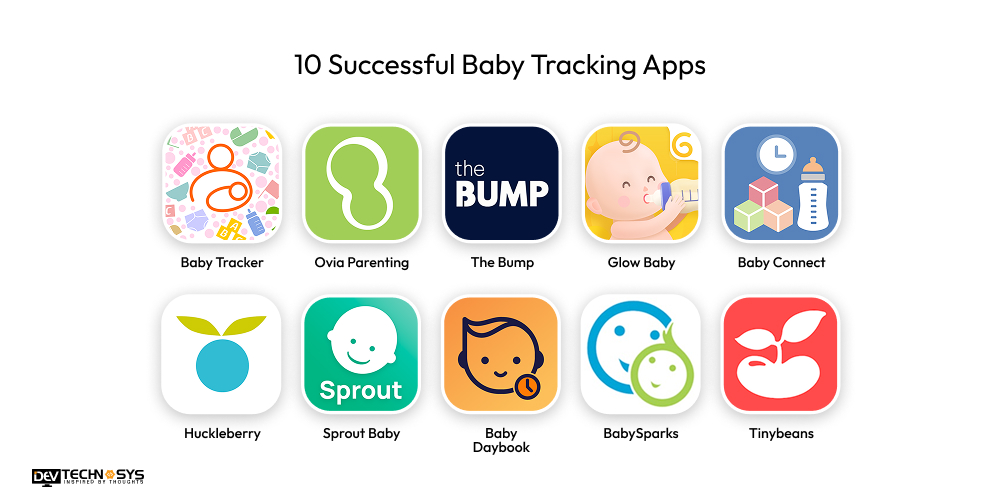
| App Name | Launch Year | Platforms | Avg. Rating | Estimated Downloads |
| Baby Tracker | 2012 | iOS, Android | 4.7 | 5M+ |
| Ovia Parenting | 2013 | iOS, Android | 4.6 | 1M+ |
| The Bump | 2008 | iOS, Android | 4.7 | 1M+ |
| Glow Baby | 2014 | iOS, Android | 4.6 | 500K+ |
| Baby Connect | 2010 | iOS, Android, Web | 4.8 | 100K+ (paid app) |
| Huckleberry | 2018 | iOS, Android | 4.5 | 1M+ |
| Sprout Baby | 2020 | iOS, Android | 4.6 | 1M+ |
| Baby Daybook | 2014 | iOS, Android | 4.7 | 1M+ |
| BabySparks | 2015 | iOS, Android | 4.6 | 1M+ |
| Tinybeans | 2012 | iOS, Android, Web | 4.7 | 1M+ |
Why do Entrepreneurs Want to Invest in Baby Tracking App Development?
Entrepreneurs invest in baby tracking app development due to the growing demand, recurring revenue potential, and AI-driven innovation. These best app for baby tracking offer global scalability and meaningful social impact. They combine profitability with purpose in the expanding parenting tech market.
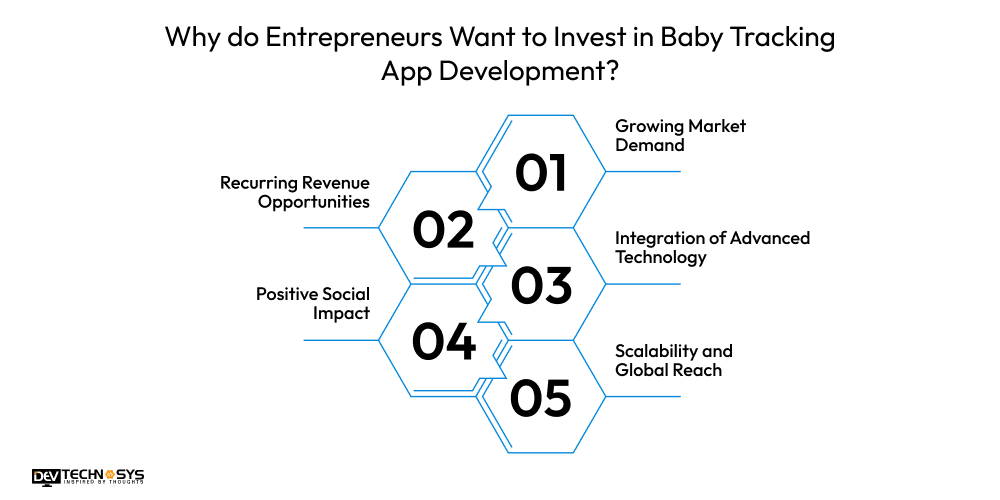
1. Growing Market Demand
With millions of new parents globally, there’s a rising need for reliable tools that simplify baby care. Baby tracking apps address this demand by offering convenient, digital solutions for monitoring feeding, sleep, health, and development. Entrepreneurs see huge potential in a continuously expanding user base.
2. Recurring Revenue Opportunities
The mental health app development solutions often adopt subscription-based models, offering premium features such as personalized insights, expert advice, and advanced analytics. This creates steady, recurring income streams. Additionally, in-app purchases and partnerships with baby product brands open further monetization avenues, making the investment financially attractive.
3. Positive Social Impact
Baby tracking apps empower parents by reducing anxiety and helping them make informed decisions about their child’s health and development. Entrepreneurs are motivated by the meaningful social benefits, which also enhance brand reputation and user loyalty, important factors in today’s socially conscious market.
4. Integration of Advanced Technology
Incorporating AI and machine learning allows these apps to offer predictive analytics, personalized care recommendations, and automated tracking. Entrepreneurs are keen to build a pregnancy monitoring app like Ovia to differentiate their products and improve user engagement, positioning their apps as indispensable parenting tools.
5. Scalability and Global Reach
Digital baby tracking apps can easily scale across markets with multilingual support and localization features. Entrepreneurs recognize the opportunity to capture diverse international audiences, increasing growth potential. The universal nature of parenting ensures broad appeal, making these apps attractive investments.
How AI can Help Baby Tracking Apps to Perform Their Tasks?
- AI predicts a baby’s sleep patterns, helping parents optimize nap schedules and improve overall sleep quality.
- Machine learning analyzes feeding habits to suggest personalized nutrition plans and detect potential allergies or issues early.
- AI-powered voice recognition enables hands-free logging of activities, making tracking easier during busy parenting moments.
- Smart reminders adapt to the baby’s changing routines, ensuring timely notifications for feeding, medication, and diaper changes.
- Image recognition tracks developmental milestones by analyzing photos or videos, identifying key motor skill progress automatically.
- AI detects unusual patterns in health data, alerting parents and pediatricians to potential concerns like illness or growth delays.
7 Major Steps to Build a Baby Tracking App Like BabyTime
To develop a baby tracking app like BabyTime, observe the development steps in depth for successful mobile app development. We provide the development process from the initial stage to final post-launch maintenance services. So, here we offer the baby tracking mobile app development process:
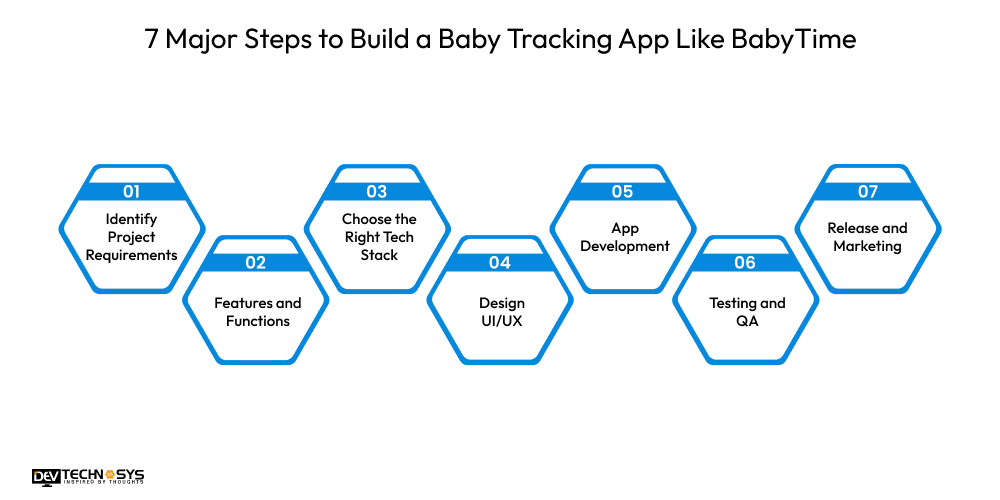
1. Identify Project Requirements
Let’s start the first stage to build an app like BabyTime, to identify the basic and advanced requirements of your project, and make a structured list of demands. After that, research the market to determine which baby tracking apps are in high demand and understand their strategies and functionalities.
2. Features and Functions
Moving to the second step to create an app like BabyTime, select the core and advanced features for your project. It includes various features that must be integrated, such as real-time monitoring, diaper tracking, growth charts, health log, offline access, and more. There are many features that are highly paid, so choose according to your project budget.
3. Choose the Right Tech Stack
In the third stage of BabyTime app development, hire mobile app developers to choose the best technologies for a successful and reliable mobile app development. It includes various types of tech stacks such as cloud storage, database, front-end frameworks, APIs, programming languages, and backend frameworks.
4. Design UI/UX
Entering the fourth stage to develop an app like BabyTime, design a simple and unique user interface with the help of designing tools such as Figma, Sketch, InVision, and Adobe XD. The user-friendly interface enables users to easily access or navigate all the functionality of the app. It includes premium themes, rich plugins, templates, elements UI, fonts, and more.
5. App Development
Move ahead to the fifth stage to make a baby tracking app like BabyTime, hire healthcare app developers to start the real coding, and build functions and customized features. Implement the third-party tools and applications, such as social media integrations, payment gateway APIs, and many more. Using robust programming languages to build a strong backend to easily handle a high number of operations.
6. Testing and QA
In the sixth stage, to build a similar app like BabyTime, test the application before launching it to the app stores. Conduct the various testing techniques, such as functional, security, unit, and integration, to find bugs and errors. Make sure that all the services and features of the app are working perfectly and pass the quality check.
7. Release and Marketing
Finally, launch the app on the selected platforms such as Android, iOS, and cross-platform. For a successful launch, hire experienced developers from a mobile app development company to ensure that all the data and integrations are successfully released. After that, start the marketing campaigns to promote the app and reach wider audiences. It includes digital marketing, content marketing, email marketing, and affiliate marketing.

What Are the Advantages for Users of Baby Tracking Apps?
Baby tracking apps assist the parents in recording the necessary routines, health stats monitoring, and easy tracking of typical milestones for expert baby care. Personal insights saving time In general, these apps relieve pressure and give parents the assurance to make proper decisions.
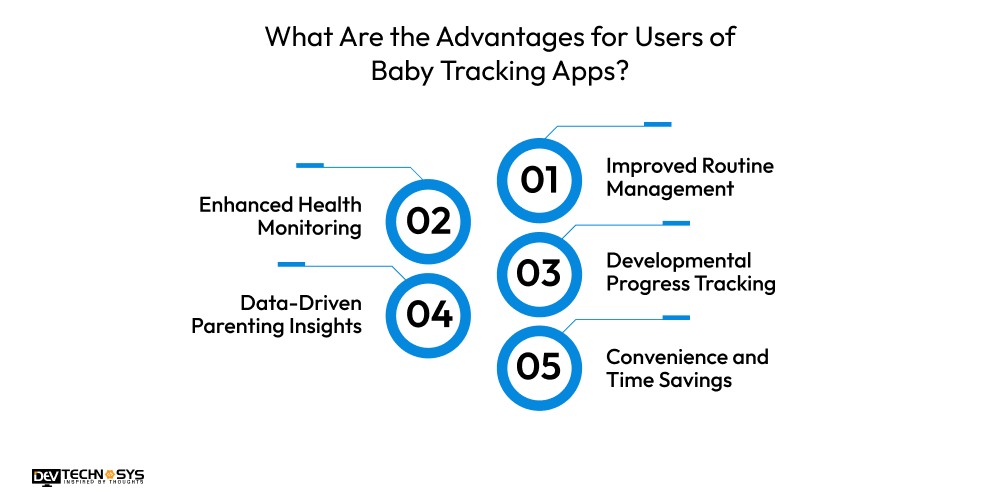
1. Improved Routine Management
These baby tracking apps allow parents to regulate feeding, sleeping and diaper changing schedules. The arrangement decreases anxiety, helps prevent problems on time and encourages proper care of the child and parents’ sanity is better preserved as this calming ritual formulates smoothness in daily routines.
2. Enhanced Health Monitoring
With these apps, you can keep important data like medical records, vaccinations, and symptoms in a single place. This will make it easy for parents to share up-to-date, accurate health data with pediatricians, and early detection of illnesses and more well-informed medical decisions can help them in better managing their baby’s health overall.
3. Developmental Progress Tracking
Also, parents can track key landmarks of baby development like the time when they crawl, walk, and talk, but soon enough, the child grows up and things fade out. Follow-up on Progress: Monitoring development ensures the identification of potential time delays. It provides personalized feedback and interactive activities to help your little angel build up more IQ points, leading to improved developmental outcomes.
4. Data-Driven Parenting Insights
By using AI and analytics, these baby tracking apps help in generating custom insights from the data that has been logged. Parents receive tailored recommendations, optimized schedules, and alerts, helping them make informed decisions and confidently adjust care routines for their child’s unique needs.
5. Convenience and Time Savings
By consolidating baby care tasks in one app, parents save time and reduce mental load. Features like reminders, voice input, and automated reports simplify daily caregiving, making parenting less overwhelming and allowing more quality time to focus on bonding and enjoying moments.
10 Must-Have Features of a Baby Tracking App Like BabyTime
Let’s explore the basic and advanced features of baby tracking applications. These features ensure that your app similar to BabyTime, is not just functional but becomes a trusted daily tool for parents navigating early childhood care.
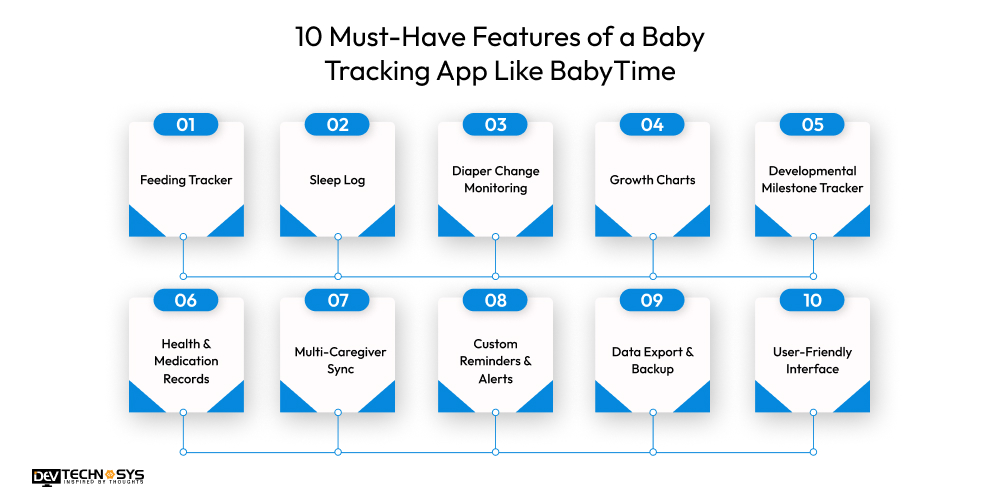
1. Feeding Tracker
The best baby tracking app tracks breastfeeding, bottle feeding, formula intake, and pumping sessions with timestamps and quantities to monitor the baby’s nutrition.
2. Sleep Log
The BabyTime alternatives track sleep patterns and nap durations to help identify trends, ensuring the baby receives adequate rest.
3. Diaper Change Monitoring
The best baby tracker app offers logging wet, dirty, or mixed diapers to help monitor digestion, hydration, and overall health.
4. Growth Charts
BabyTime clone app visualizes weight, height, and head circumference over time with charts aligned to WHO or CDC standards.
5. Developmental Milestone Tracker
Log key milestones (smiling, crawling, first words) and receive age-appropriate tips or reminders.
6. Health & Medication Records
The baby milestone tracker app tracks vaccinations, temperature, medications, doctor visits, and symptoms all in one place.
7. Multi-Caregiver Sync
The BabyTime clone apps enable real-time sync across multiple caregivers or family members to keep everyone updated.
8. Custom Reminders & Alerts
The best app for tracking baby schedule set reminders for feedings, naps, medications, or diaper changes to support consistent care.
9. Data Export & Backup
BabyTime alternatives enable the export of logs as PDFs or spreadsheets for pediatric appointments, or backing up to the cloud for added safety.
10. User-Friendly Interface
The BabyTime clone app features a clean, intuitive UI with icons, color coding, and dark mode options, making it ideal for tired parents managing late-night routines.
The Cost to Build a Baby Tracking App Like BabyTime
The cost to develop a baby tracking app like BabyTime is around $8,000 to $25,000 or higher, based on the special requirements and demands. Several factors can affect the overall baby tracker app development cost, including a high number of features, functions, project complexity, deployment platforms, and more.
It has some additional or extra factors that can also influence the cost, such as security measurements, testing, development team, and more. Let’s check the cost table to get the estimated cost:
| Feature/Component | Estimated Cost (USD) |
| UI/UX Design | $1,000 – $2,500 |
| User Authentication | $800 – $1,500 |
| Baby Profile Management | $800 – $1,500 |
| Core Tracking Features | $2,000 – $5,000 |
| Data Sync & Cloud Storage | $1,000 – $2,500 |
| Notifications & Reminders | $500 – $1,500 |
| Reports & Basic Charts | $800 – $2,000 |
| Testing & QA | $600 – $2,000 |
| Project Management & Coordination | $500 – $1,500 |
Estimated Cost: $8,000 – $25,000+
What Are the Factors that Impact the Baby Tracking App Development Cost?
To develop a baby tracking app like BabyTime within a fixed budget, you need to know about the cost-affecting factors for avoiding them. There are several factors that highly impact the overall baby tracking app development cost. So, let’s figure out the wide range of crucial factors:
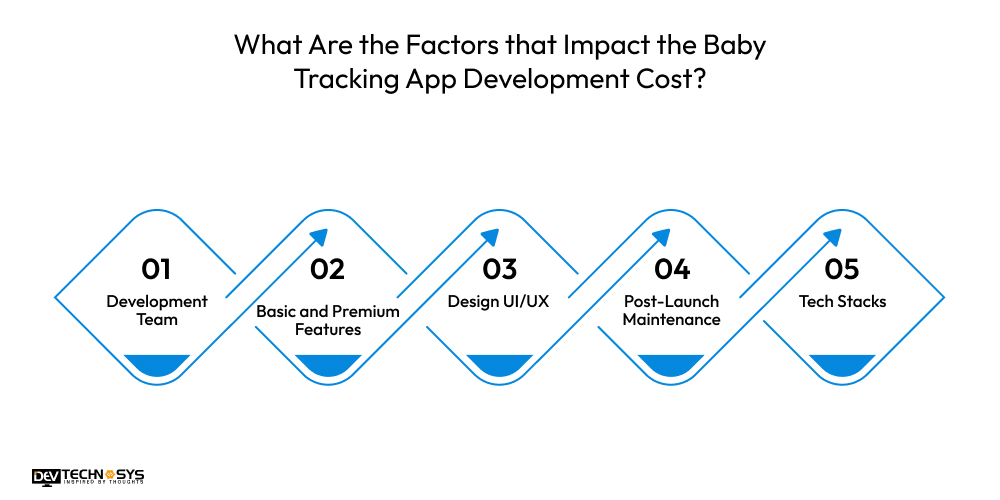
1. Development Team
In the first cost-affecting factor, the development team can be one of the crucial factors that can highly affect the cost to create a pregnancy tracking app. If a business’s project size or complexity is high, then they need to hire experienced developers, but they demand higher salary packages. Average experienced developers have a lower salary, so choose developers based on the project requirements.
| Team Type | Estimated Cost (USD) |
| Freelancers | $4,000 – $8,000 |
| Outsourced Agency | $7,000 – $12,000 |
| In-House Team | $12,000 – $25,000+ |
| Hybrid Model | $8,000 – $15,000 |
2. Basic and Premium Features
Moving to the second factor, basis and premium features are the most common cost-affecting factor. It is simple: if businesses implement highly paid features, then the BabyTime app development cost is increased. It includes various premium functionalities that are paid for, such as multi-Caregiver sync, advanced reports & trends, voice logging, and more.
| Feature Type | Estimated Cost (USD) |
| Basic Features | $2,000 – $4,000 |
| Premium Features | $3,000 – $8,000 |
| Data Export | $500 – $1,000 |
| Multi-Caregiver Sync | $1,000 – $2,000 |
3. Design UI/UX
Coming to the third factor, designing a unique or attractive user interface can lead the way to influence the overall mobile app development cost. Various design tools are more expensive to implement, such as Figma, Sketch, Adobe XD, and InVision. It includes many design elements such as high-quality themes, fonts, templates, navigation bars, built-in plugins, and more.
| Design Level | Estimated Cost (USD) |
| Basic Design | $1,500 – $2,500 |
| Mid-Level Design | $2,000 – $3,000 |
| Advanced Design | $3,000 – $4,000 |
| Design System & Guide | $500 – $1,000 |
4. Post-Launch Maintenance
There are various post-launch maintenance services that can incur higher expenses, and they can easily change the overall BabyTime app development cost. It includes various services such as upgrading OS versions, regular updates, new third-party integrations, fixing security patches, solving bugs or errors, and improving performance. So, these post-launch maintenance services increase the baby tracking app development cost.
| Maintenance Type | Estimated Annual Cost (USD) |
| Bug Fixes | $500 – $1,000 |
| Feature Enhancements | $800 – $1,500 |
| Platform Compatibility | $500 – $1,000 |
| Cloud & Server Costs | $300 – $800 |
5. Tech Stacks
In the last factor, every entrepreneur or business wants to select the best tech stack for their project’s success. But some of the tech stacks are paid, and that can influence the cost to create an app. It includes cloud storage, database, programming languages, APIs, testing, security, and design tools. So, you need to choose some affordable tech stacks to maintain the overall budget.
| Tech Option | Estimated Cost (USD) |
| Flutter (Cross-Platform) | $1,500 – $3,000 |
| React Native | $1,500 – $3,000 |
| Native iOS (Swift) | $2,000 – $3,500 |
| Native Android (Kotlin) | $2,000 – $3,500 |
5 Money-Making Techniques of Baby Tracking Apps Like BabyTime
It’s excellent to build baby tracker apps. But you have no idea how to create money from these applications. No need to scroll anymore. We provide the right money-making strategies that help businesses to generate new revenue streams.
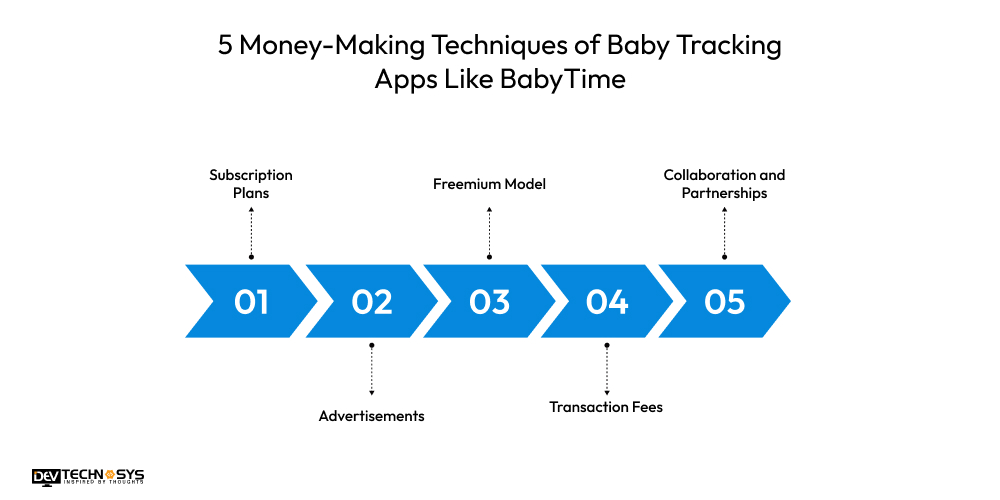
1. Subscription Plans
In the first money-making technique, the baby tracking apps offer various subscription plans such as basic, premium, and enterprise. With the help of these subscription plans, users can access the full potential of the app, meaning they can enjoy the benefits of advanced functionalities. So, it can increase the full valuation of the business.
2. Advertisements
Let’s talk about the second monetization model, healthcare app development solutions, which allow third-party businesses to show their products as advertisements in your app. You can charge acceptable fees; it can be another income source. There are several types of advertisements, such as display, native, video, and banner.
3. Freemium Model
Coming to the third monetization technique, baby tracking applications come with basic features and services, and users can access only limited features. If they want to access the unlimited features, then they have to purchase the additional functions. So, the freemium model can generate new income sources.
4. Transaction Fees
In the fourth money-earning scheme, transaction fees are one of the most common money-generating techniques. If users purchase the subscription plans, additional features, and products, then transaction fees are added to the total payment. The transaction fees must be 2% to 3% of the overall payment. According to the pregnancy app development company, it can be another profit-generating opportunity for businesses.
5. Collaboration and Partnerships
Moving to the last monetization model, partnerships or collaborations with related businesses or organizations, and sell their products or services on your platform. With that, you can charge a commission on every sale. The commission would be fixed at around 8% to 12%. So, these partnerships with others can easily increase the overall valuation.

How Dev Technosys Will Help You to Build a Baby Tracking App Like BabyTime?
We are standing at our last conversation. In this above, we talked in detail about how to build a baby tracking app like BabyTime and why it is beneficial for businesses. This blog clearly indicates that building BabyTime clone apps is a lucrative opportunity. We also explore the various money-making techniques and estimate the cost of development.
With the help of Dev Technosys, a leading baby tracking app development company, businesses can build a budget-friendly application with customized features.
Frequently Asked Questions
Q1. How Much Does it Cost to Build a Baby Tracking App Like BabyTime?
The cost to develop a baby tracking app like BabyTime lies between $8,000 and $25,000. It can be changed due some factors such as premium features, functions, project complexity, infrastructure, deployment platforms, and more.
Q2. How Long Does it Take to Create a Baby Tracking App Like BabyTime?
To create a baby tracking app like BabyTime, it usually takes around 4 to 8 weeks. The overall development time normally depends on a few reasons, such as the project’s higher complexity, the number of features, and the developers’ working hours.
Q3. What Type of Technologies Are Used to Make a Baby Tracking App Like BabyTime?
Here is the list of technologies that are used to make a baby tracking app like BabyTime:
- JavaScript
- React Native
- Java
- Python
- C++
- Swift
Q4. What Challenges Occur During Baby Tracking App Development?
There are various challenges that occur during baby tracking app development:
- Data accuracy issues
- Syncing between devices
- Cross-platform consistency
- UI for parents
- Multiple baby profiles
Q5. What Are the Core Features that Must be integrated in a Baby Tracking App?
Here we provide the list of core features:
- Baby profile setup
- Health records
- Sleep tracker
- Daily summaries
- Milestone tracker