


















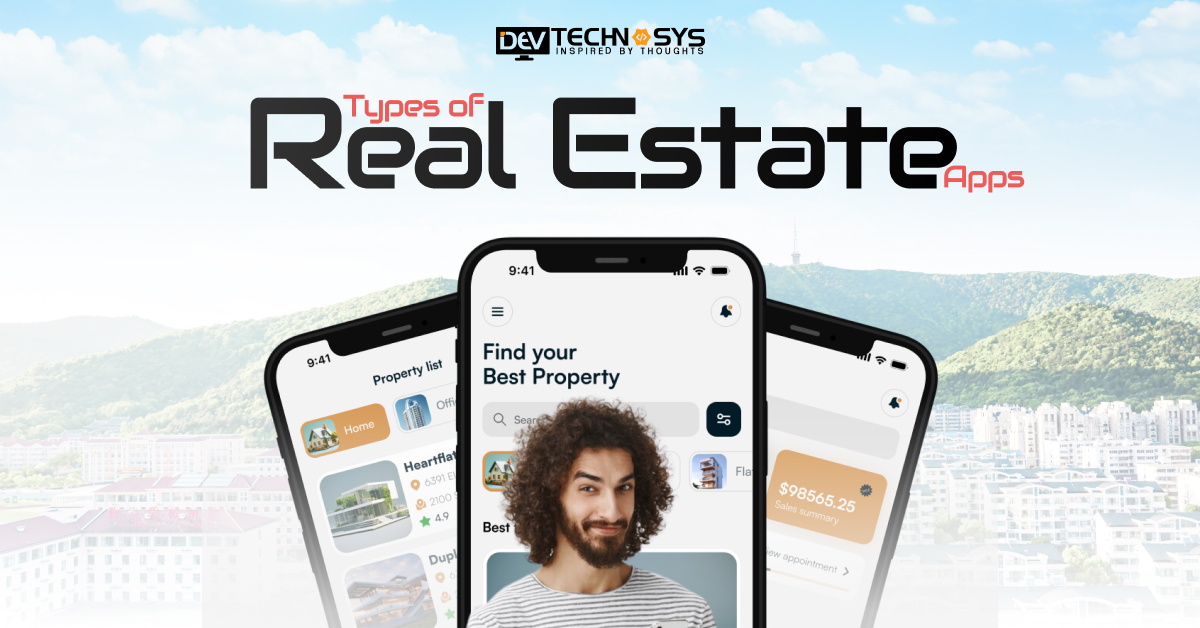
The real estate market of 2026 is more than just listings; it’s about the spells, experience, and intelligence. In today’s digital-first era, real estate aggregator apps have transitioned into robust digital ecosystems, and buyers, renters, investors, and agents increasingly depend on mobile-first solutions. Real estate apps are reshaping the way people discover, evaluate, and close property deals. From AI-driven property recommendations to immersive virtual tours, real estate CRM apps are modern solutions to property-related issues.
But what real estate mobile apps are there? Well, that’s exactly what we are going to find out in this blog. Whether you are a startup founder, a property developer, or an enterprise planning to build the next big platform, it is crucial to understand the different types of real estate apps in 2026. It marks the first step towards tapping into this rapidly advancing tech-driven real estate market.
Real Estate App Market Stats
- The real estate software market size is forecast to increase by USD 7.2 billion, at a CAGR of 10.22% between 2023 and 2028.
- The Cloud-based segment was valued at USD 4.76 billion in 2018 and is expected to grow gradually over the forecast period.
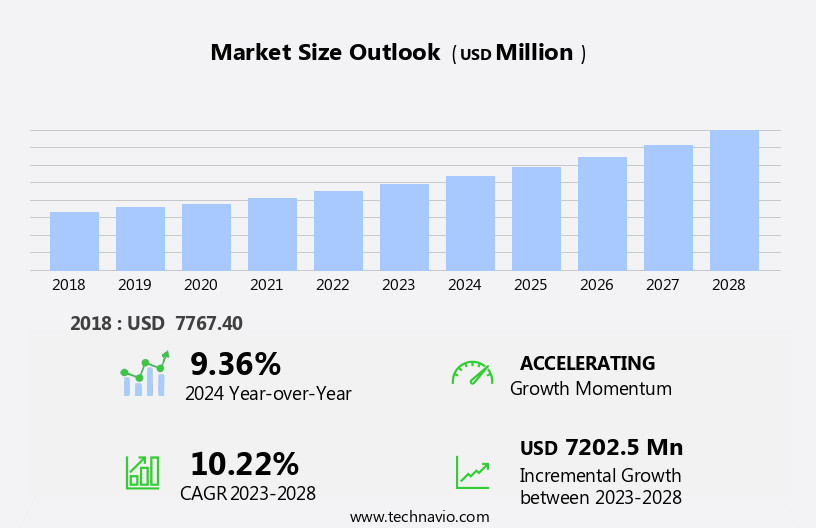
- Detailed information on factors that will drive the growth and forecasting between 2024 and 2028.
- North America, with 30% of the market growth, held the largest market share in the Real Estate Software Market.
What is Real Estate App Development?
Real estate app development involves creating digital platforms (mobile/web) to streamline property buying, selling, renting, and management for users such as buyers, agents, and landlords, featuring property search, virtual tours, communication tools, mortgage calculators, and market data to digitize transactions and enhance the user experience.
Why are Real Estate Apps Thriving in 2026?
Property apps are gaining massive traction in 2026 as technology reshapes how people search for, evaluate, and transact in property. Before diving into real estate mobile app categories, let’s learn the major reasons why these MLS aggregator apps are getting popular.
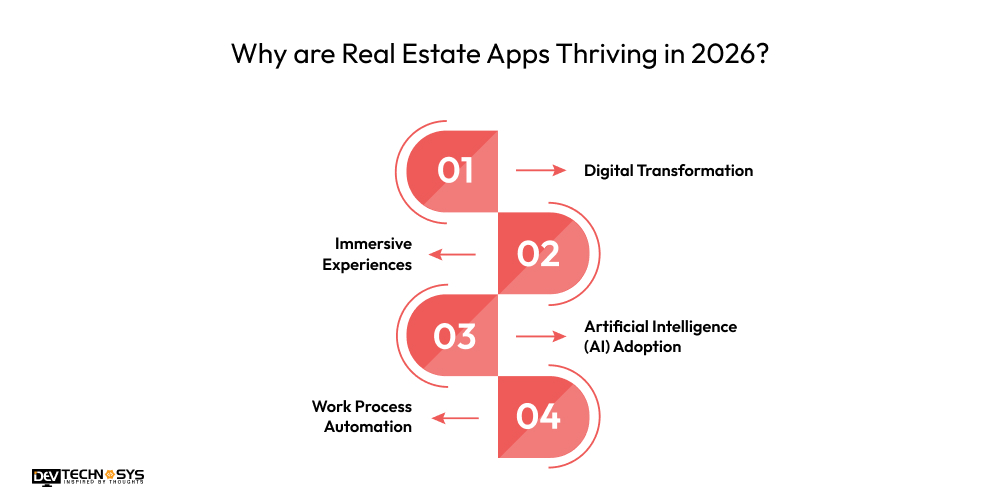
1. Digital Transformation
Use of digital real estate app solutions helps businesses in streamlining operations, reducing manual load, and enhancing customer experiences. Mobile web app development with advanced digital solutions helps automate listings, inquiries, scheduling, documentation, and communication, making property transactions faster and more efficient.
2. Immersive Experiences
Modern consumers expect interactive and immersive property exploration. Features like virtual reality (VR) tours and augmented reality (AR) previews allow users to view properties remotely, visualize interiors, and conduct in-depth due diligence, saving time and accelerating decision-making.
3. Artificial Intelligence (AI) Adoption
AI is transforming the real estate app development industry by involving advanced technology like predictive analytics, brilliant pricing insights, and personalized property recommendations. Popular property apps in the market include AI-powered chatbots and virtual assistants to deliver instant customer support, boosting user engagement and overall satisfaction.
4. Work Process Automation
Advanced technologies are used in property auction apps to automate workflows, including document verification, contract management, payments, and compliance checks.
The cross platform app development with work process automation minimizes human effort, reduces errors, and speeds up transactions, fundamentally changing how users interact with real estate platforms.
What Types of Real Estate Apps are There to Explore in 2026?
Wondering what different types of real estate apps are ther to explore? If you are a business wanting to build a real estate app, then having knowledge of the various emerging real estate app types is essential. No, let’s look at the real estate app types in detail:
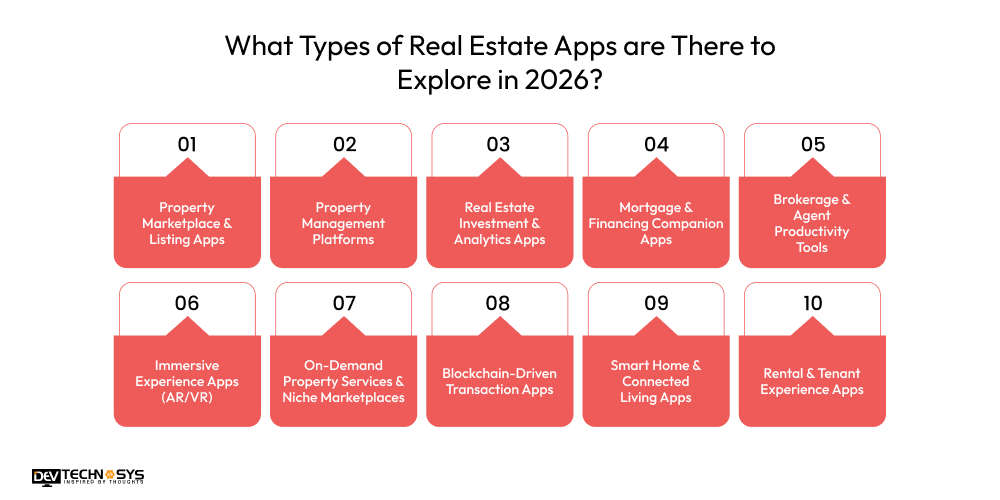
1. Property Marketplace & Listing Apps
Zillow, Realtor.com, and Trulia are some of the most widely popular real estate mobile application types. They act as all-in-one platforms where users can buy, sell, or rent properties using advanced search filters, interactive maps, and rich neighborhood insights.
In 2026, the cross-platform app development for real estate will be done with the help of AI-powered personalized recommendations, intelligent alerts, and automated property valuations, such as Zestimate, to guide user decisions.
Key Highlights:
- Advanced property search filters
- Interactive maps
- AI-powered recommendations
- Automated property valuations
- Neighborhood insights and virtual tours
Popular Examples: Zillow and Realtor.com
2. Property Management Platforms
These real estate app types are created for landlords, property managers, and tenants, helping them with the daily operations. It may include automated rent collection, maintenance request tracking, lease management, and secure in-app communication. Modern real-estate platforms use IoT sensors for energy optimization, innovative building management, and predictive maintenance.
Key Highlights:
- Automated rent collection
- Lease management
- RESTful API integration
- Maintenance tracking
- Tenant communication
- IoT-enabled smart building management
- Predictive maintenance
Popular Examples: Buildium, AppFolio, Yardi
3. Real Estate Investment & Analytics Apps
Creating real estate on demand app development solutions by using big data, AI, and predictive analytics helps investors discover high-return opportunities, analyze risks, forecast market trends, and calculate ROI.
Types of real estate apps for startups now support real estate crowdfunding and fractional ownership. It makes investing in properties more accessible to a broader audience.
Key Highlights:
- Predictive analytics
- FinTech mortgage integration
- ROI calculations
- Market forecasting
- Risk analysis
- Crowdfunding
- Fractional property ownership
Popular Examples: Roofstock, Fundrise, RealtyMogul

4. Mortgage & Financing Companion Apps
Designed to simplify the home financing journey, proptech marketplace apps provide mortgage calculators, loan comparisons, and digital pre-approval workflows. In 2026, there are various emerging real estate app types that offer deeper integration with banks, NBFCs, and fintech providers.
The real estate marketplace apps enable instant eligibility checks, faster approvals, and smoother financial decision-making directly within the property search experience.
Key Highlights:
- Mortgage calculators
- Loan comparison tools
- Affordability assessments
- Digital pre-approvals
- Fintech integrations
Popular Examples: LendingTree, Rocket Mortgage, Bankrate
5. Brokerage & Agent Productivity Tools
These real estate application types are explicitly built for real estate professionals. Top real estate apps streamline daily operations with advanced CRM systems, lead generation and nurturing tools, transaction management, and marketing automation. They help agents manage prospects efficiently, close deals faster, improve follow-ups, and build strong, long-term customer relationships at scale.
Key Highlights:
- CRM systems
- Lead management
- Transaction tracking
- Marketing automation
- Performance analytics
Popular Examples: kvCORE, BoomTown, Follow Up Boss
6. Immersive Experience Apps (AR/VR)
Focused on next-generation property visualization, AR and VR apps enable users to explore homes through immersive 3D virtual tours from anywhere in the world.
Augmented reality features of real estate applications allow buyers to stage empty rooms virtually, experiment with furniture layouts, preview renovation possibilities, evaluate spatial design, and make more confident, informed purchase decisions.
Key Highlights:
- 3D virtual tours
- AR-based home staging
- renovation visualization
- Remote property walkthroughs.
Popular Examples: Matterport, Zillow 3D Home, Magicplan
7. On-Demand Property Services & Niche Marketplaces
This real estate app classification covers platforms that connect users with contractors, interior designers, and home improvement professionals (e.g., Houzz). It also covers niche platforms for land data, open house management, sustainable housing, or co-living spaces.
These apps address specific real estate needs beyond traditional buying and selling. When it comes to the top real estate apps examples in 2026 that utilize the power of blockchain, Houzz and LandGlide takes the top seat.
Key Highlights:
- Access to contractors
- Interior designers
- Home improvement services,
- Microservices architecture
- Land data
- Open house tools
- Niche housing markets.
Popular Examples: Houzz, Thumbtack, LandGlide
8. Blockchain-Driven Transaction Apps
An emerging but fast-growing category, these real estate crowdfunding platforms use blockchain and smart contracts to enable secure, transparent, and tamper-proof property transactions.
Blockchain-driven transaction apps improve the real estate app ecosystem by reducing fraud, paperwork, and manual verification. Blockchain-based platforms are redefining trust and efficiency in real estate deals.
Key Highlights:
- Smart contracts
- Secure digital identities
- Transparent transactions
- Reduced fraud
- Faster property closings
Popular Examples: Propy, RealT, ShelterZoom
9. Smart Home & Connected Living Apps
According to the top mobile app development company, the smart home property buying and selling apps integrate smart home technologies into real estate platforms, allowing users to manage security systems, lighting, climate control, and energy usage directly from their devices.
For buyers and renters, smart home compatibility is becoming a key decision factor. At the same time, property owners benefit from improved energy efficiency, remote monitoring, and enhanced property value.
Key Highlights:
- Integration with IoT devices
- Remote control of home systems
- Energy monitoring,
- Security management
- Automation.
Popular Examples: Google Home, Amazon Alexa, Apple HomeKit
10. Rental & Tenant Experience Apps
Focused on improving the renter journey, these apps offer features like digital onboarding, rent reminders, community announcements, amenity booking, issue reporting, and feedback systems.
By prioritizing tenant engagement and convenience, these platforms help property managers reduce churn and build stronger, long-term tenant relationships.
Key Highlights:
- Digital tenant onboarding
- Online rent payments and payment history tracking
- Easy maintenance request submission
- In-app communication between tenants
- Amenity booking and event notifications
- Feedback systems and issue resolution tracking
Popular Examples: Zillow Rental Manager, RentRedi, Buildium
Want a chatbot demo or pricing? Fill the form and talk to our experts today.
Pick what you need below — you can select more than one — then tap Get detail to continue.
-
Chatbot demo dashboard
-
Cost to develop an app
-
Industry report
-
Case study
What are the Latest Technology Trends In Real Estate Apps?
Now, we cannot wrap up without discussing the latest technology trends in real estate apps. From AI to AR and VR, these trends play a crucial role in shaping the future of real estate applications and enhancing user experience.
1. Artificial Intelligence (AI) & Machine Learning (ML)
AI and ML are increasingly used in real estate marketplace apps for predictive analytics, personalized property recommendations, automated lead management, virtual assistants or chatbots, and analyzing market trends. AI powered real estate apps helps buyers, sellers, and agents make smarter decisions.
2. Internet of Things (IoT) & Smart Homes
Integration with IoT devices enables real-time monitoring of smart home features such as climate control, lighting, security systems, and energy usage. This data-driven functionality appeals to modern buyers seeking convenience and efficiency.
3. Blockchain
Blockchain technology ensures secure and transparent property transactions. Smart contracts automate agreements, reduce fraud, and simplify the transfer of property ownership while maintaining a verifiable transaction history.
4. Digital Twins
AI-powered digital replicas of properties allow detailed simulations, structural analysis, and predictive modeling. These virtual twins help buyers, developers, and architects make informed design and investment decisions.
5. Mobile-First & Voice Search
Prioritizing mobile usability ensures seamless access to property listings and tools. Voice search integration further enhances user experience, allowing potential buyers to search for properties hands-free using natural language commands.
6. Personalization
Hyper-targeted content is delivered based on user behavior, search history, preferences, and location. Personalized recommendations in a real estate app improves engagement, retention, and overall app effectiveness.
7. ESG & Green Tech
Real estate apps increasingly highlight sustainable building technologies, energy efficiency, and environmentally friendly property features, catering to buyers who prioritize green living and corporate ESG goals.
What is the Future of Real Estate Mobile Apps?
The future of real estate mobile apps is set to be smarter, more immersive, and deeply integrated into everyday decision-making. As digital adoption accelerates in 2026 and beyond, these apps will evolve from simple listing platforms into full-scale, intelligent real estate ecosystems. Key emerging real estate trends:
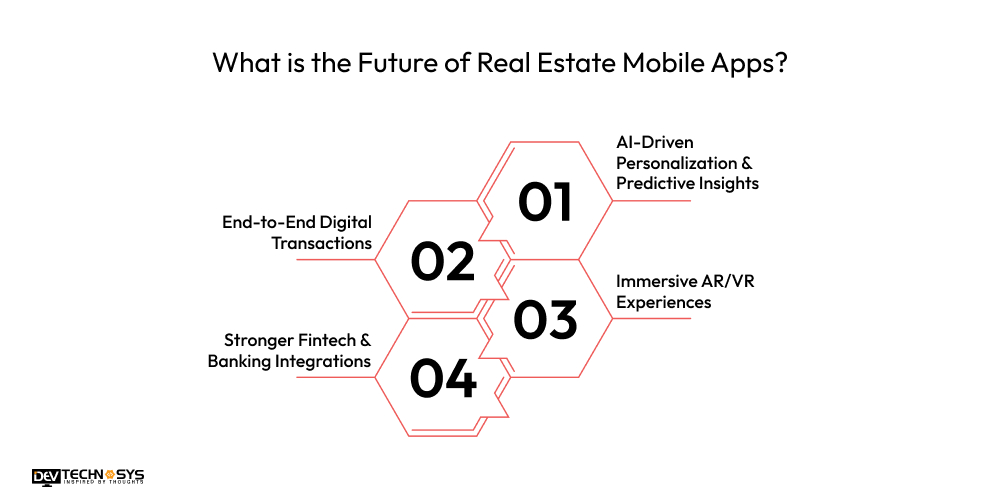
1. AI-Driven Personalization & Predictive Insights
One of the top real estate app market trends 2026 is artificial intelligence integration. AI improves hyper-personalized property recommendations, dynamic pricing models, and predictive market forecasts. All you need to do is choose the right real estate app development company to add these AI-driven personalization and property recommendations.
2. End-to-End Digital Transactions
Ther are various real estate mobile application types for realtors that will support the entire transaction lifecycle, from property discovery and virtual tours to digital documentation, e-signatures, payments, and ownership transfers. Blockchain and smart contracts reduce closing times while improving security standards, transparency, and user trust.
3. Immersive AR/VR Experiences
According to experts who provide real estate app development services, the AR and VR technologies will become standard features, enabling realistic virtual property tours, AR-based staging, renovation previews, and remote inspections. Incorporating AR/VR into a mobile app significantly reduces the need for in-person visits and accelerates purchase decisions.
AR and VR technologies will become standard features, enabling lifelike virtual property tours, AR-based staging, renovation previews, and remote inspections. This will significantly reduce the need for physical visits and accelerate purchase decisions.
4. Stronger Fintech & Banking Integrations
Deeper integration with banks, NBFCs, and fintech platforms will enable instant loan eligibility checks, digital mortgage approvals, and embedded financial services—making property financing faster and more accessible within apps.
How Dev Technosys Will Help?
In 2026, real estate apps have evolved far beyond basic property listings to become intelligent, end-to-end digital ecosystems. These diverse property listing apps are transforming how people search, evaluate, finance, manage, and experience properties, offering greater transparency, efficiency, and personalization.
If you are a business wanting to develop your own real estate app, then contact Dev Technosys, a leading real estate app development company. Stay tuned for more informative details.
Frequently Asked Questions
Find answers to the most common questions related to this article.
The most popular types include property marketplace and listing apps, property management platforms, real estate investment and analytics apps, mortgage and financing companion apps, brokerage and agent productivity tools, AR/VR-based immersive experience apps, smart home apps, and rental & tenant experience platforms.
AI-powered apps deliver personalized property recommendations, predictive pricing models, automated valuations, intelligent chatbots, and real-time market insights, enabling faster, smarter, and more accurate property discovery and decision-making.
AR and VR apps enable immersive 3D property tours, virtual staging, and renovation previews, allowing users to explore properties remotely and make confident, informed decisions without frequent physical visits.
Property management apps streamline rent collection, lease administration, maintenance tracking, tenant communication, and intelligent building monitoring, significantly improving operational efficiency and tenant satisfaction.
Yes, modern real estate investment apps use secure payment gateways, advanced data encryption, regulatory compliance checks, and intelligent analytics to help users assess risks and invest confidently in property opportunities.